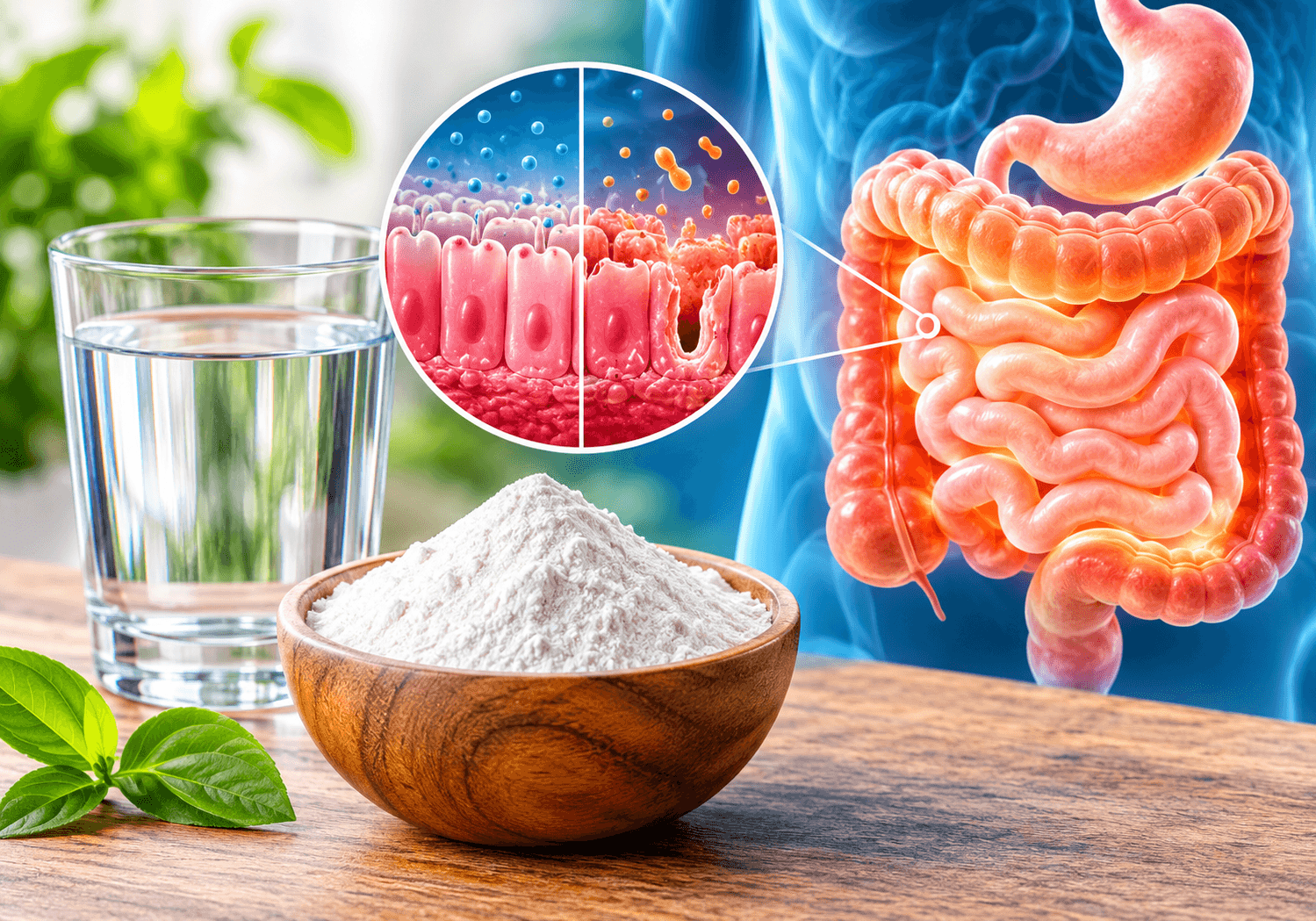
How Does L-Glutamine Support Gut Lining Repair? A Coach’s Evidence-Based Guide
When athletes push through heavy training blocks, intense cardio, or strict dieting phases, digestive discomfort often shows up uninvited. Bloating, cramping, and sluggish nutrient absorption can derail your progress faster than a missed workout. Understanding how does l-glutamine support gut lining repair gives you a practical tool to protect your digestive tract while keeping your training and nutrition on track.
Before adding any new supplement to your daily routine, check with a doctor, registered dietitian, or physical therapist to ensure it fits your specific health profile.
Quick Answer: L-glutamine is the primary fuel source for enterocytes, the specialized cells lining your small intestine. Research indicates it supports gut lining repair by stimulating cell proliferation, reinforcing tight junction proteins like occludin and claudin, and reducing oxidative stress, which helps maintain a strong intestinal barrier against unwanted particles.
The Science Behind L-Glutamine and Your Intestinal Barrier
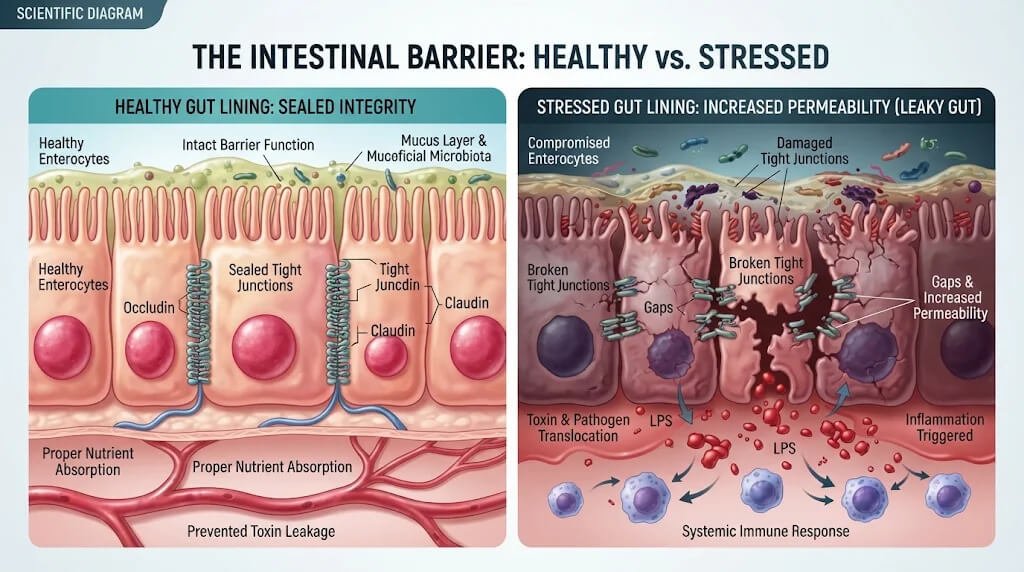
Your digestive tract is lined by a single layer of specialized epithelial cells called enterocytes. This delicate barrier performs two massive jobs at the exact same time: it absorbs vital nutrients from your food while blocking harmful bacteria, toxins, and undigested food particles from entering your bloodstream.
L-glutamine is the most abundant free amino acid in your bloodstream and muscle tissue. While your body produces it naturally—making it a “conditionally essential” amino acid—intense physical stress, illness, or heavy exercise can deplete your stores faster than you can replenish them. According to research published via the National Center for Biotechnology Information (NCBI), enterocytes rely heavily on glutamine rather than glucose as their preferred energy source to maintain normal function and turnover.
Fueling Enterocyte Regeneration
Your intestinal lining turns over rapidly, replacing itself roughly every three to five days. This constant rebuilding requires a steady supply of cellular energy and nitrogen. L-glutamine supplies both carbon and nitrogen atoms needed to synthesize new DNA, RNA, and structural proteins inside rapidly dividing gut cells.
When circulating glutamine levels drop due to heavy physical exertion or caloric restriction, enterocyte renewal slows down. Keeping glutamine available ensures these cells have the raw fuel required to patch micro-damage before it turns into widespread digestive irritation.
Reinforcing Tight Junction Proteins
Between each enterocyte sits a microscopic gatekeeper known as a tight junction. These protein complexes—primarily composed of occludin, claudin, and zonula occludens—act like heavy-duty Velcro holding adjacent gut cells tightly together.
When tight junctions loosen, a condition clinically referred to as increased intestinal permeability occurs. Studies indexed on PubMed demonstrate that L-glutamine helps regulate the expression and assembly of these tight junction proteins. By keeping these cellular gates securely fastened, glutamine helps preserve the structural integrity of the mucosal barrier.
Supporting Mucin and Glutathione Production
Beyond direct cellular repair, L-glutamine plays two critical supporting roles in digestive defense:
- Mucin Synthesis: Your gut wall is coated in a protective layer of mucus made from glycoproteins called mucins. Glutamine provides the glucosamine precursors necessary for goblet cells to produce this protective slime layer, shielding enterocytes from stomach acid and digestive enzymes.
- Antioxidant Defense: Glutamine is one of three amino acids required to synthesize glutathione, your body’s master intracellular antioxidant. High glutathione levels neutralize free radicals generated during digestion and intense workouts, protecting delicate intestinal tissue from oxidative damage.
Why Active Adults and Athletes Face Extra Gut Stress
You do not need to have a diagnosed digestive disorder to experience gut barrier stress. In strength and endurance coaching, gastrointestinal distress is one of the most common hurdles athletes face during peak training cycles.
When you lift heavy weights or run at high intensities, your nervous system redirects blood flow away from your stomach and intestines to supply your working muscles and skin. This temporary drop in splanchnic blood flow deprives enterocytes of oxygen and nutrients. Combine that with elevated core body temperatures and mechanical jostling during high-impact movement, and tight junctions temporarily loosen.
| Training Stressor | Physiological Effect on the Gut | Practical Impact on Performance |
| Long-Distance Running (6+ miles / 9.6+ km) | Reduced intestinal blood flow and mechanical bouncing | Mid-run cramping, urgency, and post-run nausea |
| Heavy Resistance Training | High intra-abdominal pressure and elevated cortisol | Temporary bloating and slower post-workout nutrient uptake |
| Aggressive Calorie Deficits | Lower overall amino acid intake and elevated stress hormones | Sluggish digestion, constipation, and weakened mucosal defense |
| Frequent NSAID Use | Direct irritation of the stomach and small intestine lining | Increased intestinal permeability and stomach discomfort |
Supporting your gut barrier during demanding training blocks helps ensure that the high-protein meals and supplements you consume actually get absorbed and put to work repairing muscle tissue. If you are tracking your daily macronutrients, ensuring adequate protein intake for metabolism and recovery lays the foundation before adding targeted single amino acids.
Coach’s Tip: Treat your digestive tract like a muscle group that needs recovery. If you notice persistent bloating after high-volume leg days or long tempo runs, look at your hydration, electrolyte balance, and amino acid intake around those sessions rather than simply cutting out healthy foods.
What the Research Says About L-Glutamine for Gut Repair
Scientific interest in how does l-glutamine support gut lining repair spans decades, moving from clinical hospital nutrition into sports science and everyday wellness. While results depend heavily on dosage, duration, and the underlying cause of gut stress, human clinical trials highlight several clear patterns.
Exercise-Induced Intestinal Permeability
Sports scientists have tested L-glutamine extensively in endurance athletes exercising in hot environments—a combination guaranteed to stress the gut barrier. Research published in the European Journal of Applied Physiology via PubMed found that short-term oral L-glutamine supplementation significantly reduced markers of intestinal permeability following strenuous treadmill running compared to a placebo.
In these protocols, athletes taking glutamine showed lower levels of endotoxins crossing from the gut into the bloodstream. This suggests that pre-loading with glutamine before brutal conditioning sessions may help buffer the intestinal wall against heat and blood-flow deprivation.
Clinical Gut Barrier Support
In clinical settings, researchers have examined glutamine’s role in supporting patients recovering from gastrointestinal stress, infections, and irritable bowel symptoms. A randomized controlled trial available through PMC (National Institutes of Health) evaluated daily L-glutamine supplementation in individuals experiencing post-infectious intestinal hyperpermeability. Participants taking 15 grams per day (split into three 5-gram doses) experienced significant improvements in intestinal barrier function and daily digestive comfort compared to the placebo group.
However, researchers also note that glutamine is not a magic cure-all. If someone continues eating foods that trigger severe intolerance, overtrains without rest days, or sleeps four hours a night, no single amino acid can outwork ongoing daily damage.
Practical Application: Dosing, Timing, and Forms
When coaching clients on supplement protocols, simplicity and consistency always beat overly complicated schedules. To get meaningful support for your intestinal lining, you need to match the form and dose to your daily routine.
Choosing Between Powder and Capsules
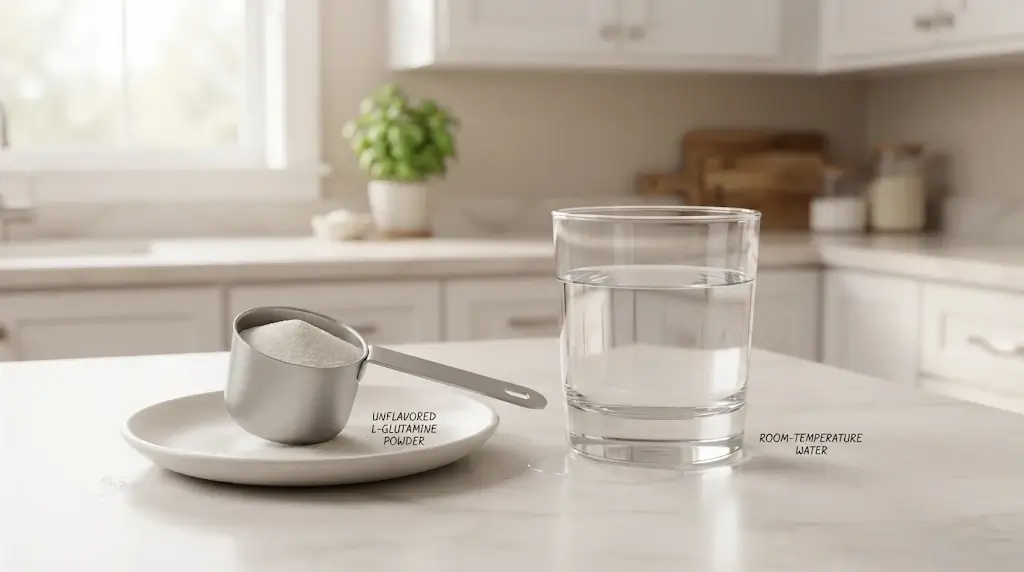
L-glutamine is widely available as a loose micronized powder or in encapsulated form. For gut lining support, unflavored powder is almost always the better choice.
- Direct Contact and Higher Doses: Clinical studies supporting gut barrier integrity typically use between 5 grams and 15 grams daily. Reaching 10 grams using standard 500 mg or 1,000 mg capsules requires swallowing 10 to 20 pills a day. One to two level scoops of powder handles that easily.
- Cost Efficiency: Bulk L-glutamine powder costs significantly less per gram than encapsulated products.
- Mixability: Pure L-glutamine has a mild, slightly sweet or neutral taste and dissolves cleanly in plain water without grit.
Optimal Dosing Protocol by Goal
Your ideal daily intake depends on your body size, training volume, and current digestive stress. Always start on the lower end for the first three to four days to assess how your stomach responds before increasing your intake.
| Goal / Activity Level | Daily Dosage Range | Timing Strategy | Duration |
| General Digestive Maintenance | 5 grams once daily | First thing in the morning on an empty stomach | Ongoing or as needed |
| Active Lifters & Moderate Cardio | 5 to 10 grams daily (split into 1–2 doses) | 5 g upon waking; 5 g post-workout | 4 to 8 weeks during heavy training |
| Endurance Athletes / High Gut Stress | 10 to 15 grams daily (split into 2–3 doses) | 5 g morning, 5 g 60 minutes pre-run, 5 g before bed | 4 to 8 weeks during peak volume |
How to Take It Correctly
Temperature matters when mixing amino acids. Mix your L-glutamine powder into cold or room-temperature water. Never stir it into hot coffee, boiling tea, or hot oatmeal, as high heat can degrade free-form glutamine into pyroglutamate and ammonia, rendering it far less effective for intestinal cells.
Taking your dose 20 to 30 minutes before a meal allows the amino acid to pass quickly through the stomach and bathe the enterocytes of the small intestine directly without competing with a heavy load of digested food proteins.
Common Mistake: Mixing L-glutamine powder into a hot morning beverage or baking it into protein oats. High temperatures break down the delicate amino acid structure. Always use cool or room-temperature liquids and drink it within 15 minutes of mixing.
Pairing L-Glutamine With Whole Foods and Complementary Nutrients
Supplements work best when they reinforce a smart nutrition foundation. If your daily diet lacks fiber, minerals, and complete proteins, isolated glutamine will only take you so far.
Whole-Food Sources of Glutamine
You already consume bound glutamine whenever you eat protein-rich foods. Including these staples in your weekly meal prep provides a steady baseline of amino acids alongside essential vitamins and minerals:
- Grass-Fed Beef and Poultry: A 6 oz (170 g) serving of cooked chicken breast or lean beef delivers roughly 4 to 5 grams of naturally occurring glutamic acid and glutamine.
- Eggs and Dairy: Cottage cheese, Greek yogurt, and whole eggs offer highly bioavailable dairy and egg proteins rich in glutamine precursors.
- Bone Broth: Slow-simmered beef or chicken bone broth provides gelatin, glycine, and glutamine in an easy-to-digest liquid form.
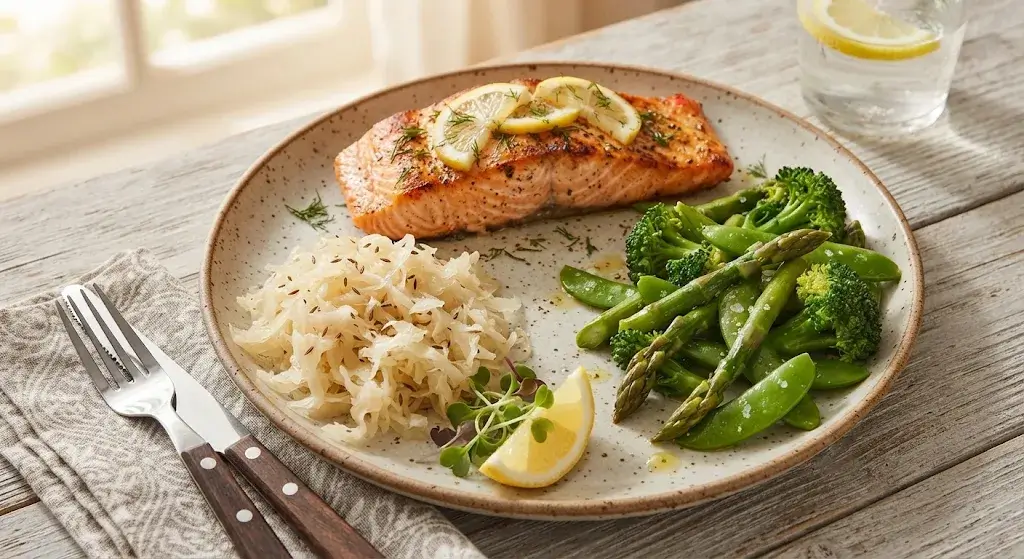
- Plant Sources: Raw red cabbage, parsley, spinach, and tofu contain respectable amounts of plant-based glutamine. (Note that cooking cabbage destroys much of its free glutamine, so raw slaw or fermented sauerkraut works best).
Smart Nutrient Pairings for Gut Recovery
In practice, combining L-glutamine with two or three complementary gut-supportive nutrients often yields better results than taking massive doses of glutamine alone:
- Dietary Fiber and Prebiotics: Beneficial gut bacteria ferment soluble fiber into short-chain fatty acids like butyrate, which serves as the primary fuel for cells in your large intestine (colonocytes)—working alongside glutamine, which fuels your small intestine. Learning how dietary fiber supports digestive health helps you balance both ends of your digestive tract.
- Probiotics: Introducing beneficial bacterial strains helps crowd out unwanted microbes while glutamine strengthens the physical wall underneath them. Exploring how probiotics support digestion and metabolism can help you pick a strain that matches your needs.
- Collagen Peptides: Collagen supplies high amounts of glycine and proline, two structural amino acids that complement glutamine’s role in connective tissue and mucosal repair. Check out our guide on how to take collagen powder for absorption to see how it fits into a daily shake.
- Zinc Carnosine: This chelated mineral compound has been studied for its ability to adhere to the stomach and small intestinal lining, working alongside glutamine to stabilize mucosal integrity.
Lifestyle Habits That Protect Your Gut Lining
Even the highest-quality L-glutamine powder cannot compensate for daily habits that tear down your intestinal barrier. If you want lasting digestive comfort and strong nutrient absorption, pair your supplement routine with these foundational coaching habits:
- Manage Training Volume and Recovery: Chronic overreaching spikes cortisol, which directly weakens tight junction proteins. Schedule at least one to two full rest or active recovery days per week, and keep low-intensity walks to 2 to 3 miles (3.2 to 4.8 km) on recovery days to promote gentle blood flow without spiking stress hormones.
- Prioritize Deep Sleep: Your digestive tract performs its heaviest cellular repair while you sleep. Poor sleep disrupts gut motility and alters your microbiome within days. Read more about how sleep affects metabolism and recovery to lock in your nighttime routine.
- Chew Your Food Thoroughly: Digestion starts in your mouth. Rushing through meals leaves large food particles for your stomach and small intestine to break down, increasing fermentation, gas, and mechanical irritation.
- Limit Alcohol and Unnecessary NSAIDs: Both alcohol and over-the-counter pain relievers like ibuprofen directly irritate the mucosal lining and loosen tight junctions. Save pain relievers for genuine medical needs rather than routine post-workout soreness.
- Audit Your Supplement Stack: Artificial sweeteners, sugar alcohols (like sorbitol and xylitol), and harsh stimulant fat burners often trigger bloating and cramping. Understanding how to evaluate supplement ingredients helps you spot hidden gut irritants on nutrition labels.
Safety, Side Effects, and Who Should Be Careful
For healthy adults, oral L-glutamine is generally well tolerated at doses up to 15 to 20 grams per day. According to clinical safety reviews indexed by the National Institutes of Health (NIH), short- and medium-term supplementation rarely causes serious adverse effects in healthy populations.
Still, mild side effects can happen, especially if you jump straight into high doses:
- Mild Digestive Changes: Taking 10+ grams in a single sitting may cause temporary gas, mild bloating, or loose stools as your gut adjusts. Splitting your intake into smaller 5-gram servings prevents this issue.
- Sensory Sensitivity: A small percentage of people report mild headaches or restlessness when starting free-form amino acids.
Who Should Avoid or Consult a Doctor First
Certain individuals should exercise caution and speak with a physician before supplementing with L-glutamine:
- Kidney or Liver Conditions: Because glutamine carries nitrogen and is metabolized into ammonia and urea, impaired liver or kidney function can make clearing nitrogen byproducts difficult.
- History of Seizures or Bipolar Disorder: Glutamine converts into glutamate—an excitatory neurotransmitter—in the brain. Individuals sensitive to glutamate fluctuations or taking anti-seizure medications must consult their neurologist or psychiatrist first.
- Active Cancer Treatment: Rapidly dividing cells consume glutamine as a fuel source. Anyone undergoing oncology care should strictly follow their oncologist’s guidance regarding amino acid supplements.
- Pregnancy and Breastfeeding: There is insufficient long-term safety data on high-dose isolated L-glutamine supplementation during pregnancy or nursing, so stick to whole-food protein sources unless cleared by your OB-GYN.
When shopping for a product, look for third-party testing seals such as USP, NSF Certified for Sport, or Informed-Choice. These certifications verify that the powder contains pure L-glutamine without heavy metals, undeclared fillers, or banned athletic substances. For broader context on selecting clean, effective products, review our guide on which supplements support wellness safely.
Frequently Asked Questions
How much L-glutamine should I take for gut lining repair?
Most clinical research supporting intestinal barrier integrity uses between 5 grams and 15 grams per day. Beginners should start with 5 grams mixed in cool water each morning for one week, then increase to 5 grams twice daily if needed for heavy training or persistent digestive stress.
How long does L-glutamine take to heal the gut lining?
While your intestinal cells regenerate every three to five days, noticeable improvements in bloating, regularity, and food tolerance typically take two to four weeks of consistent daily use. Clinical trials evaluating intestinal permeability generally run for four to eight weeks alongside supportive dietary habits.
Can L-glutamine help exercise-induced gut permeability?
Yes, sports nutrition studies show that taking L-glutamine before strenuous endurance exercise—especially in warm conditions—can reduce markers of intestinal permeability. Providing enterocytes with extra fuel helps counteract the temporary drop in gut blood flow that occurs when blood is routed to working muscles.
Is L-glutamine powder better than capsules for digestion?
Unflavored L-glutamine powder is generally better than capsules for gut support. Reaching an effective 5-to-10-gram daily dose requires swallowing up to 10 or 20 large capsules, whereas powder dissolves easily in room-temperature water, costs less per serving, and directly bathes the upper digestive tract.
When is the best time to take L-glutamine for gut health?
The best time to take L-glutamine is on an empty stomach, roughly 20 to 30 minutes before breakfast or immediately after a workout. Taking it away from heavy protein meals prevents competition with other amino acids during absorption and allows faster delivery to intestinal cells.
Does L-glutamine cause digestive side effects?
L-glutamine is gentle for most healthy adults, though taking large doses of 10 grams or more at once can occasionally cause mild gas, rumbling, or loose stools. Splitting your daily intake into two smaller 5-gram servings mixed in cool water usually prevents stomach upset.
Conclusion
Understanding how does l-glutamine support gut lining repair comes down to basic cellular biology: your intestinal cells work around the clock to absorb nutrients and block irritants, and glutamine is their favorite fuel. By energizing enterocyte turnover, reinforcing tight junction proteins, and supporting protective mucus and antioxidant defenses, L-glutamine offers practical nutritional support—especially for active adults, lifters, and endurance athletes putting extra mileage on their bodies.
For best results, pair 5 to 10 grams of third-party-tested L-glutamine powder in cool water with whole-food proteins, soluble fiber, adequate sleep, and smart training recovery. If you experience ongoing abdominal pain, unexplained weight loss, or severe digestive changes, consult a healthcare professional for a proper evaluation.