
Apigenin Sleep Benefits and Optimal Dosage: A Coach’s Evidence-Based Guide
If you are struggling to wind down after intense training, understanding apigenin sleep benefits and optimal dosage can be a game-changer for your recovery. As a strength and conditioning coach, I see athletes and fitness enthusiasts sabotage their hard-earned gains not in the gym, but in their bedroom. Muscle protein synthesis, central nervous system (CNS) recovery, and hormonal balance all depend heavily on deep, restorative rest.
While many turn to heavy over-the-counter sedatives, natural flavonoids offer a smarter, safer alternative. Apigenin, a bioactive compound found prominently in chamomile, has gained significant attention in sports science and biohacking communities. It provides a gentle, non-habit-forming pathway to better sleep. This guide breaks down the exact science, the proven benefits, and the precise protocols you need to optimize your nightly recovery.
Quick Answer
Apigenin is a natural flavonoid found in chamomile that promotes relaxation by binding to GABA receptors in the brain. The optimal dosage for sleep is typically 50 mg taken 30 to 60 minutes before bedtime. It helps reduce sleep latency and improves overall sleep quality without causing morning grogginess or dependency.
Understanding Apigenin Sleep Benefits and Optimal Dosage
To use any tool effectively, you must understand how it works. Apigenin is a naturally occurring flavonoid, a type of phytochemical responsible for the vibrant colors in many plants. It is most famously concentrated in dried chamomile flowers, but it is also present in parsley, celery, thyme, and oregano.
Unlike synthetic sleep medications that forcefully depress the central nervous system, apigenin works through subtle modulation. Research published in the Journal of Ethnopharmacology notes that apigenin binds to benzodiazepine receptors within the GABA-A complex in the brain. GABA (gamma-aminobutyric acid) is the primary inhibitory neurotransmitter in the nervous system.
When GABA activity increases, neuronal excitability decreases. This translates to a tangible feeling of physical and mental calm. Because apigenin only partially activates these receptors, it promotes relaxation and sleep onset without the heavy sedation, tolerance buildup, or withdrawal symptoms associated with prescription sleep aids.
The Science-Backed Apigenin Sleep Benefits
Integrating this flavonoid into your nightly routine offers multiple, research-supported advantages for recovery and overall health.
1. Reduces Sleep Latency
Sleep latency is the time it takes to transition from full wakefulness to sleep. High stress or late-night training can keep your CNS in a state of hyperarousal. A study highlighted in Phytomedicine demonstrated that chamomile extract, standardized for apigenin, significantly reduced the time it took for participants to fall asleep compared to a placebo.
2. Enhances Sleep Architecture
Quality sleep is not just about total hours; it is about the cycles. Deep slow-wave sleep (SWS) and REM sleep are critical for physical repair and cognitive processing. Evidence suggests that by calming neural hyperactivity, apigenin helps maintain stable sleep architecture, reducing nighttime awakenings and promoting more continuous rest.
3. Lowers Nighttime Anxiety and Cortisol
Evening anxiety is a primary barrier to sleep. Apigenin exhibits notable anxiolytic (anti-anxiety) properties. According to the National Institutes of Health, apigenin demonstrates neuroprotective and anti-inflammatory effects that help modulate the body’s stress response, indirectly supporting healthier nighttime cortisol levels.
4. Supports Long-Term Cellular Health
Beyond sleep, this flavonoid acts as a potent antioxidant. It helps neutralize free radicals generated during intense physical training. This dual action makes it a highly efficient recovery tool for athletes who need both neurological calm and cellular repair.

Apigenin Optimal Dosage and Timing Protocols
Getting the dose right is critical. Too little may yield no noticeable effect, while too much is a waste of money and could increase the risk of mild gastrointestinal discomfort.
The Standard Dosage
The consensus among functional medicine practitioners and sleep researchers is that 50 mg of apigenin is the optimal dose for promoting sleep. This amount is typically enough to cross the blood-brain barrier and exert a calming effect on GABA receptors without causing next-day grogginess.
Bioavailability Considerations
Apigenin has relatively low natural bioavailability, meaning your body does not absorb 100% of what you ingest. To maximize absorption:
- Take it with a small amount of dietary fat (e.g., a few almonds or a spoonful of nut butter).
- Choose a supplement that uses micronized or liposomal delivery systems if available, as these enhance absorption rates.
Timing Your Intake
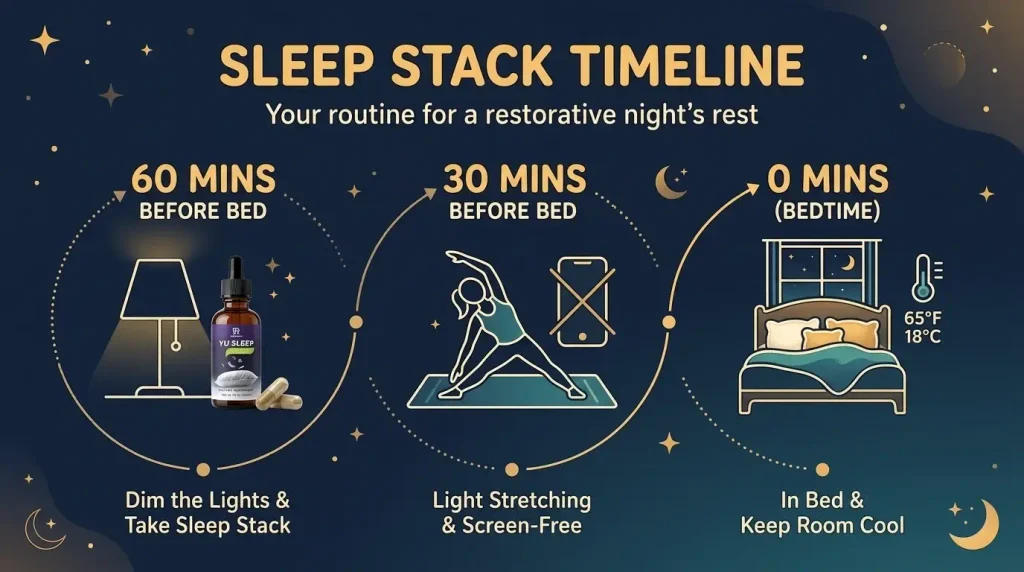
Timing is everything for sleep hygiene. Take your apigenin supplement 30 to 60 minutes before your target bedtime. This allows the compound to digest, enter the bloodstream, and begin modulating your nervous system right as you are attempting to wind down.
| Goal | Recommended Dosage | Timing | Best Paired With |
| Mild Relaxation | 25 mg | 45 mins before bed | Chamomile tea |
| Optimal Sleep Onset | 50 mg | 30-60 mins before bed | Magnesium glycinate, L-theanine |
| High Stress / Travel | 50 mg | 60 mins before bed | Magnesium glycinate, L-theanine, cool room |
How to Apply Apigenin Sleep Benefits and Optimal Dosage in Your Routine
As a coach, I do not believe in relying on supplements alone. Supplements are the final 10% of the puzzle. The other 90% is your environment and behavior. Here is how to build a comprehensive evening protocol.
The “Coach’s Recovery Stack”
For clients struggling with sleep, I recommend a synergistic, evidence-based trio. This stack targets multiple pathways of sleep disruption simultaneously:
- Magnesium Glycinate (200–400 mg): Supports muscle relaxation and nervous system calm. Glycinate is preferred over citrate or oxide due to its superior absorption and lack of laxative effects.
- L-Theanine (100–200 mg): An amino acid found in green tea that promotes alpha brain wave activity, quieting racing thoughts without sedation.
- Apigenin (50 mg): The anchor compound that gently activates GABA receptors to initiate sleep onset.
Coach’s Tip:
Consistency is more important than perfection. Take your sleep stack at the exact same time every night, even on weekends. This trains your circadian rhythm to anticipate rest, making the supplements more effective over time.
Environmental and Behavioral Triggers
Supplements cannot override a poor environment. Implement these non-negotiable habits:
- Light Exposure: Dim all overhead lights 60 minutes before bed. Avoid screens, or use blue-light-blocking glasses. Morning light is equally critical; aim for a 15-minute walk covering 1.5 miles (2.4 km) in natural sunlight within an hour of waking to set your circadian clock.
- Temperature Control: Your core body temperature must drop to initiate sleep. Keep your bedroom cool, ideally around 65°F (18°C).
- Sleep Surface: Ensure your mattress provides adequate support. A mattress with at least 10 inches (25 cm) of high-density foam or quality pocketed coils will properly align your spine and reduce physical tossing and turning.
Common Mistake:
Taking sleep supplements after eating a massive, heavy meal or consuming alcohol. Alcohol severely fragments REM sleep, and heavy digestion raises core body temperature, directly counteracting the calming effects of apigenin and magnesium.
Safety Notes and Potential Interactions
While apigenin is generally recognized as safe, responsible supplementation requires awareness of potential interactions.
Apigenin can inhibit certain enzymes in the cytochrome P450 family in the liver, specifically CYP3A4 and CYP2C9. These enzymes are responsible for metabolizing many common prescription medications, including blood thinners, certain antidepressants, and some blood pressure drugs. If you take prescription medications, you must consult your physician before adding apigenin to your routine.
Mild side effects are rare but can include slight gastrointestinal upset or drowsiness if the dose is pushed too high. Always start at the lower end of the dosage spectrum to assess your individual tolerance.
Related Tips for Better Sleep Recovery
Optimizing your sleep extends beyond a single supplement. Consider these additional, research-backed strategies to maximize your recovery:
- Manage Evening Cravings: Late-night snacking can disrupt digestion and sleep quality. If you struggle with this, explore strategies on how to manage evening food cravings naturally to keep your nighttime routine on track.
- Support Metabolism Without Stimulants: Avoid pre-workout stimulants after 2:00 PM. If you need metabolic support, look into which supplements support metabolism without stimulants to avoid compromising your sleep architecture.
- Address Cortisol and Stress: Chronic stress elevates cortisol, which directly antagonizes sleep. Incorporating adaptogens for stress and cortisol management during the day can make your nighttime apigenin stack much more effective.
- Understand the Hormonal Connection: Poor sleep disrupts ghrelin and leptin, increasing hunger the next day. Learn more about how sleep affects metabolism and weight management to stay motivated to protect your rest.
- Find Natural Energy: When you sleep well, you naturally reduce your reliance on morning coffee. Discover how to improve daily energy without caffeine by prioritizing your nighttime recovery protocols.
- Behavioral Adjustments: Sometimes, the best intervention is behavioral. Review these evidence-based methods to manage food cravings without supplements as part of a holistic wind-down routine that doesn’t rely solely on pills.
- Holistic Metabolic Health: Remember that restorative sleep is a foundational pillar of metabolic health. If you are trying to optimize your body composition, understanding how sleep affects metabolism and weight management is just as critical as your training split.
Frequently Asked Questions
How much apigenin should I take for sleep?
The standard optimal dosage for sleep is 50 mg of apigenin taken 30 to 60 minutes before bedtime. This amount is sufficient to promote relaxation by modulating GABA receptors without causing heavy sedation. Always start with a lower dose to assess your individual tolerance and response.
Does apigenin cause morning grogginess?
Unlike prescription sleep aids or heavy sedatives, apigenin typically does not cause morning grogginess or a “hangover” effect. It works by gently encouraging the nervous system to wind down rather than forcing unconsciousness. Most users report waking up feeling refreshed and mentally clear.
Can I take apigenin with magnesium and L-theanine?
Yes, combining apigenin with magnesium glycinate and L-theanine is a highly effective, evidence-based sleep stack. Magnesium supports muscle relaxation, L-theanine calms racing thoughts, and apigenin targets GABA receptors. Together, they address multiple pathways of sleep disruption synergistically and safely.
How long does it take for apigenin to work?
Apigenin generally begins to take effect within 30 to 60 minutes after ingestion. For the best results, consume your supplement about 45 minutes before your target bedtime. Consistent nightly use over one to two weeks may yield cumulative improvements in overall sleep architecture.
Is apigenin safe for long-term daily use?
Current research suggests apigenin is safe for regular use when taken at recommended dosages. It is a natural flavonoid with a long history of safe consumption through dietary sources like chamomile tea. However, consult your doctor if you take medications metabolized by the liver.
What are the best natural food sources of apigenin?
The richest natural dietary sources of apigenin include dried chamomile flowers, fresh parsley, celery, thyme, and oregano. While drinking chamomile tea provides some apigenin, achieving a targeted 50 mg therapeutic dose for sleep usually requires a concentrated, high-quality standardized supplement.
Conclusion
Mastering apigenin sleep benefits and optimal dosage gives you a natural, evidence-based edge in your recovery protocol. By providing gentle, non-habit-forming support to your GABA receptors, a 50 mg dose taken 30 to 60 minutes before bed can significantly reduce sleep latency and improve overall rest quality.
However, remember that supplements are only one piece of the puzzle. Pair your apigenin with solid sleep hygiene, a cool environment, and consistent daily habits to unlock your full recovery potential. Prioritize your sleep, and your performance in the gym and in life will follow.