
Nerve discomfort can derail even the most consistent daily routine. If you experience tingling in your toes, sharp burning sensations down your feet, or persistent numbness in your hands, you know how heavily peripheral nerve issues impact your quality of life, mobility, and exercise performance.
Many people turn to nutritional interventions alongside traditional care to manage these symptoms. One compound that consistently stands out in modern research is alpha lipoic acid for neuropathy. Known as a potent universal antioxidant, this compound plays a central role in metabolic cellular energy while targeting the root causes of nerve stress.
In this evidence-based guide, we will explore how alpha lipoic acid works, what the clinical research says regarding its effectiveness, safe dosage recommendations, potential side effects, and practical lifestyle habits to keep you active.
Quick Answer Box
Quick Answer: Research shows that alpha lipoic acid for neuropathy helps lower oxidative stress, boost cellular energy, and improve microvascular blood flow to peripheral nerves. Daily oral doses ranging between 600 mg and 1,200 mg are commonly studied to reduce nerve pain, burning sensations, and tingling, particularly in cases of diabetic peripheral neuropathy.
What Is Alpha Lipoic Acid and How Does It Work?
Alpha lipoic acid (ALA), also referred to chemically as thioctic acid, is an organic compound produced inside human mitochondria. It acts as an essential coenzyme in cellular energy metabolism, helping convert nutrient glucose into usable ATP energy.
Unlike most antioxidants that are strictly water-soluble (such as Vitamin C) or fat-soluble (such as Vitamin E), ALA is unique because it operates effectively in both water and fat environments throughout your tissue cell membrane structures.

When nerve damage occurs—most commonly due to prolonged elevated blood glucose levels or metabolic dysfunction—oxidative stress damages fragile peripheral nerve fibers. This imbalance impairs blood circulation to small blood vessels feeding the nerves, causing sensory symptoms like burning feet syndrome, shooting pain, and loss of feeling.
ALA works by:
- Neutralizing excessive reactive oxygen species (ROS) that attack nerve cell structures.
- Regenerating other key antioxidants, including glutathione, Vitamin C, and Vitamin E.
- Boosting microvascular circulation to feed peripheral nerve fibers with vital oxygen and nutrients.
- Supporting overall metabolic health, similar to how nutrients support normal energy metabolism during daily activity.
What Does Research Say About Alpha Lipoic Acid for Neuropathy?
Clinical interest in alpha lipoic acid for neuropathy is supported by decades of human trials, particularly across European medical communities where it has been prescribed for diabetic nerve pain for years.
Large-scale clinical evaluations, such as the Sydney 2 Trial published in Diabetes Care, examined oral ALA supplementation over several weeks in patients dealing with symptomatic diabetic polyneuropathy. Researchers observed statistically significant reductions in key sensory symptoms—specifically burning sensations, prickling numbness, and sharp pain—compared to placebo groups.
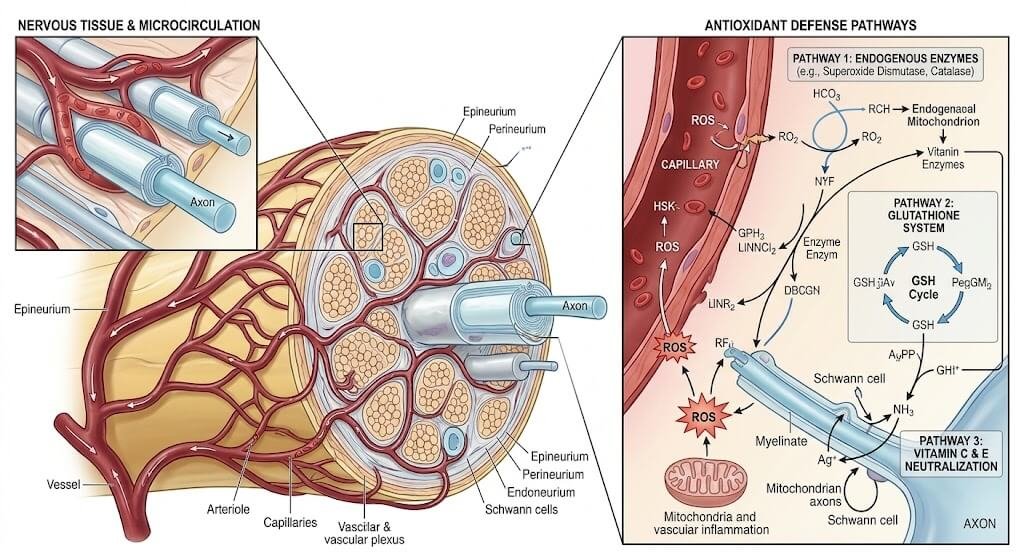
Furthermore, meta-analyses published in peer-reviewed medical repositories like PubMed Central demonstrate that oral doses of 600 mg per day provide an optimal balance of symptomatic relief and low gastrointestinal side effects. By lowering chronic cellular strain, ALA helps protect the myelin sheath surrounding your nerves, improving overall nerve conduction velocity over time.
Key Benefits of ALA for Nerve Health and Mobility
Whether your goal is walking comfortably without foot distress or staying active in the gym, maintaining nerve integrity is essential. Here are the primary benefits of adding ALA to your wellness routine:
1. Reduced Burning and Prickling Sensations
By fighting localized oxidative damage, ALA directly reduces the hypersensitivity of damaged nerve endings. This helps tone down constant prickling, pins-and-needles feelings, and nighttime foot discomfort.
2. Improved Metabolic and Glucose Support
Because ALA enhances mitochondrial function, it assists your cells in utilizing glucose efficiently. Balanced blood sugar is the single most vital factor in preventing further nerve decay. Supplementing ALA works hand-in-hand with strategies to support metabolism naturally for weight management.
3. Enhanced Microvascular Circulation
Your peripheral nerves rely on tiny capillaries for blood supply. ALA promotes nitric oxide production, helping dilate these blood vessels to supply oxygen and nutrients directly to damaged sensory nerves.
4. Synergy with Physical Movement
When sensory symptoms diminish, staying consistent with walking and low-impact exercise becomes much easier. Keeping your body moving stimulates neuroplasticity and joint mobility.

Recommended Dosage and R-ALA vs. S-ALA
Understanding the correct form and dosage ensures you achieve the best outcome without digestive distress.
| Form / Variable | Standard Synthetic ALA | Stabilized R-Alpha Lipoic Acid (R-ALA) |
| Composition | 50% R-form / 50% S-form mixture | 100% natural R-isomer form |
| Bioavailability | Moderate cellular uptake | High biological activity & fast absorption |
| Typical Daily Dose | 600 mg – 1,200 mg daily | 200 mg – 300 mg daily |
| Best Time to Take | On an empty stomach (30 min before meals) | On an empty stomach (30 min before meals) |
Coaching Dosing Guidelines:
- Standard Starting Dosage: Most clinical trials recommend an initial oral target of 600 mg of standard ALA once daily.
- Taking It Correctly: Take your dose with a full glass of water roughly 30 to 45 minutes before eating breakfast. Food intake can lower the absorption rate of lipoic acid in your digestive system.
- Choosing R-ALA: If you opt for purified R-ALA, lower dosages (around 300 mg) often provide similar therapeutic benefits due to superior biological availability.
Coach’s Tip: “Consistency is everything with nerve support. Don’t expect nerve discomfort to disappear overnight. Most human clinical trials evaluate nerve changes over an 8-to-12-week timeframe. Pair your daily supplement routine with stable sleep, as sleep affects metabolism and weight management, which deeply influences nerve repair pathways.”
Safety, Side Effects, and Precautions
While alpha lipoic acid for neuropathy is widely tolerated by most adults, taking excessive doses or failing to monitor blood markers can lead to adverse events.
Common Mild Side Effects:
- Minor gastrointestinal upset or nausea
- Mild skin rash or itching
- Acid reflux or heart burn
- Distinctive urine odor (harmless metabolite excretion)
Common Mistake to Avoid: Taking large doses of ALA (over 1,200 mg daily) on an empty stomach often causes severe stomach cramps or acid reflux. Stick to verified standard doses of 600 mg daily unless explicitly instructed by your physician.
Important Medical Precautions:
- Hypoglycemia Risk: Because ALA improves cellular insulin sensitivity, taking it alongside diabetes medications (such as insulin or metformin) may drop your blood sugar unexpectedly low. Always monitor your blood glucose carefully.
- Thyroid Medication Interferences: High doses of lipoic acid may alter thyroid hormone conversion. Space your thyroid medication at least 4 hours apart from your ALA supplement.
- Thiamine (Vitamin B1) Deficiency: Heavy alcohol consumers should exercise caution, as ALA requires adequate Vitamin B1 levels to function safely inside cells without stressing metabolic pathways.
Practical Workout Routine for Managing Nerve Symptoms
Physical activity increases systemic blood flow, delivers nutrients to nerve pathways, and helps maintain insulin balance. If you experience peripheral nerve discomfort, low-impact training focused on balance, strength, and circulation is best.

Weekly Exercise Schedule Overview

- Monday: Low-Impact Mobility & Seated Strength
- Tuesday: Light Zone 2 Walking or Stationary Cycling (20-30 min)
- Wednesday: Rest & Active Recovery
- Thursday: Low-Impact Lower Body & Balance Workout
- Friday: Core Stability & Upper Body Strength
- Saturday: Gentle Outdoor Walk or Swimming
- Sunday: Full Rest & Stretching
Sample Nerve-Friendly Strength Routine
Perform this routine 2 to 3 times per week. Rest 60 to 90 seconds between sets.
| Exercise | Target Area | Sets | Repetitions | Focus / Tempo |
| 1. Chair Squats | Quadriceps, Glutes | 3 | 10–12 reps | Controlled 3-sec descent |
| 2. Seated Dumbbell Calf Raises | Lower Leg & Foot Blood Flow | 3 | 15–20 reps | Squeeze calf at top for 2 sec |
| 3. Step-Taps to Low Platform | Agility & Balance | 3 | 10 reps per leg | Smooth weight transfer |
| 4. Seated Resistance Band Rows | Upper Back, Posture | 3 | 12–15 reps | Pause at chest pull |
| 5. Standing Single-Leg Balance Hold | Proprioception & Ankle Stability | 3 | 20–30 sec hold | Hold wall for safety if needed |
Exercise Progressions and Regressions
- Squat Regression (Easier): Perform assisted chair squats using a sturdy table or TRX straps to remove balance stress.
- Squat Progression (Harder): Hold a light 10 lb [4.5 kg] dumbbell at chest height (Goblet Squat) while keeping full heel contact.
- Balance Regression (Easier): Stand near a wall, keeping two fingertips touching for stability while raising one foot off the floor 1 inch [2.5 cm].
- Balance Progression (Harder): Stand on a soft balance cushion while performing single-leg holds with eyes closed for brief intervals.
Alongside resistance training, strategies to increase metabolism naturally for weight loss can help lower overall metabolic stress on your nervous system.
Frequently Asked Questions (FAQ)
How long does it take for alpha lipoic acid to help neuropathy?
Most human clinical studies report noticeable reductions in burning, numbness, and sensory pain after 3 to 5 weeks of continuous daily oral supplementation. Maximum therapeutic benefits for peripheral nerves usually build up around 8 to 12 weeks.
Can alpha lipoic acid reverse existing nerve damage?
While ALA cannot fully reverse long-standing structural nerve damage, research suggests it slows progression, improves nerve conduction velocity, and lowers ongoing oxidative strain. This helps damaged nerve fibers function more effectively while reducing daily pain symptoms.
What is the recommended daily dosage of alpha lipoic acid for neuropathy?
The standard evidence-based oral dosage for nerve discomfort is 600 mg once daily, taken on an empty stomach roughly 30 minutes before breakfast. If using purified R-ALA, dosages between 300 mg and 600 mg daily are commonly utilized under physician guidance.
Should I take R-Alpha Lipoic Acid or synthetic ALA?
Synthetic ALA contains equal parts R-ALA and S-ALA isomers. Pure R-ALA is the biologically active form natural to human cells, offering higher bioavailability. While synthetic ALA is effective and budget-friendly, R-ALA requires lower milligram dosages to achieve similar results.
Are there any risks to taking ALA with diabetes medications?
Yes. Because ALA naturally improves cell insulin sensitivity and glucose utilization, combining it with diabetes medications like insulin or metformin may cause blood sugar to drop too low. Monitor your blood glucose closely and consult your physician before starting supplementation.
Can I take alpha lipoic acid alongside other nerve support supplements?
Yes. ALA is frequently combined with Acetyl-L-Carnitine, Benfotiamine (Vitamin B1), and Vitamin B12. However, always space out your supplement dosages and discuss comprehensive regimens with your healthcare provider to ensure safe synergy.
Conclusion
Managing nerve health requires a thoughtful, multi-faceted approach. Utilizing alpha lipoic acid for neuropathy offers a scientifically validated option to help lower oxidative stress, protect peripheral nerve fibers, and restore microvascular circulation down to your hands and feet.
When paired with consistent low-impact exercise, balanced nutrition, healthy sleep, and medical supervision, ALA can help you regain comfort and stay active for years to come.