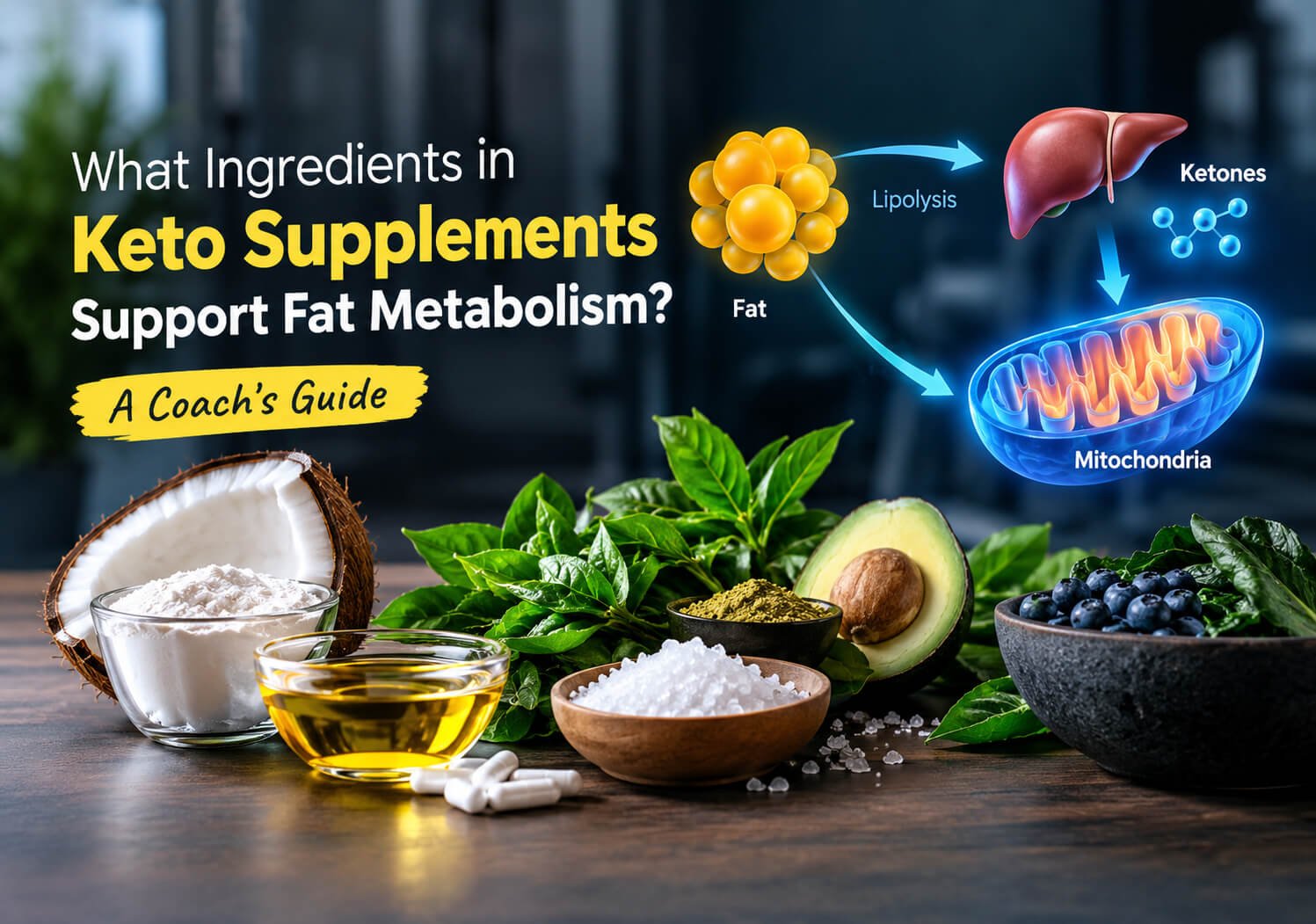
When you ask, what ingredients in keto supplements support fat metabolism, you are looking for science-backed compounds that actually move the needle. The ketogenic diet shifts your body’s primary fuel source from glucose to fat. However, transitioning into and maintaining this metabolic state requires specific nutritional support. Not all supplements are created equal, and many products on the market rely on marketing hype rather than physiological evidence. As a strength and conditioning coach, I guide clients to focus on ingredients that directly enhance lipolysis, mitochondrial function, and metabolic flexibility.
This guide breaks down the exact compounds proven to support fat oxidation, how to dose them, and how to integrate them into your daily routine safely and effectively.
Quick Answer
The most effective ingredients in keto supplements for fat metabolism include exogenous ketones (BHB), MCT oil, L-carnitine, green tea extract (EGCG), and essential electrolytes (sodium, potassium, magnesium). These compounds work by accelerating ketone production, shuttling fatty acids into mitochondria for energy, and supporting the enzymatic reactions required for efficient fat burning.
The Science of Fat Metabolism in Ketosis
To understand how supplements work, you must first understand the baseline physiology of fat metabolism. In a standard diet, your body relies on glycogen (stored carbohydrates) for energy. When you restrict carbohydrates to under 50 grams per day, glycogen stores deplete. This forces the liver to convert fatty acids into ketone bodies, primarily beta-hydroxybutyrate (BHB), acetoacetate, and acetone.
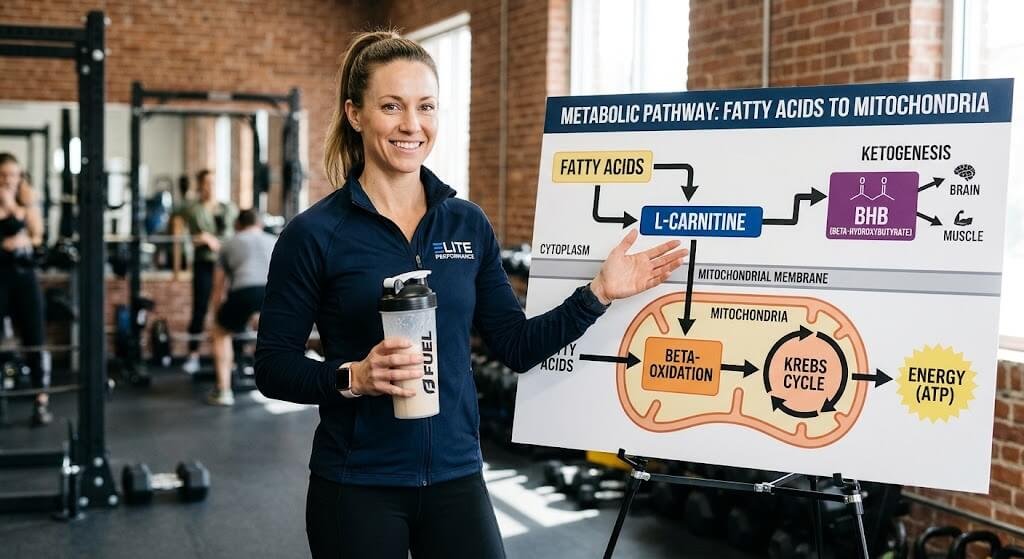
This process, known as ketogenesis, requires efficient lipolysis (the breakdown of fat cells) and fatty acid oxidation. According to the National Institutes of Health (NIH), fatty acids must be transported across the mitochondrial membrane to be burned for energy. This transport is the rate-limiting step of fat metabolism. Supplements that target this specific pathway, or those that provide exogenous ketones to ease the metabolic transition, can significantly support your fat-loss goals.
Furthermore, maintaining metabolic flexibility—the ability to seamlessly switch between burning carbs and fats—is crucial. Supporting this flexibility requires optimal hydration, mineral balance, and targeted amino acids.
Top Ingredients Breakdown: What the Research Says
The following table summarizes the most evidence-based ingredients found in quality keto supplements.
| Ingredient | Primary Function | Typical Dosage | Best For |
| Exogenous Ketones (BHB) | Elevates blood ketone levels, reduces keto flu, spares muscle. | 5–10 grams per serving | Keto transition, pre-workout energy |
| MCT Oil (C8/C10) | Rapidly converted to ketones by the liver; boosts thermogenesis. | 1–2 tablespoons (15–30 ml) | Morning fasting, cognitive focus |
| L-Carnitine (L-Tartrate) | Shuttles long-chain fatty acids into mitochondria for oxidation. | 1,000–2,000 mg per day | Enhancing fat burn during cardio |
| Green Tea Extract (EGCG) | Inhibits enzymes that break down norepinephrine, increasing fat oxidation. | 250–500 mg per day | Mild thermogenesis, appetite control |
| Electrolytes (Na, K, Mg) | Supports enzymatic reactions, nerve function, and prevents keto flu. | 3,000–5,000 mg Sodium, 1,000–3,500 mg Potassium, 300–400 mg Magnesium | Daily hydration, muscle cramp prevention |
| Chromium Picolinate | Supports healthy glucose metabolism and insulin sensitivity. | 200–400 mcg per day | Reducing sugar cravings, metabolic support |
1. Exogenous Ketones (Beta-Hydroxybutyrate / BHB)
Exogenous ketones are lab-created ketone bodies, usually bound to a mineral salt (like sodium, calcium, or magnesium). When you consume them, they raise your blood ketone levels within 30 to 60 minutes. While they do not directly “burn” your body fat, they support fat metabolism indirectly. By providing an immediate alternative fuel source, BHB salts reduce the severity of the “keto flu,” allowing you to maintain the low-carb dietary adherence required for endogenous fat burning.
Research published in the Journal of the International Society of Sports Nutrition indicates that exogenous ketones can help preserve lean muscle mass during caloric restriction, which is vital because muscle tissue drives your basal metabolic rate.
2. MCT Oil (Medium-Chain Triglycerides)
MCT oil is a powerhouse for keto dieters. Unlike long-chain triglycerides found in most dietary fats, MCTs bypass the lymphatic system and travel directly to the liver via the portal vein. There, they are rapidly converted into ketones. Caprylic acid (C8) is the most efficient MCT for this purpose.
A study in the American Journal of Clinical Nutrition demonstrated that MCT consumption increases energy expenditure and fat oxidation compared to long-chain fats. For practical use, add 1 tablespoon (15 ml) to your morning coffee or protein shake.
3. L-Carnitine
L-carnitine is an amino acid derivative that acts as a cellular shuttle. Its primary role is to transport long-chain fatty acids into the mitochondria, where they are oxidized to produce adenosine triphosphate (ATP). Without adequate L-carnitine, fatty acids cannot efficiently enter the mitochondria, creating a bottleneck in fat metabolism.
Supplementing with 1,000 to 2,000 mg of L-carnitine L-tartrate before aerobic exercise has been shown to increase fat utilization during the workout. It is particularly effective when paired with a carbohydrate-restricted diet, as insulin spikes can interfere with carnitine retention in muscle tissue.
4. Green Tea Extract (EGCG)
Epigallocatechin gallate (EGCG) is the primary active catechin in green tea. It supports fat metabolism by inhibiting the enzyme that breaks down norepinephrine. Higher norepinephrine levels signal fat cells to break down more fat.
When combined with caffeine, EGCG has a synergistic thermogenic effect. The European Journal of Clinical Nutrition notes that green tea extract can increase fat oxidation by up to 17% during moderate-intensity exercise. Look for supplements standardized to contain at least 50% EGCG.
5. Essential Electrolytes (Sodium, Potassium, Magnesium)
Electrolytes are not direct fat burners, but they are non-negotiable for metabolic function. Every enzymatic reaction involved in lipolysis and ketogenesis requires adequate mineral balance. When insulin levels drop on a keto diet, the kidneys excrete more sodium, which subsequently depletes potassium and magnesium.
This depletion leads to fatigue, brain fog, and muscle cramps, often derailing a client’s fat-loss efforts. Supplementing with a high-quality electrolyte blend ensures your metabolic machinery continues to run smoothly.
6. Chromium Picolinate and Inositol
While not exclusive to keto, these compounds play a vital role in metabolic health. Chromium picolinate is widely recognized for supporting healthy glucose metabolism, which helps stabilize blood sugar and reduce the cravings that often sabotage low-carb diets. You can read more about how supporting healthy glucose metabolism can impact your overall dietary adherence.
Similarly, inositol has been studied for its role in improving insulin sensitivity. Better insulin sensitivity means your body is more efficient at partitioning nutrients, favoring fat oxidation over fat storage. Learn more about the research behind improving insulin sensitivity and metabolic flexibility.

How to Apply It: Practical Steps for Fat Metabolism
Knowing the ingredients is only half the battle. Applying them correctly determines whether you see results or just expensive urine. Here is a practical framework for integrating these supplements into your routine.
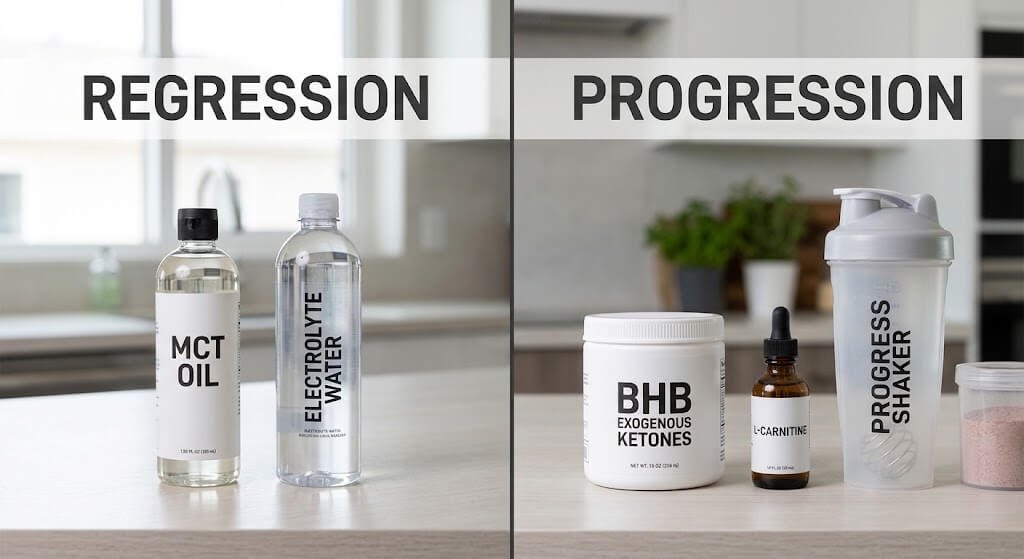
Step 1: Establish Your Baseline (Regression)
If you are new to keto or supplements, do not stack everything at once. Start with a basic regression protocol:
- Morning: 1 tablespoon (15 ml) of C8 MCT oil in black coffee or tea.
- Throughout the day: 1 serving of a comprehensive electrolyte powder (containing at least 1,000 mg of sodium and 200 mg of magnesium) mixed in 20 ounces (590 ml) of water.
- Goal: Acclimate your digestive system and prevent keto flu without overwhelming your routine.
Step 2: Optimize for Performance (Progression)
Once you are fat-adapted (typically after 3–4 weeks), you can progress to a targeted stack to maximize fat oxidation during training:
- Pre-Workout (30 minutes before): 5 grams of exogenous BHB salts, 1,500 mg of L-carnitine L-tartrate, and 200 mg of caffeine anhydrous.
- Why this works: The BHB provides immediate fuel, the L-carnitine shuttles stored fat to the mitochondria, and the caffeine increases norepinephrine. This combination is highly effective for fasted cardio or resistance training.
- Note: Optimizing your cardiovascular system is also key. Enhancing blood flow to working muscles ensures that oxygen and fatty acids are delivered efficiently. Learn how enhancing blood flow to working muscles can complement your metabolic goals. Some advanced stacks include amino acids like L-citrulline to support this process. You can explore how amino acids like L-citrulline contribute to vascular dilation and performance.
Step 3: Timing and Dosage Rules
- MCT Oil: Always start with 1 teaspoon (5 ml) to assess tolerance. Jumping to a full tablespoon can cause gastrointestinal distress.
- L-Carnitine: Best absorbed on an empty stomach or with a minimal-carb meal.
- Electrolytes: Sip throughout the day rather than chugging all at once to maintain steady cellular hydration.
Safety Notes and Coaching Callouts
Supplements are tools, not magic pills. They must be used responsibly within the context of a well-formulated diet and training program.
Coach’s Tip:
Do not mix MCT oil and exogenous BHB salts in the same shaker bottle if you are prone to stomach upset. The combination of rapid fats and mineral salts can draw water into the intestines, causing bloating. Take them 30 minutes apart, or use a standard 24-inch (61 cm) shaker bottle with plenty of water to dilute the mixture thoroughly.
Common Mistake:
Relying on keto pills to out-supplement a high-carb diet. Supplements support metabolism; they do not override a caloric surplus or high carbohydrate intake. If your glycogen stores are full, your body will not prioritize fat oxidation, regardless of how much L-carnitine you consume.
Additionally, if you are incorporating vasodilators into your pre-workout stack, understanding the difference between options is useful. When comparing L-arginine vs L-citrulline for blood flow, L-citrulline is generally preferred for sustained nitric oxide production without the rapid breakdown that limits L-arginine’s effectiveness. Maintaining healthy blood vessel function is a foundational aspect of delivering nutrients to metabolically active tissues. For those experiencing fatigue or cold extremities on keto, it may be worth addressing poor blood circulation through a combination of electrolyte balance, movement, and targeted vascular support.
Medical Disclaimer: Always consult with a physician or registered dietitian before starting any new supplement regimen, especially if you have pre-existing conditions such as kidney disease, liver issues, or hypertension. This article is for general information and is not a substitute for advice from a doctor or physical therapist.
Frequently Asked Questions (FAQ)
1. Do keto pills actually burn fat?
Keto pills (exogenous ketones) do not directly burn body fat. Instead, they elevate blood ketone levels, which can reduce appetite, improve mental clarity, and ease the transition into ketosis. This indirect support helps you maintain the caloric deficit and low-carb intake required for actual fat loss.
2. What is the best ingredient for ketosis?
MCT oil, specifically Caprylic acid (C8), is widely considered the best ingredient for supporting endogenous ketosis. It bypasses normal fat digestion and is rapidly converted by the liver into ketone bodies, providing a quick and efficient energy source that mimics a fasted state.
3. How does MCT oil support fat metabolism?
MCT oil supports fat metabolism by increasing thermogenesis and fat oxidation. Because it is absorbed directly into the portal vein and sent to the liver, it stimulates the production of ketones and increases energy expenditure more effectively than long-chain dietary fats.
4. Are exogenous ketones safe for fat loss?
Yes, exogenous ketones are generally safe for healthy adults when used as directed. However, they contain mineral salts (sodium, calcium, magnesium), which can add up quickly. Monitor your total daily mineral intake to avoid exceeding safe upper limits, especially if you have blood pressure concerns.
5. Does L-carnitine work on a keto diet?
L-carnitine is highly effective on a keto diet. Since keto relies on fat for fuel, the role of L-carnitine in shuttling those fatty acids into the mitochondria becomes even more critical. Supplementing can help overcome the rate-limiting step of fat oxidation, especially during exercise.
6. How to avoid keto flu with supplements?
To avoid the keto flu, prioritize aggressive electrolyte supplementation. Ensure you are getting 3,000–5,000 mg of sodium, 1,000–3,500 mg of potassium, and 300–400 mg of magnesium daily. Adding exogenous BHB salts during the first two weeks can also significantly reduce fatigue and brain fog.
Conclusion
Understanding what ingredients in keto supplements support fat metabolism allows you to invest your money wisely and train more effectively. Exogenous ketones, MCT oil, L-carnitine, green tea extract, and essential electrolytes form the foundation of a science-backed keto supplement stack. These compounds work synergistically to enhance lipolysis, improve mitochondrial efficiency, and sustain your energy levels.
Remember that supplements are the final 5% of the equation. The other 95% consists of a well-structured, calorie-appropriate ketogenic diet, consistent resistance training, and adequate recovery. Start with the regression protocol, monitor how your body responds, and progressively stack ingredients as needed to achieve your body composition goals.