If you have ever stared at a shelf packed with skincare products, you know that keeping your skin soft and smooth can feel like a full-time job. Serums and creams are popular, but oral supplements have gained huge attention. Many people now ask: do hyaluronic acid pills work for skin moisture, or are they just another health trend?
As a strength coach and wellness researcher, I often talk to clients who want to improve their overall health, recover well from workouts, and maintain healthy skin as they age. Your skin is your body’s largest organ, and staying hydrated from the inside out is vital for performance and general wellness. In this guide, we will examine the scientific research, explain how oral hyaluronic acid works inside the body, and give you practical advice on dosage, timing, and safety.
Quick Answer
Yes, clinical research shows that oral hyaluronic acid pills work for skin moisture. Taking 120 mg to 240 mg daily for 8 to 12 weeks increases skin hydration, reduces dryness, and improves skin smoothness by increasing moisture content in the dermal layer and supporting your natural skin barrier.
What Is Hyaluronic Acid and How Does It Work?
Hyaluronic acid (HA) is a naturally occurring molecule found throughout your body. It is a type of sugar molecule known as a glycosaminoglycan. It is located in highest concentrations in your connective tissues, joint fluid, eyes, and skin. In fact, roughly 50% of your body’s total hyaluronic acid resides in your skin.
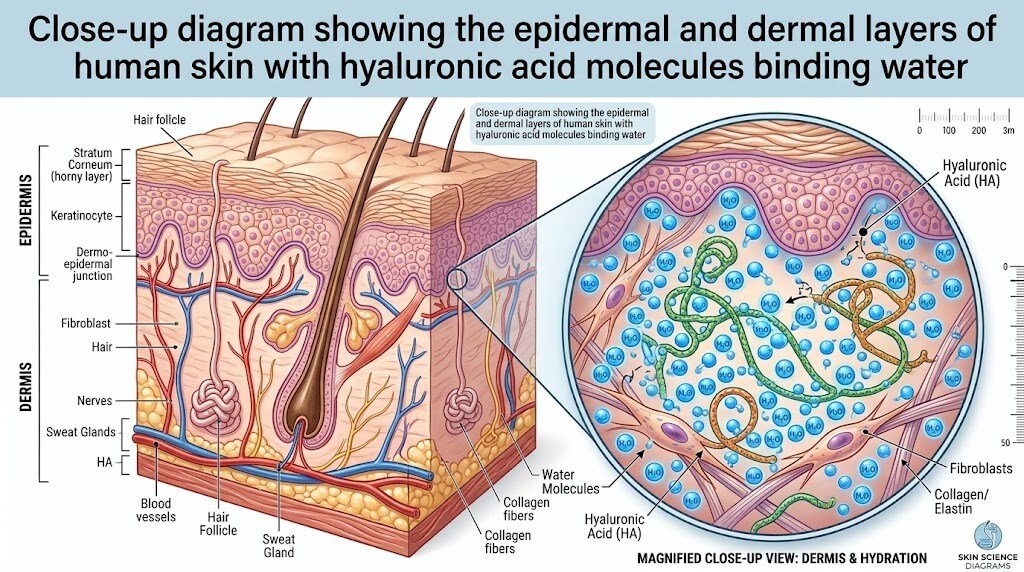
Its primary job is to hold onto water molecules. A single gram of hyaluronic acid can hold up to six liters of water. This incredible water-binding capacity keeps your tissues lubricated, your joints moving smoothly, and your skin firm and plump.
As we age, our natural production of hyaluronic acid decreases. Environmental stress, ultraviolet (UV) radiation from sun exposure, and normal aging reduce the amount of hyaluronan in our dermal layers. This loss leads to increased transepidermal water loss (TEWL), fine lines, and chronic dryness.
Do Hyaluronic Acid Pills Work for Skin Moisture? What Science Says
When you apply a cream or serum to your face, the hyaluronic acid works mainly on the outermost surface—the stratum corneum. Topicals help trap surface moisture, but large HA molecules often struggle to penetrate deeper layers of the skin.
Oral supplements work differently. When you swallow a hyaluronic acid capsule, gut bacteria break down the molecule into smaller oligosaccharides. These smaller units are absorbed through the intestinal wall into the bloodstream and carried directly to the dermis (the deep layer of your skin). There, they signal dermal fibroblasts to synthesize new, naturally occurring hyaluronic acid.
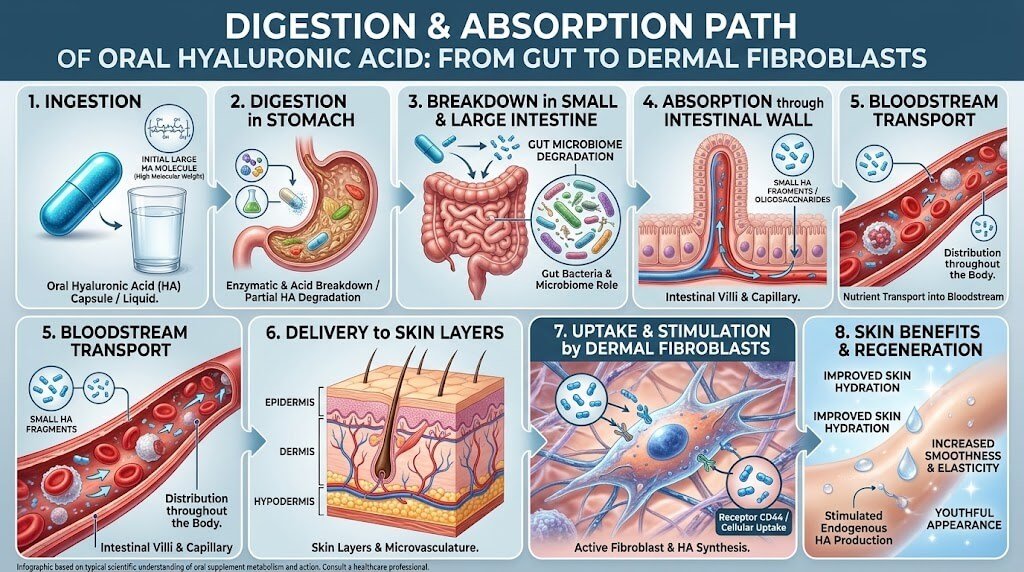
Several clinical trials confirm this process:
- Improved Skin Hydration: A double-blind, placebo-controlled study published in the Journal of Clinical and Aesthetic Dermatology showed that adults taking 120 mg of oral hyaluronic acid daily for 12 weeks experienced a significant increase in skin moisture and a reduction in skin dryness compared to the placebo group.
- Reduced Wrinkle Depth and Dryness: Research published in Clinical, Cosmetic and Investigational Dermatology revealed that daily intake of sodium hyaluronate improved skin hydration and reduced fine lines by boosting moisture retention within the extracellular matrix.
- Stronger Barrier Function: Studies show that consistent supplementation reduces transepidermal water loss, helping the skin hold onto water even in dry or cold conditions.
To keep your entire body healthy and support overall skin vitality, remember that basic nutrition matters. Knowing which nutrients support normal energy metabolism ensures your cells have the energy they need for repair and hydration.
Oral vs. Topical Hyaluronic Acid: Which Is Better?
Choosing between a supplement and a serum does not have to be an “either-or” decision. Both approaches serve distinct, complementary roles in your skin health routine.
| Feature | Oral Hyaluronic Acid Pills | Topical Hyaluronic Acid Serums |
| Primary Target | Deep dermis layer and whole-body skin | Outer surface (stratum corneum) |
| Mechanism | Stimulates fibroblasts; systemic hydration | Traps surface water; instant plumping |
| Coverage | Entire body (face, arms, legs, scalp) | Spot-treatment / targeted application |
| Time to Results | 4 to 12 weeks for noticeable change | Immediate temporary effect |
| Secondary Benefits | Joint lubrication and connective tissue support | Instant smoothing of superficial fine lines |
While topical creams provide an immediate surface boost, do hyaluronic acid pills work for skin moisture on a deeper, long-term level? Yes. Oral pills hydrate your skin systematically across your entire body, including areas you might neglect with topical creams, like your arms, back, and legs. Combining both approaches gives you immediate surface protection and long-lasting deep hydration.

Expected Results: Timeline and What to Expect
Supplements take time to build up in your system. Unlike a topical moisturizer that offers instant surface smoothing, oral hyaluronic acid works from within.
Week 1 – 2 : Digestion, gut breakdown, and systemic uptake begin.
Week 4 : Initial improvements in overall skin softness and reduced flakiness.
Week 8 : Measurable increases in skin moisture levels and improved elasticity.
Week 12 : Optimal results: reduced fine lines, stronger skin barrier, and lasting hydration.
If you stop taking the supplement, skin moisture levels will gradually return to baseline over several weeks as your body naturally metabolizes the hyaluronan.
Recommended Dosage, Timing, and Molecular Weight
To get the best results from your supplement, follow these evidence-based guidelines:
Daily Dosage
- Standard Effective Dose: 120 mg to 240 mg per day.
- Maintenance Dose: 120 mg per day once desired hydration levels are reached.
Timing
Take your capsule once or twice daily with a full glass of water. Because hyaluronic acid relies on water to work effectively, staying well-hydrated throughout the day is essential. You can take it with or without food, though taking it with a meal may prevent mild stomach upset in sensitive individuals.
Molecular Weight
Look for supplements that specify low-to-medium molecular weight sodium hyaluronate (between 100 to 1,000 kDa). Lower molecular weights are broken down and absorbed more easily in the gut, ensuring higher bioavailability for your dermal layers.
Coach’s Tip
Hyaluronic acid acts like a sponge, pulling water into your cells. For it to work properly, you must supply the water! Drink at least 8 to 10 cups of fluid daily. Pair your supplement with a balanced diet rich in protein to support structural collagen. If you struggle with hunger or meal planning while focusing on fitness, see our guide on how protein helps control hunger during weight loss.
Combining Hyaluronic Acid with Other Supplements
You can maximize skin hydration and overall health by pairing hyaluronic acid with synergistic nutrients:
- Collagen Peptides: Collagen provides the structural frame of your skin, while hyaluronic acid fills the spaces in between with water. Taking them together supports both skin firmness and moisture.
- Vitamin C: Essential for natural collagen synthesis and antioxidant protection against UV-induced free radicals.
- Dietary Fiber & Healthy Fats: Maintaining gut health helps absorb oral supplements efficiently. Understanding how dietary fiber helps with appetite and weight management shows how digestion impacts overall body health.
- Metabolic Support: Overall skin cellular turnover relies on efficient metabolism. Learn how to support metabolism naturally for weight management to optimize cellular function across all tissues.
Safety, Side Effects, and Who Should Be Careful
Oral hyaluronic acid is safe and well-tolerated by most people. Because hyaluronan is naturally produced by your body, allergic reactions and adverse effects are rare.
Possible Minor Side Effects
- Mild digestive upset or soft stools (rare)
- Mild headache when first starting
Common Mistake
Expecting instant results without drinking enough water. Oral hyaluronic acid requires systemic hydration to work. Taking a pill without drinking sufficient fluids will significantly limit its skin-hydrating benefits.
Precautions
- Pregnancy and Breastfeeding: Research on pregnant or nursing women is limited. Consult your healthcare provider before taking HA pills.
- Cancer History: Because hyaluronic acid promotes cell growth and tissue repair, individuals with an active history of cancer should consult an oncologist before using HA supplements.
- Medication Interactions: There are no known major drug interactions, but always check with a physician if you take prescription medications.
For adults over 40 managing overall vitality, hormonal balance and metabolic speed play huge roles in skin quality. Read our advice on how to increase metabolism naturally after 40 for actionable lifestyle habits.
Lifestyle Factors That Boost Skin Moisture
Supplements work best alongside solid health habits. To keep your skin hydrated and youthfully firm, integrate these core practices:
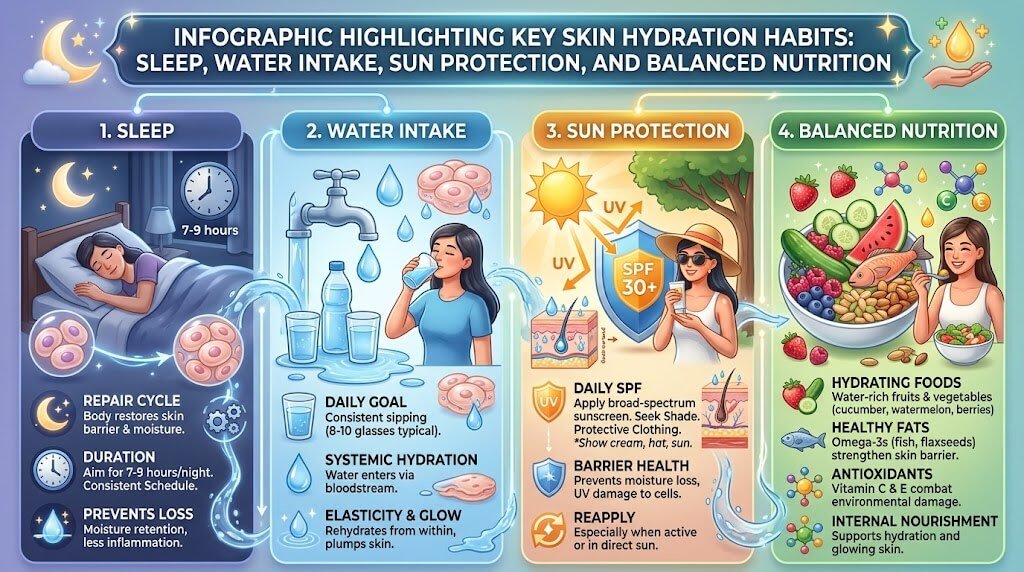
- Prioritize Restful Sleep: Your body repairs tissue and regulates hydration during sleep. Read about how sleep affects metabolism and weight management to understand the hormonal connection to skin repair.
- Control Daily Stress: High cortisol levels break down dermal collagen and weaken your skin barrier. Managing daily stress protects skin integrity.
- Eat Nutrient-Dense Foods: Include healthy fats (like omega-3s), colorful vegetables, and adequate protein. Check out which vitamins support metabolism when you have a deficiency to ensure your tissue health isn’t compromised by dietary gaps.
Frequently Asked Questions
Can oral hyaluronic acid improve dry skin on the body?
Yes. Unlike topical creams that only treat where you apply them, oral hyaluronic acid supplements work systemically. They deliver moisture-binding hyaluronan through the bloodstream to skin cells across your entire body, including legs, arms, and back.
How long does it take for hyaluronic acid pills to work?
Most clinical trials demonstrate measurable improvements in skin hydration and reduction in dryness after 4 to 8 weeks of daily use, with maximum benefits appearing around 12 weeks.
How much oral hyaluronic acid should I take daily?
Research supports a daily dose between 120 mg and 240 mg for improving skin moisture and reducing fine lines. Taking more than 240 mg per day does not appear to offer additional skin hydration benefits.
Do hyaluronic acid supplements cause weight gain?
No. Hyaluronic acid supplements contain negligible calories and do not impact body fat or appetite. Any minimal change on the scale is due to improved cellular water retention in skin and joints, not fat gain.
Can you take hyaluronic acid supplements with collagen?
Yes. Hyaluronic acid and collagen work together synergistically in the extracellular matrix of your skin. Collagen provides structural protein fibers, while hyaluronic acid holds the water that keeps those fibers plump and hydrated.
Are there any side effects of oral hyaluronic acid pills?
Oral hyaluronic acid is extremely safe because it is naturally present in the human body. Side effects are rare, though mild digestive discomfort can occasionally occur if taken on an empty stomach.
Conclusion
So, do hyaluronic acid pills work for skin moisture? The evidence shows that they do. Clinical studies confirm that taking 120 mg to 240 mg of low-molecular-weight hyaluronic acid daily helps restore moisture levels in the dermal layer, reduces fine lines, and strengthens your natural skin barrier from within.
While topical serums provide immediate, surface-level hydration, oral pills offer systemic, long-lasting moisture retention for your entire body. For best results, pair your supplement routine with adequate daily water intake, a protein-rich diet, and solid sleep habits.