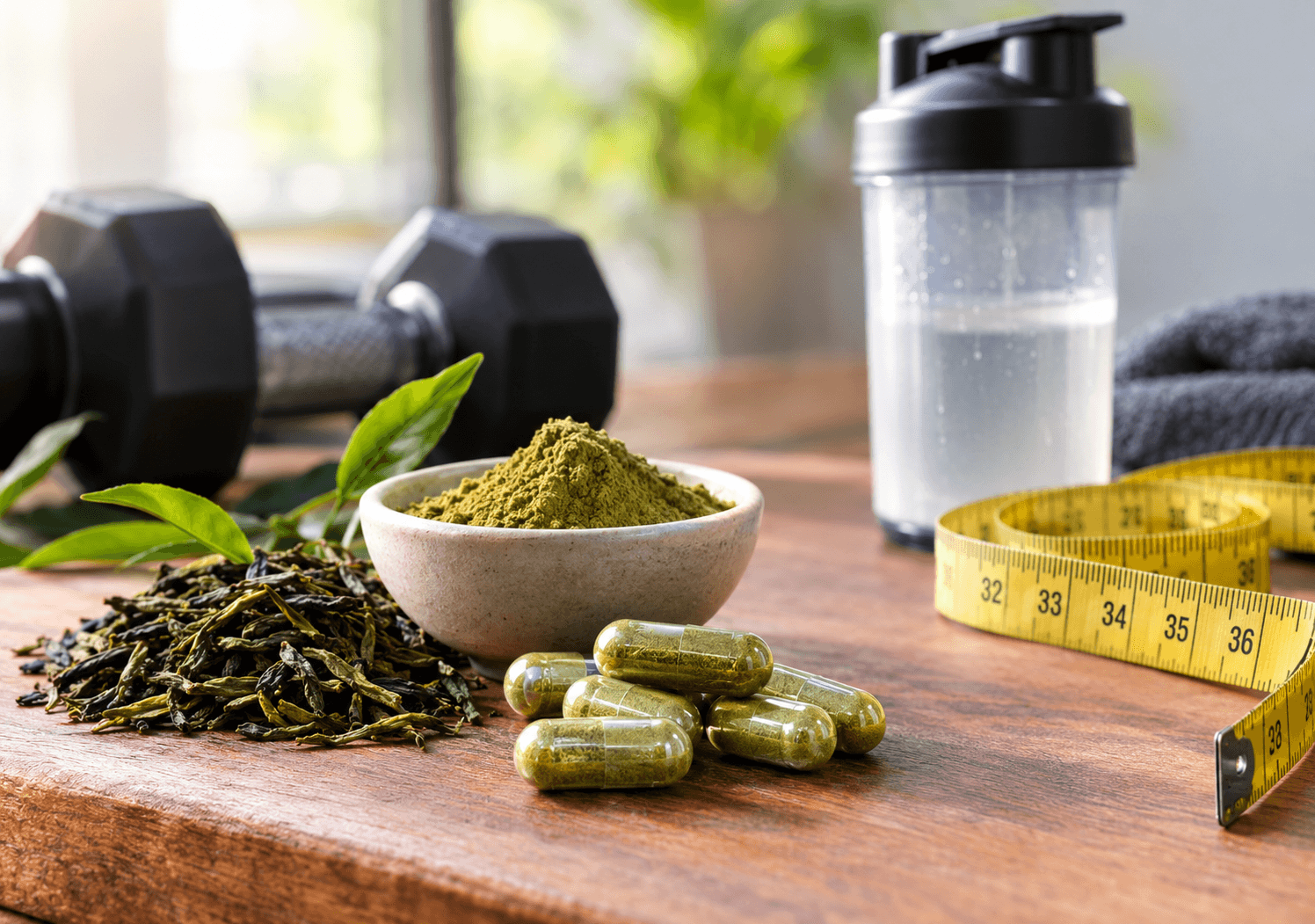
Many gym-goers and health enthusiasts ask a very specific question: does green tea extract increase resting metabolic rate? The short answer is yes, but with important caveats regarding dosage, timing, and individual response. As a strength and conditioning coach, I frequently field questions about supplements that promise to accelerate fat loss. Green tea extract is one of the few that actually has robust scientific backing. However, it is not a magic pill. It works best when paired with a structured resistance training program, adequate protein intake, and consistent sleep. This guide will break down the exact mechanisms, the clinical research, and how to safely apply this supplement to your daily routine.
Quick Answer
Yes, research shows that green tea extract can increase resting metabolic rate by approximately 3–4%, translating to an extra 75–100 calories burned per day. This effect is primarily driven by the catechin EGCG, especially when combined with caffeine. For best results, take 300–500 mg of EGCG daily with food to safely support fat oxidation.
Does Green Tea Extract Increase Resting Metabolic Rate? The Science
To understand how this supplement works, we must first define resting metabolic rate (RMR). Your RMR is the number of calories your body burns at complete rest to maintain vital functions like breathing, circulation, and cell production. It accounts for roughly 60–75% of your total daily energy expenditure.
When we ask, does green tea extract increase resting metabolic rate, we are looking at how specific compounds interact with your nervous system. Green tea leaves are rich in polyphenols, specifically a type of catechin called epigallocatechin-3-gallate (EGCG). Clinical trials have repeatedly shown that EGCG can mildly elevate energy expenditure.
A comprehensive meta-analysis published in the British Journal of Nutrition confirmed that green tea extract supplementation significantly impacts body composition and metabolic markers. The research indicates that the thermogenic effect of green tea is modest but measurable. Specifically, studies note that green tea extract ingestion could increase thermogenesis by 35–43%, which equates to roughly 75–100 extra kilocalories burned per day. While 100 calories may seem small, it compounds over weeks and months, creating a meaningful caloric deficit when combined with proper nutrition.
The Role of EGCG and Caffeine
The metabolic boost from green tea is not a solo act. It relies on a powerful synergy between EGCG and caffeine. Caffeine works by blocking adenosine receptors in the brain, which stimulates the central nervous system and increases the release of norepinephrine. Norepinephrine is a hormone and neurotransmitter that signals fat cells to break down stored triglycerides into free fatty acids.
Normally, an enzyme called catechol-O-methyltransferase (COMT) quickly breaks down norepinephrine, limiting the duration of this fat-burning signal. This is where EGCG shines. Research demonstrates that EGCG inhibits the COMT enzyme. By slowing the degradation of norepinephrine, EGCG prolongs the fat-burning signal.
Interestingly, this synergy works even if the caffeine content is relatively low. Some studies have shown that a decaffeinated green tea extract formula can still acutely increase fat oxidation by 17% when providing around 366 mg of EGCG. However, the combination of EGCG with a small dose of caffeine (e.g., 50–200 mg) tends to produce the most reliable results for increasing resting energy expenditure.
Green Tea Extract vs. Placebo: Metabolic Impact
To give you a clear picture of what the data shows, here is a summary of metabolic changes observed in randomized controlled trials comparing green tea extract to a placebo.
| Metric | Placebo Group | Green Tea Extract Group (300–500 mg EGCG) | Clinical Significance |
| Resting Metabolic Rate (RMR) | Baseline | Increased by ~3–4% (75–100 kcal/day) | Modest but meaningful for long-term weight managementwww.ncbi.nlm.nih.gov. |
| Fat Oxidation Rate | Baseline | Increased by ~17% at rest and during exercise | Enhances the body’s ability to use fat as fuelpubmed.ncbi.nlm.nih.gov. |
| Heart Rate | Baseline | Slight increase (2–4 bpm) | Generally safe, but relevant for those with hypertension. |
| Blood Pressure | Baseline | No significant change or slight reduction | Indicates a safe cardiovascular profile for most healthy adults. |
These numbers highlight why green tea extract is a staple in evidence-based weight management protocols. It does not cause drastic, unsafe spikes in heart rate like harsh synthetic stimulants. Instead, it provides a gentle, sustained nudge to your metabolic engine.
How to Apply Green Tea Extract for Metabolism Support
Knowing the science is only half the battle. As a coach, my job is to translate research into actionable steps you can use in the gym and kitchen. If you want to leverage this supplement effectively, you must pay attention to dosage, timing, and how it fits into your broader routine.
Dosage and Timing
The sweet spot for metabolic benefits appears to be between 300 mg and 500 mg of EGCG per day. Most high-quality green tea extract supplements standardize their catechin content to 50% EGCG. This means a 600 mg capsule of green tea extract will yield roughly 300 mg of active EGCG.
Timing is equally critical. You should always take green tea extract with a meal. Taking it on an empty stomach significantly increases the risk of gastrointestinal distress and potential liver stress. A meal containing some dietary fat will also improve the absorption of the fat-soluble compounds in the extract.
For those who train in the morning, taking your dose with breakfast 30 to 60 minutes before your workout is ideal. This allows the compounds to peak in your bloodstream during your training session, potentially enhancing fat oxidation during the workout itself.
Sample Daily Routine
Here is a practical example of how to integrate green tea extract into a structured fitness day. This routine is designed for an intermediate lifter aiming for body recomposition.
- 7:00 AM: Wake up and drink 16 oz (500 ml) of water to rehydrate.
- 7:30 AM: Eat breakfast (e.g., 3 whole eggs, 1 cup of oatmeal, and 1 cup of berries). Take your green tea extract supplement (providing 400 mg EGCG) with this meal.
- 8:30 AM: Begin resistance training workout.
- Barbell Squats: 3 sets of 8 reps at 135 lb (61 kg). Tempo: 2-0-2. Rest: 90 seconds.
- Dumbbell Bench Press: 3 sets of 10 reps at 50 lb (23 kg) per hand. Tempo: 2-1-2. Rest: 75 seconds.
- Regression: If 135 lb is too heavy, perform bodyweight box squats to a 18-inch (46 cm) bench.
- Progression: If 135 lb is too light, increase to 185 lb (84 kg) and add a 1-second pause at the bottom of the squat.
- 10:00 AM: Post-workout nutrition. Consume a protein shake to support muscle repair. Prioritizing protein intake metabolism weight loss is crucial because protein has a high thermic effect, further boosting your daily calorie burn.
- 10:30 PM: Wind down for sleep. Remember that poor sleep blunts fat oxidation, making your morning supplement less effective. Learn more about how sleep affects metabolism weight management.

Safety Notes: Who Should Be Careful with Green Tea Extract?
While green tea extract is generally safe for healthy adults, it is a concentrated supplement, not a casual beverage. There are specific safety parameters you must respect to avoid adverse effects.
Liver Health and Dosage Limits
The most significant safety concern surrounding green tea extract is hepatotoxicity (liver damage). This risk is almost exclusively tied to high doses of EGCG taken in supplement form, particularly on an empty stomach.
European food safety authorities have concluded that daily intakes of EGCG from supplements at or above 800 mg per day may raise safety concerns. Therefore, you should strictly avoid any product that pushes your daily EGCG intake beyond this threshold.
To protect your liver, always choose supplements that undergo rigorous third-party testing. Look for seals from organizations like NSF Certified for Sport or Informed-Choice. These certifications verify that the product contains what the label claims and is free from harmful contaminants. If you are unsure how to read labels, review this guide on how to evaluate ingredients in weight management supplements.
Caffeine Sensitivity and Blood Pressure
Even though the caffeine content in green tea extract is lower than in dedicated pre-workouts, it is still present. If you are highly sensitive to caffeine, you may experience jitteriness, anxiety, or trouble sleeping if you take it too late in the day.
Additionally, individuals with pre-existing hypertension or cardiovascular conditions should consult their physician before starting any thermogenic supplement. While the increase in heart rate is typically minimal (2–4 beats per minute), it is always better to err on the side of caution. If you want to avoid stimulants entirely, you can explore which supplements support metabolism without stimulants.
Coach’s Tip
“Always pair your green tea extract with a meal containing some dietary fat and protein. This not only protects your liver from a sudden spike in catechins but also slows digestion, providing a more sustained release of the active compounds throughout your morning.”
Common Mistake
“Taking massive doses on an empty stomach to ‘speed up’ results. More is not better. Doses exceeding 800 mg of EGCG daily significantly increase the risk of liver enzyme elevation without providing any additional metabolic benefits. Stick to the 300–500 mg range.”
Related Tips for Long-Term Metabolism Support
A supplement is only a tool. It cannot outwork a poor diet or a sedentary lifestyle. To truly optimize your resting metabolic rate, you must build a foundation of healthy habits. Green tea extract should be the cherry on top, not the entire sundae.
Pairing with Protein and Resistance Training
The most effective way to permanently increase your resting metabolic rate is to build lean muscle mass. Muscle tissue is metabolically active, meaning it requires more calories to maintain than fat tissue. When you combine green tea extract with a progressive overload resistance training program, you create a powerful synergy.
Furthermore, dietary protein has the highest thermic effect of food (TEF). Your body burns roughly 20–30% of the calories in protein just to digest and process it. By ensuring you hit your daily protein targets, you naturally elevate your daily energy expenditure. For a deeper dive, check out strategies to increase metabolism naturally for weight loss.
Sleep and Stress Management
Chronic stress elevates cortisol levels. High cortisol can promote fat storage, particularly in the abdominal region, and can blunt the fat-oxidizing effects of supplements like EGCG. Prioritizing 7–9 hours of quality sleep per night is non-negotiable for metabolic health. During deep sleep, your body regulates hunger hormones (ghrelin and leptin) and repairs muscle tissue.

Frequently Asked Questions
How much green tea extract is needed to boost metabolism?
Research suggests that a daily dose of 300 to 500 mg of EGCG (epigallocatechin-3-gallate) is optimal for increasing resting metabolic rate and fat oxidation. This is typically found in 600 to 1,000 mg of a standardized green tea extract supplement. Always take it with food to minimize gastrointestinal discomfort and protect liver health.
Does decaffeinated green tea extract increase metabolic rate?
Yes, decaffeinated green tea extract can still increase metabolic rate, though the effect may be slightly less pronounced than versions containing caffeine. Studies show that decaffeinated extracts providing around 366 mg of EGCG can still acutely increase fat oxidation by approximately 17%. It is an excellent option for those who are sensitive to caffeine or take their supplement later in the day.
Can green tea extract cause side effects?
Yes, potential side effects include mild gastrointestinal upset, nausea, or jitteriness, especially if taken on an empty stomach. The most serious risk is liver toxicity, which is associated with high doses of EGCG (above 800 mg per day). To minimize risks, stick to recommended dosages, take the supplement with meals, and choose third-party tested products.
What is the best time to take green tea extract for metabolism?
The best time to take green tea extract is 30 to 60 minutes before a meal, ideally breakfast or lunch. Taking it with your first meal of the day ensures it is absorbed alongside dietary fats, which protects the liver and enhances the bioavailability of the catechins. Avoid taking it late in the evening to prevent sleep disruption.
How long does it take for green tea extract to affect metabolism?
The thermogenic and fat-oxidizing effects of green tea extract are relatively acute. You can expect to see an increase in energy expenditure and fat oxidation within 1 to 2 hours of ingestion. However, noticeable changes in body composition require consistent daily use over 8 to 12 weeks, combined with a caloric deficit and regular exercise.
Is green tea extract safe for liver health?
Green tea extract is generally safe for liver health when consumed at recommended doses (under 800 mg of EGCG per day) and taken with food. However, high-dose supplements taken on an empty stomach have been linked to elevated liver enzymes and, in rare cases, hepatotoxicity. If you have a pre-existing liver condition, consult your doctor before use.
Conclusion
So, does green tea extract increase resting metabolic rate? The scientific evidence clearly says yes. By leveraging the synergistic effects of EGCG and caffeine, this supplement can safely elevate your daily energy expenditure by roughly 75–100 calories and enhance fat oxidation by up to 17%.
However, as a coach, I must emphasize that supplements are just that: supplementary. They will not compensate for a lack of sleep, inadequate protein intake, or inconsistent training. Use green tea extract as a strategic tool within a comprehensive fitness plan. Stick to a safe dosage of 300–500 mg of EGCG daily, always take it with food, and pair it with progressive resistance training.
If you are ready to build a sustainable, science-backed approach to your fitness journey, focus on the fundamentals first. Let the research guide your choices, and let consistent effort drive your results.