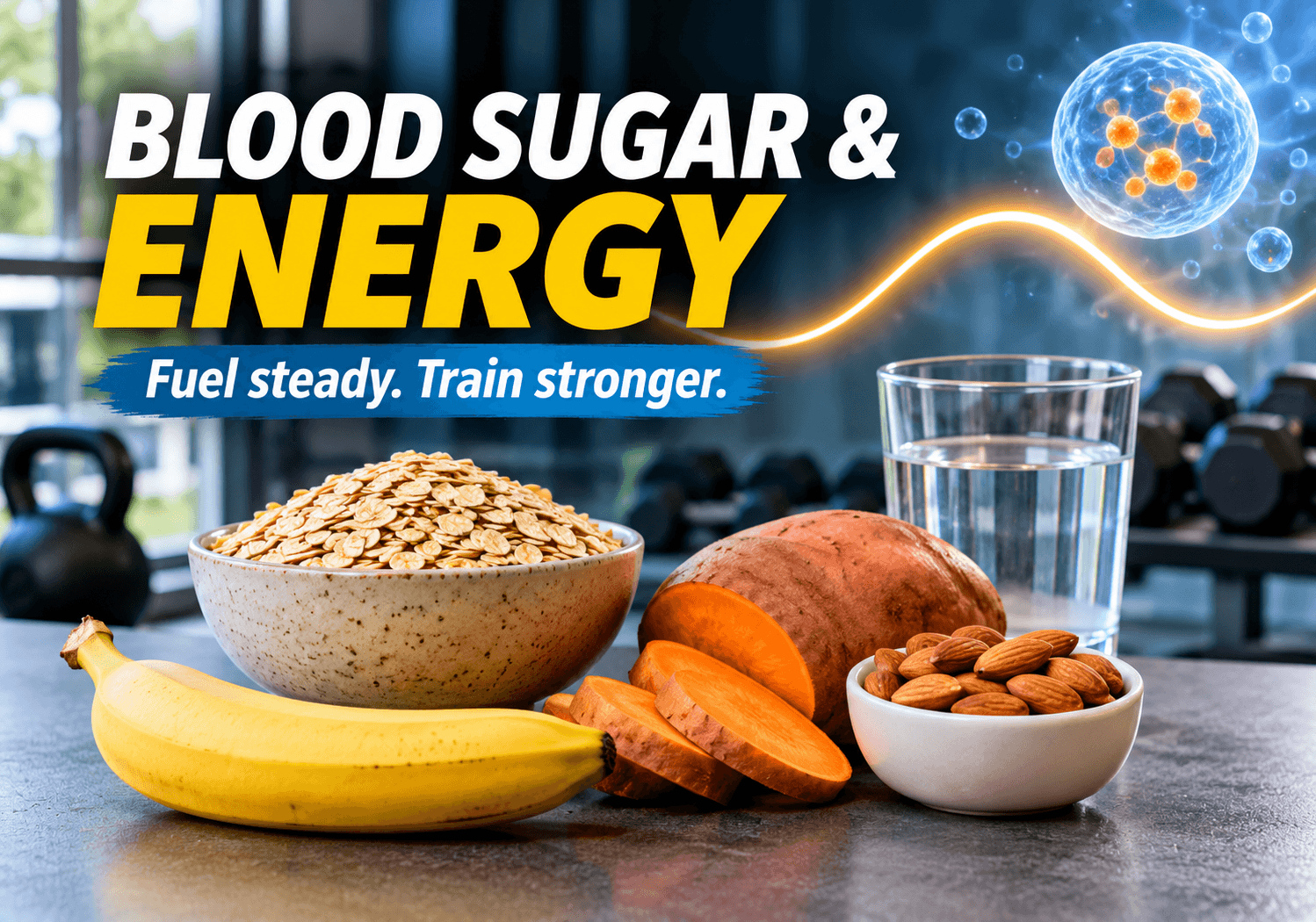
Understanding exactly how blood sugar affects energy levels is the key to unlocking consistent, high-quality workouts and avoiding the dreaded mid-afternoon crash. As a strength and conditioning coach, I see clients struggle with fatigue daily. Often, the culprit is not a lack of effort, but unstable glucose metabolism. When your blood glucose spikes and crashes, your workout performance, recovery, and daily motivation take a direct hit.
This guide breaks down the science of glucose in simple terms. We will explore practical, evidence-based strategies to fuel your body, optimize your training, and maintain stable energy throughout the day. Whether you are a gym beginner or an experienced lifter, mastering your metabolic response will transform your results.
Quick Answer
How does blood sugar affect energy? Blood sugar (glucose) is your body’s primary fuel source. When levels are stable, your cells produce steady ATP (cellular energy), supporting focused, powerful workouts. When levels spike and crash due to poor food choices or long fasting windows, you experience fatigue, brain fog, and reduced strength. Eating complex carbohydrates paired with protein before training prevents these crashes.
How Blood Sugar Affects Energy Levels: The Basic Science
To manage your energy, you must first understand the machinery under the hood. Glucose is a simple sugar that serves as the primary energy source for your brain and skeletal muscles. When you eat carbohydrates, your digestive system breaks them down into glucose, which enters your bloodstream.
Your pancreas responds to this rise in blood glucose by releasing insulin. Insulin acts like a key, unlocking your cells so glucose can enter and be used for immediate energy or stored as glycogen in your muscles and liver. This process is tightly regulated. According to the National Institutes of Health (NIH), maintaining glucose homeostasis is critical for both cognitive function and physical performance.
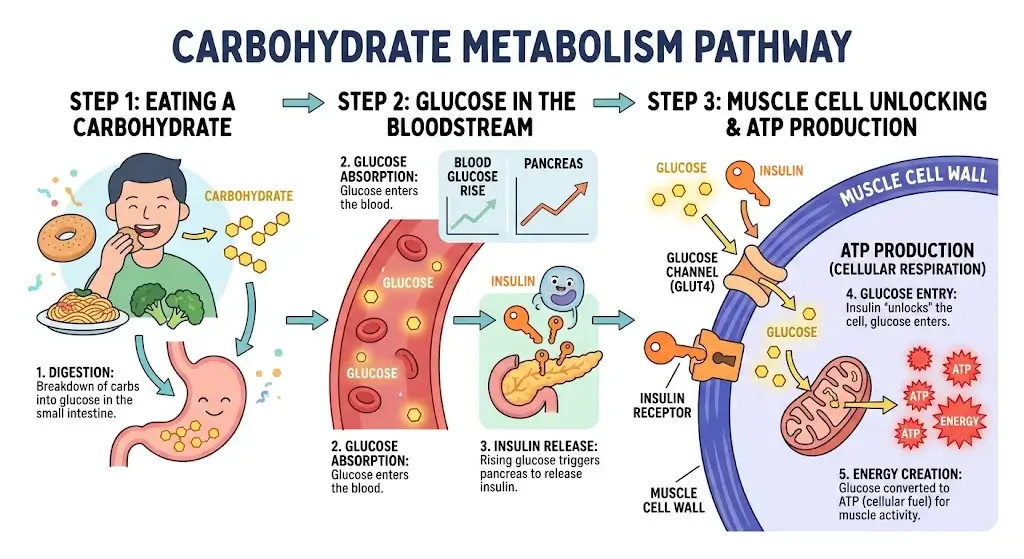
When you exercise, your muscles demand more energy. They pull glucose directly from the bloodstream and tap into stored glycogen. This is why pre-workout nutrition is so heavily emphasized in sports science. The American College of Sports Medicine (ACSM) states that adequate carbohydrate intake before exercise maintains blood glucose levels and delays fatigue.
However, the type of carbohydrate matters immensely. Simple sugars (like soda or candy) cause a rapid spike in blood glucose, followed by a massive insulin surge. This often leads to reactive hypoglycemia, or a “sugar crash,” where blood sugar drops below baseline, leaving you feeling sluggish and weak. Conversely, complex carbohydrates (like oats or sweet potatoes) digest slowly, providing a steady drip of glucose into the bloodstream. This steady supply is what supports sustained, stable energy throughout the day.
Blood Sugar States and Their Impact on Workout Performance
Your current metabolic state dictates how you will perform in the gym. Below is a breakdown of common blood sugar states and their direct impact on your training.
| Blood Sugar State | What It Is | Impact on Workout Performance | Physical Symptoms |
| Optimal (Euglycemia) | Normal, stable fasting levels (70–99 mg/dL). | High focus, strong muscle contractions, good endurance. | Alert, motivated, steady breathing. |
| Post-Meal Spike | Rapid rise after high-sugar foods (>140 mg/dL temporarily). | Initial burst of energy followed by rapid fatigue and loss of coordination. | Jittery, then suddenly heavy limbs and brain fog. |
| Reactive Hypoglycemia | Blood sugar drops too low (<70 mg/dL) after a spike. | Severe drop in strength, dizziness, inability to complete sets. | Shaky, sweaty, irritable, nauseous. |
| Fasted State | Low liver glycogen after 8+ hours without food. | Reduced power output, body may break down muscle for fuel. | Lightheaded, weak grip strength, low motivation. |
Note: These ranges are general educational guidelines. Individuals with diabetes or metabolic conditions should follow their doctor’s specific targets.
Practical Steps: Managing How Blood Sugar Affects Energy Levels in the Gym
Knowing the science is only half the battle. As a coach, I need you to have actionable steps. Here is how to structure your nutrition and training to keep your energy stable and your lifts strong.
1. The Pre-Workout Meal (60–90 Minutes Before)
Your goal here is to top off muscle glycogen without causing an insulin spike that will crash before you lift.
- The Formula: 30–40 grams of complex carbohydrates + 15–20 grams of lean protein.
- Example: 1 medium banana (120 grams) with 1 scoop of whey protein (30 grams) mixed in water, or 1 cup of cooked oatmeal (80 grams) with 2 tablespoons of peanut butter (32 grams).
- Why it works: The fiber and protein slow gastric emptying, ensuring a steady release of glucose into your bloodstream right as you begin your warm-up. Research in the Journal of Strength and Conditioning Research supports that this macronutrient pairing improves time to exhaustion and perceived energy levels.
2. Intra-Workout Fueling (For Sessions Over 60 Minutes)
If your workout exceeds an hour, or if you are doing high-volume hypertrophy training, your glycogen stores will deplete.
- The Strategy: Sip on a beverage containing 15–20 grams of easily digestible carbohydrates (like a sports drink or dextrose powder) mixed with electrolytes.
- Coach’s Tip: Do not chug this. Sip it slowly between sets. This provides a trickle of glucose to the brain and muscles, staving off central nervous system fatigue without spiking your insulin.
3. The Post-Workout Recovery Window (Within 60 Minutes After)
After training, your muscles are like dry sponges, highly sensitive to insulin. This is the one time a faster-digesting carbohydrate is beneficial.
- The Formula: A 2:1 or 3:1 ratio of carbohydrates to protein.
- Example: A protein shake with a large apple, or 6 ounces (170 grams) of grilled chicken breast with 1 cup (150 grams) of white rice.
- Why it works: This rapidly replenishes glycogen stores and initiates muscle protein synthesis, setting you up with full energy tanks for your next session.
COACH’S TIP: Always pair your carbohydrates with a source of fiber, protein, or healthy fat. For example, if you crave an apple before the gym, eat it with a handful of almonds (about 1 oz or 28 grams). The fat and protein blunt the glycemic response, turning a potential energy crash into a steady, 2-hour fuel source.
COMMON MISTAKE: Training completely fasted after a long day of work without eating since lunch. While fasted cardio has its place for specific metabolic goals, attempting a heavy, 45-minute strength session in this state often leads to premature fatigue, poor form, and a higher risk of injury due to dizziness or lack of focus.

Sample “Stable Energy” Full-Body Workout
To put this into practice, here is a foundational, full-body resistance training routine designed to be completed in about 45 minutes. This duration is optimal for managing cortisol and preventing excessive glycogen depletion.
Perform this routine 2 to 3 times per week, with at least one rest day between sessions. Rest for 60 to 90 seconds between each set.
| Exercise | Sets | Reps | Rest | Focus |
| Goblet Squat | 3 | 8–10 | 90 sec | Lower body strength, core stability |
| Dumbbell Bench Press | 3 | 8–10 | 90 sec | Upper body pushing strength |
| Seated Cable Row | 3 | 10–12 | 60 sec | Upper body pulling, posture |
| Romanian Deadlift (RDL) | 3 | 10–12 | 90 sec | Hamstring and glute development |
| Plank | 3 | 30–45 sec | 60 sec | Core endurance, spinal stability |
Exercise Execution and Form Cues
- Goblet Squat: Hold one dumbbell (e.g., 25 lb / 11 kg) vertically against your chest. Keep your elbows tucked. Sit back and down as if aiming for a chair, keeping your chest proud. Drive through your mid-foot to stand.
- Dumbbell Bench Press: Lie on a flat bench. Press two dumbbells (e.g., 30 lb / 13.5 kg each) upward until your arms are straight, then lower them slowly until your elbows are just below the bench.
- Seated Cable Row: Sit tall, pull the handle toward your lower ribcage, and squeeze your shoulder blades together. Avoid leaning back excessively.
- Romanian Deadlift: Hold dumbbells in front of your thighs. Hinge at your hips, pushing your glutes backward while keeping a slight bend in your knees. Lower the weights until you feel a deep stretch in your hamstrings (usually just below the knee), then squeeze your glutes to return to standing.
- Plank: Support your body on your forearms and toes. Keep your body in a straight line from your head to your heels. Do not let your hips sag.
Regression and Progression
Every athlete starts somewhere. Adjust the workout to match your current fitness level.
- Regression (Easier): If a standard Goblet Squat is too heavy, perform a Bodyweight Box Squat, sitting down to a bench that is 16 inches (40 cm) high. For the push-up or pressing movement, use an incline bench set at a 45-degree angle to reduce the load.
- Progression (Harder): If the workout feels too easy, increase the weight by 5 lb (2.2 kg) increments. For the plank, progress to a RKC Plank by actively squeezing your glutes and quads as hard as possible, reducing the hold time to 15–20 seconds of maximum tension.

Building Metabolic Flexibility for Long-Term Energy
While managing pre-workout carbs is crucial, your ultimate goal should be building metabolic flexibility. This is your body’s ability to efficiently switch between burning glucose and burning stored body fat for fuel.
When you are metabolically flexible, you do not experience severe energy crashes when you miss a meal. Your body seamlessly transitions to using fat stores, keeping your energy levels stable. You can learn more about how to boost metabolic flexibility without crash dieting through consistent training and smart nutrition.
To build this flexibility:
- Prioritize Protein: Ensuring adequate protein intake and metabolism supports muscle retention, which is the largest sink for glucose disposal in the body. More muscle means better blood sugar management.
- Incorporate Daily Movement: Non-exercise activity thermogenesis (NEAT), like walking 1 to 2 miles (1.6 to 3.2 km) daily, improves insulin sensitivity without stressing the central nervous system.
- Eat High-Fiber Foods: Research confirms that dietary fiber helps with appetite and significantly blunts the post-meal blood glucose spike, leading to smoother energy curves.
Safety Notes and Related Tips
While optimizing your nutrition for energy is highly effective, safety must always come first.
When to See a Doctor: If you frequently experience extreme fatigue, unexplained weight changes, excessive thirst, or dizziness during workouts, consult a healthcare provider. These can be signs of underlying metabolic conditions like insulin resistance, prediabetes, or thyroid dysfunction. Do not attempt to self-diagnose or manage these conditions with supplements alone.
Related Tips for Stable Energy:
- Hydration: Even mild dehydration (a 2% loss of body weight) can mimic the symptoms of low blood sugar, causing fatigue and poor concentration. Aim for at least half your body weight in ounces of water daily.
- Sleep Quality: Poor sleep disrupts the hormones ghrelin and leptin, increasing cravings and impairing glucose tolerance. Prioritize 7 to 9 hours of quality sleep per night.
- Manage Cravings: If you find yourself reaching for sugary snacks post-workout, explore evidence-based methods to stop sugar cravings naturally while maintaining your fitness goals.
- Micronutrients: Deficiencies in certain vitamins can impair mitochondrial function. Ensure your diet includes the best vitamins for energy like B-complex vitamins and magnesium, which are vital cofactors in ATP production.

Frequently Asked Questions (FAQ)
1. Why do I feel tired immediately after eating a carb-heavy meal? This is likely reactive hypoglycemia. A large intake of simple carbohydrates causes a rapid blood sugar spike, prompting a massive insulin release. This overshoots the mark, driving your blood sugar down too low, which triggers fatigue, sleepiness, and brain fog.
2. How long does it take for blood sugar to stabilize after eating? For a balanced meal containing complex carbs, protein, and fiber, blood sugar typically peaks around 60 to 90 minutes after eating and returns to baseline within 2 to 3 hours. Meals high in refined sugar may cause a faster spike and a quicker, more severe crash.
3. Does high blood sugar make you sleepy during a workout? Yes. Hyperglycemia (high blood sugar) can make your blood more viscous and impair efficient oxygen delivery to tissues. It also forces your kidneys to work overtime to excrete excess glucose, leading to dehydration and a profound sense of lethargy and heavy limbs.
4. What foods prevent energy crashes during exercise? Foods with a low to moderate glycemic index are best. Examples include oatmeal, sweet potatoes, brown rice, apples, and bananas. Always pair these with a protein source, like Greek yogurt or a protein shake, to slow digestion and ensure a steady glucose release.
5. Can I build metabolic flexibility if I eat carbs before every workout? Yes. Metabolic flexibility is not about eliminating carbohydrates; it is about teaching your body to use the right fuel at the right time. Eating carbs around your workout fuels performance, while eating lower-carb, high-fiber meals at other times trains your body to efficiently utilize fat stores.
6. How does stress affect blood sugar and workout energy? Chronic stress elevates cortisol, a hormone that signals the liver to release stored glucose into the bloodstream. Over time, this constant elevation can lead to insulin resistance, making it harder for your cells to absorb glucose for energy, resulting in persistent fatigue.
Conclusion
Mastering how blood sugar affects energy levels is one of the most powerful tools you can add to your fitness toolkit. It is not about eliminating carbohydrates or living in fear of sugar. It is about strategic timing, smart food pairings, and consistent movement.
By fueling your body with complex carbohydrates and protein before you train, staying hydrated, and building a foundation of muscle mass, you create a metabolic environment primed for success. You will experience fewer crashes, stronger lifts, and more consistent progress. Start by implementing one or two of the nutritional strategies outlined above in your next workout, and pay attention to how your body responds. Stable energy is not a mystery; it is a habit you can build.