
Understanding how does berberine affect metabolism and weight loss requires looking beyond simple calorie counting. As a strength and conditioning coach, I frequently work with clients, especially women over 40, who hit frustrating weight loss plateaus despite eating well and exercising. Often, the hidden culprit is metabolic inflexibility or declining insulin sensitivity. Berberine, a bioactive compound extracted from plants like goldthread and barberry, has emerged in clinical research as a powerful tool for addressing these exact metabolic roadblocks.
This guide breaks down the science, practical application, and safety protocols of berberine supplementation. We will explore how it interacts with your cellular energy systems, how to pair it with resistance training for optimal fat loss, and what the peer-reviewed literature actually says about its efficacy. If you are looking for evidence-based strategies to support your metabolic health, this comprehensive guide will give you the actionable details you need.
Quick Answer
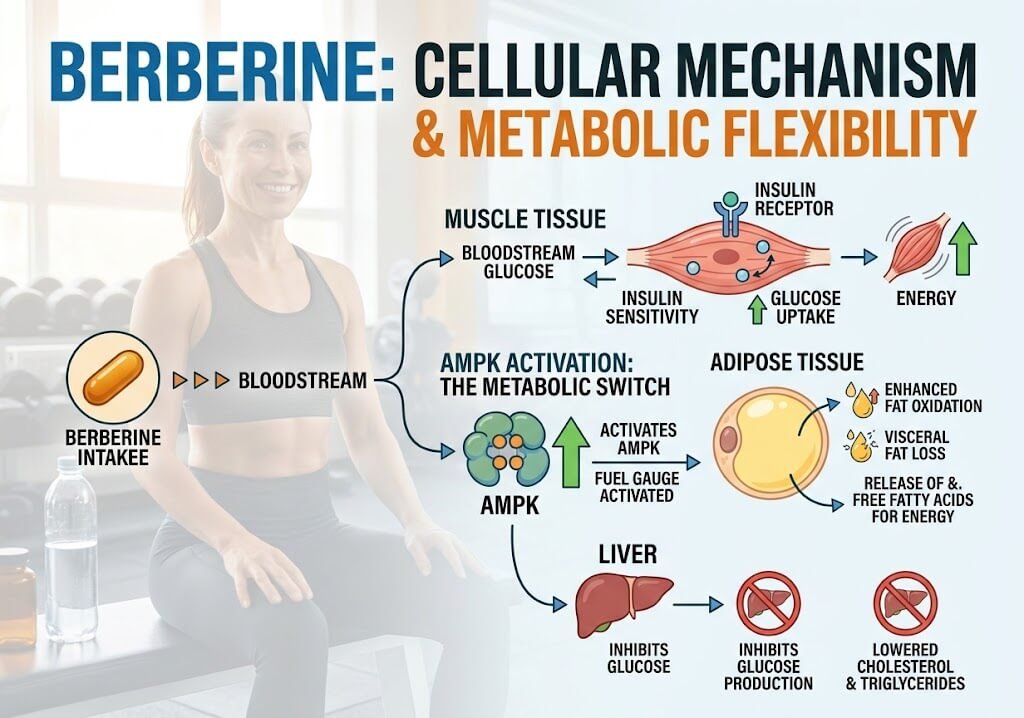
Berberine supports weight loss and metabolism primarily by activating AMPK, an enzyme that regulates cellular energy. This activation improves insulin sensitivity, enhances glucose uptake into muscles, and promotes fat oxidation. Clinical studies suggest taking 500 mg, two to three times daily with meals, alongside a consistent resistance training program, yields the best metabolic results.
The Science: How Does Berberine Affect Metabolism and Weight Loss?
To understand the real value of this supplement, we must look at the cellular level. Berberine does not work like a stimulant-based fat burner that merely increases heart rate. Instead, it acts as a metabolic modulator. It influences several distinct biological pathways that collectively shift the body from a fat-storing state to a fat-burning state.
Activating the AMPK “Metabolic Master Switch”
The most well-documented mechanism of berberine is its ability to activate AMP-activated protein kinase (AMPK). You can think of AMPK as the body’s cellular “fuel gauge.” When cellular energy levels drop, AMPK is activated. Once turned on, it triggers a cascade of events designed to generate more energy.
According to research published in the journal Cell Metabolism, AMPK activation stimulates glucose uptake in skeletal muscle and increases fatty acid oxidation (fat burning) while simultaneously inhibiting the synthesis of cholesterol and triglycerides in the liver. Berberine mimics the effects of calorie restriction and exercise, both of which are natural activators of AMPK. By pharmacologically triggering this switch, berberine helps the body prioritize burning stored adipose tissue for fuel rather than relying solely on circulating glucose.
Improving Insulin Sensitivity and Glucose Uptake
Insulin is the hormone responsible for shuttling glucose (sugar) from your bloodstream into your cells. When you become insulin resistant, your cells stop responding efficiently to insulin. The pancreas then pumps out more insulin to compensate. High circulating insulin levels actively block fat breakdown and promote fat storage, particularly visceral fat around the abdomen.
Berberine has been shown to significantly improve insulin sensitivity. It does this by enhancing the expression of insulin receptors on the surface of cells. A meta-analysis in the Journal of Ethnopharmacology demonstrated that berberine supplementation significantly reduces fasting blood glucose and HbA1c levels, performing comparably to first-line pharmaceutical interventions in some cohorts. By lowering the amount of insulin required to manage blood sugar, berberine creates a hormonal environment that is highly favorable for weight loss. For those exploring natural alternatives, compounds like inositol for insulin sensitivity are also frequently studied for similar glucose-regulating benefits.
Modulating the Gut Microbiome for Fat Loss
Emerging research highlights the gut microbiome as a central regulator of metabolic health. An imbalance in gut bacteria (dysbiosis) is strongly linked to obesity, inflammation, and metabolic syndrome. Berberine is poorly absorbed in the upper gastrointestinal tract, meaning a large portion of it reaches the colon intact.
Once in the colon, berberine acts as a prebiotic-like modulator. Studies indicate it increases the abundance of beneficial short-chain fatty acid (SCFA)-producing bacteria, such as Akkermansia muciniphila and Faecalibacterium prausnitzii. These bacteria strengthen the gut barrier, reduce systemic inflammation, and improve overall energy harvest from food. By reshaping the gut microbiome, berberine addresses one of the root causes of metabolic slowdown, making it easier for the body to regulate weight naturally.
Influencing Lipid Metabolism and Visceral Fat
Weight loss is not just about the number on the scale; it is about the type of tissue lost. Visceral fat, the deep abdominal fat surrounding internal organs, is highly metabolically active and dangerous. Berberine has a profound impact on lipid metabolism.
Research shows that berberine upregulates the low-density lipoprotein (LDL) receptor in the liver, which increases the clearance of LDL cholesterol from the bloodstream. Furthermore, it inhibits the enzyme PCSK9, which normally degrades LDL receptors. The combined effect is a significant improvement in the overall lipid profile, including reductions in total cholesterol, LDL, and triglycerides. This lipid-lowering effect, combined with AMPK activation, specifically targets visceral adipose tissue, leading to meaningful changes in body composition over time.
What the Research Says: Berberine vs. Placebo and Metformin
To separate marketing hype from reality, we must examine the clinical data. Below is a summary of key findings from peer-reviewed human trials investigating berberine’s impact on metabolic markers and weight.
| Study Focus | Intervention | Duration | Key Findings | Source |
| Metabolic Syndrome | 500 mg Berberine, 3x daily | 3 months | Significant reduction in body weight, BMI, waist circumference, fasting glucose, and triglycerides compared to placebo. | Metabolism: Clinical and Experimental |
| Type 2 Diabetes | 500 mg Berberine, 2x daily | 3 months | Lowered HbA1c from 9.5% to 7.5%. Weight loss averaged 2.2 lbs (1 kg). Efficacy matched metformin. | Journal of Clinical Endocrinology & Metabolism |
| PCOS and Weight | 500 mg Berberine, 3x daily | 6 months | Improved insulin sensitivity, reduced testosterone levels, and promoted modest but significant weight loss in women with PCOS. | Clinical Endocrinology |
| Lipid Profile | 500 mg Berberine, 2x daily | 3 months | Reduced total cholesterol by 29%, LDL by 25%, and triglycerides by 35%. | Journal of Clinical Endocrinology & Metabolism |
Note: Individual results vary. These studies represent controlled clinical environments. Always consult a healthcare provider before starting supplementation.
The data consistently shows that berberine is not a rapid weight-loss miracle. The average weight loss observed in these trials ranges from 2 to 5 lbs (0.9 to 2.3 kg) over a 3-month period. However, the concurrent improvements in waist circumference, blood sugar, and cholesterol indicate that the weight lost is primarily harmful visceral fat, which is a massive victory for long-term metabolic health.
How to Apply Berberine for Metabolism and Weight Loss
Knowing the science is only half the battle. As a coach, I emphasize that supplements are merely tools. Their effectiveness is entirely dependent on how they are integrated into your daily nutrition and training protocols. Here is a practical, step-by-step guide to using berberine effectively.
Optimal Dosage and Timing
Because berberine has a short half-life of only a few hours, taking one large dose is ineffective and increases the risk of stomach upset. The clinically validated dosing protocol is:
- Dose: 500 mg per serving.
- Frequency: 2 to 3 times per day.
- Timing: 15 to 30 minutes before your largest carbohydrate-containing meals.
Taking it before a meal ensures that the compound is active in your bloodstream when the glucose from your food hits your system. This maximizes its ability to shuttle that glucose into muscle cells rather than allowing it to be stored as fat. Do not exceed 1,500 mg per day without direct medical supervision, as higher doses do not yield proportionally better results and significantly increase gastrointestinal distress.
Dietary Synergy: Fueling the Metabolic Shift
Berberine works best when your diet supports its mechanisms. If you consume massive amounts of refined sugar, you will overwhelm berberine’s capacity to manage glucose. To maximize its effects, implement these dietary habits:
- Prioritize Protein: Aim for 0.8 to 1 gram of protein per pound (1.8 to 2.2 grams per kg) of your target body weight. Protein has a high thermic effect, meaning your body burns more calories digesting it. It also preserves lean muscle mass during weight loss.
- Increase Soluble Fiber: Consume at least 25 to 30 grams of fiber daily. Foods like 1 cup (150 grams) of raspberries, 1 medium apple, or 1/2 cup (90 grams) of cooked lentils slow down gastric emptying. This prevents blood sugar spikes, working in perfect harmony with berberine.
- Time Your Carbohydrates: Center your carbohydrate intake around your workouts. Your muscles are most insulin-sensitive during and after exercise, making this the optimal window for berberine to drive glucose into muscle glycogen stores.
Exercise Integration: The Metabolic Multiplier
Berberine mimics some effects of exercise, but it cannot replace it. Resistance training is the most powerful natural activator of AMPK and the greatest builder of insulin-sensitive muscle tissue. When you combine berberine with a structured lifting program, the effects are synergistic.
Below is a sample full-body resistance training routine designed to maximize metabolic rate and insulin sensitivity. Perform this routine 3 days per week, with at least one rest day between sessions.
| Exercise | Sets | Reps | Rest | Tempo | Coach’s Cue |
| Goblet Squat | 3 | 10-12 | 90 sec | 3-1-1 | Keep chest up, drive through mid-foot. |
| Dumbbell Romanian Deadlift | 3 | 10-12 | 90 sec | 3-1-1 | Push hips back, feel the stretch in hamstrings. |
| Incline Dumbbell Press | 3 | 10-12 | 90 sec | 2-1-1 | Retract shoulder blades, control the descent. |
| Seated Cable Row | 3 | 10-12 | 90 sec | 2-1-1 | Pull with elbows, squeeze shoulder blades. |
| Plank | 3 | 30-45 sec | 60 sec | Hold | Brace core as if preparing for a punch. |
Coach’s Tip: Focus on the eccentric (lowering) phase of each lift. A controlled 3-second descent causes more muscle micro-tearing, which requires more energy (calories) to repair, thereby elevating your resting metabolic rate for up to 48 hours post-workout.
Common Mistake: Rushing through the workout to “burn more calories.” This compromises form, reduces muscle tension, and increases injury risk. Quality of movement always trumps speed. Metabolic damage from a joint injury will halt your weight loss progress far more than a slightly shorter workout. Understanding how many joints are in the human body and how to protect them with proper form is foundational to long-term fitness success.
Regression (Easier Version): If you are new to lifting, perform bodyweight squats, use lighter dumbbells for the deadlifts, and do the rows on a chest-supported machine to protect your lower back. Progression (Harder Version): Increase the weight by 5 lb (2.3 kg) once you can complete the top end of the rep range (e.g., 12 reps) with perfect form for two consecutive sessions.

Safety Notes and Potential Side Effects of Berberine
While berberine is a natural compound, “natural” does not automatically mean “safe for everyone.” Because it is biologically active and potently affects metabolic pathways, it carries specific risks and contraindications that must be respected.
Common Side Effects
The most frequently reported side effects of berberine are gastrointestinal. Because it interacts with the gut microbiome and can alter gut motility, some users experience:
- Diarrhea or loose stools
- Constipation
- Abdominal cramping or bloating
- Nausea
How to mitigate this: Always start with a lower dose (e.g., 500 mg once daily) for the first week to assess tolerance. Take it strictly with food, never on an empty stomach. If GI issues persist, discontinue use.
Drug Interactions: The CYP450 Enzyme System
This is the most critical safety consideration. Berberine is a known inhibitor of several cytochrome P450 (CYP450) enzymes in the liver, particularly CYP2D6 and CYP3A4. These enzymes are responsible for metabolizing a vast array of prescription medications.
If berberine inhibits these enzymes, the medications can build up to toxic levels in your bloodstream. Berberine can dangerously interact with:
- Metformin and other diabetes medications: Combining them can cause hypoglycemia (dangerously low blood sugar).
- Blood pressure medications: It may amplify their effects, causing hypotension.
- Blood thinners (e.g., Warfarin): It can increase the risk of bleeding.
- Immunosuppressants and certain antidepressants: Altered metabolism can lead to adverse effects.
If you take any prescription medication, you must consult your prescribing physician before adding berberine to your regimen.
Who Should Avoid Berberine
- Pregnant or Nursing Women: Berberine can cross the placenta and has been shown in animal studies to cause uterine contractions. It can also be passed through breast milk, posing a risk of kernicterus (a type of brain damage) to newborns.
- Infants and Young Children: Due to the risk of kernicterus, it is strictly contraindicated.
- Individuals with Liver Disease: While it supports liver health in metabolic syndrome, those with pre-existing, severe liver conditions should avoid it due to the hepatic metabolism burden.
Related Tips for Maximizing Metabolic Health
Berberine is highly effective, but metabolic health is a multi-system puzzle. Pairing berberine with other evidence-based lifestyle and supplement strategies can amplify your results.
Synergy with Blood Flow and Nitric Oxide Support
Metabolic health and cardiovascular health are inextricably linked. Improving blood flow ensures that the glucose and fatty acids mobilized by berberine are efficiently delivered to working muscles. Compounds that support nitric oxide healthy blood vessel function can enhance exercise performance and nutrient partitioning.
Many athletes and fitness enthusiasts explore how L-citrulline helps produce nitric oxide to improve workout endurance and recovery. When your blood vessels are dilated and healthy, your muscles receive more oxygen and nutrients, making your resistance training sessions more effective. This creates a positive feedback loop: better workouts lead to more muscle mass, which in turn improves baseline insulin sensitivity.
Evaluating Other Metabolic Supports
If berberine is not well-tolerated, or if you are looking for complementary support, other nutrients have strong clinical backing. For example, research into whether chromium picolinate supports glucose metabolism shows it can be a mild, safe adjunct for managing sugar cravings and supporting insulin function.
When comparing amino acids for circulation, understanding the nuances of L-arginine vs L-citrulline for blood flow can help you choose the right pre-workout support to pair with your metabolic-focused training days. Always introduce one new supplement at a time to monitor how your body responds.


Frequently Asked Questions About Berberine and Weight Loss
1. Does berberine really help you lose weight? Yes, but modestly. Clinical trials show an average weight loss of 2 to 5 lbs (0.9 to 2.3 kg) over 3 months. Its true value lies in reducing visceral fat and improving metabolic markers like blood sugar and cholesterol, which facilitates sustainable, long-term body composition changes.
2. How long does it take for berberine to work for weight loss? You may notice improvements in blood sugar stability within the first 1 to 2 weeks. However, measurable changes in weight, waist circumference, and lipid profiles typically require 8 to 12 weeks of consistent, daily use alongside a proper diet and exercise routine.
3. What is the best time to take berberine for metabolism? The optimal time is 15 to 30 minutes before your largest meals, particularly those containing carbohydrates. This timing ensures peak blood concentrations of berberine coincide with the glucose spike from your food, maximizing glucose uptake into muscles.
4. Can berberine replace metformin for weight loss? No. While some studies show berberine has similar efficacy to metformin in lowering blood sugar, you should never replace a prescribed medication with a supplement without explicit guidance from your doctor. They can also interact dangerously if taken together.
5. Does berberine cause muscle loss during weight loss? No. Unlike severe calorie restriction, berberine does not inherently cause muscle catabolism. In fact, by improving insulin sensitivity, it may help shuttle nutrients into muscle tissue. However, you must consume adequate protein and perform resistance training to protect your muscle mass.
6. Can I take berberine with other weight loss supplements? Proceed with extreme caution. Avoid stacking berberine with other potent blood-sugar-lowering agents or stimulant-heavy fat burners without medical supervision. The combined effect can lead to hypoglycemia, excessive drops in blood pressure, or severe gastrointestinal distress.
Conclusion
Understanding how does berberine affect metabolism and weight loss reveals a compound that works intelligently with the body’s natural regulatory systems. By activating AMPK, improving insulin sensitivity, modulating the gut microbiome, and enhancing lipid metabolism, berberine offers a scientifically backed approach to overcoming metabolic plateaus.
However, it is not a standalone solution. The most successful outcomes occur when berberine is used as a supportive tool within a broader strategy. This includes consuming a nutrient-dense, high-protein, high-fiber diet, and engaging in consistent, progressive resistance training. Always prioritize safety by adhering to the 500 mg, 2-3 times daily dosing protocol, taking it with meals, and consulting your healthcare provider to rule out dangerous drug interactions.
Metabolic health is a marathon, not a sprint. By combining evidence-based supplementation with disciplined lifestyle habits, you can build a stronger, more resilient body that efficiently manages energy for years to come.