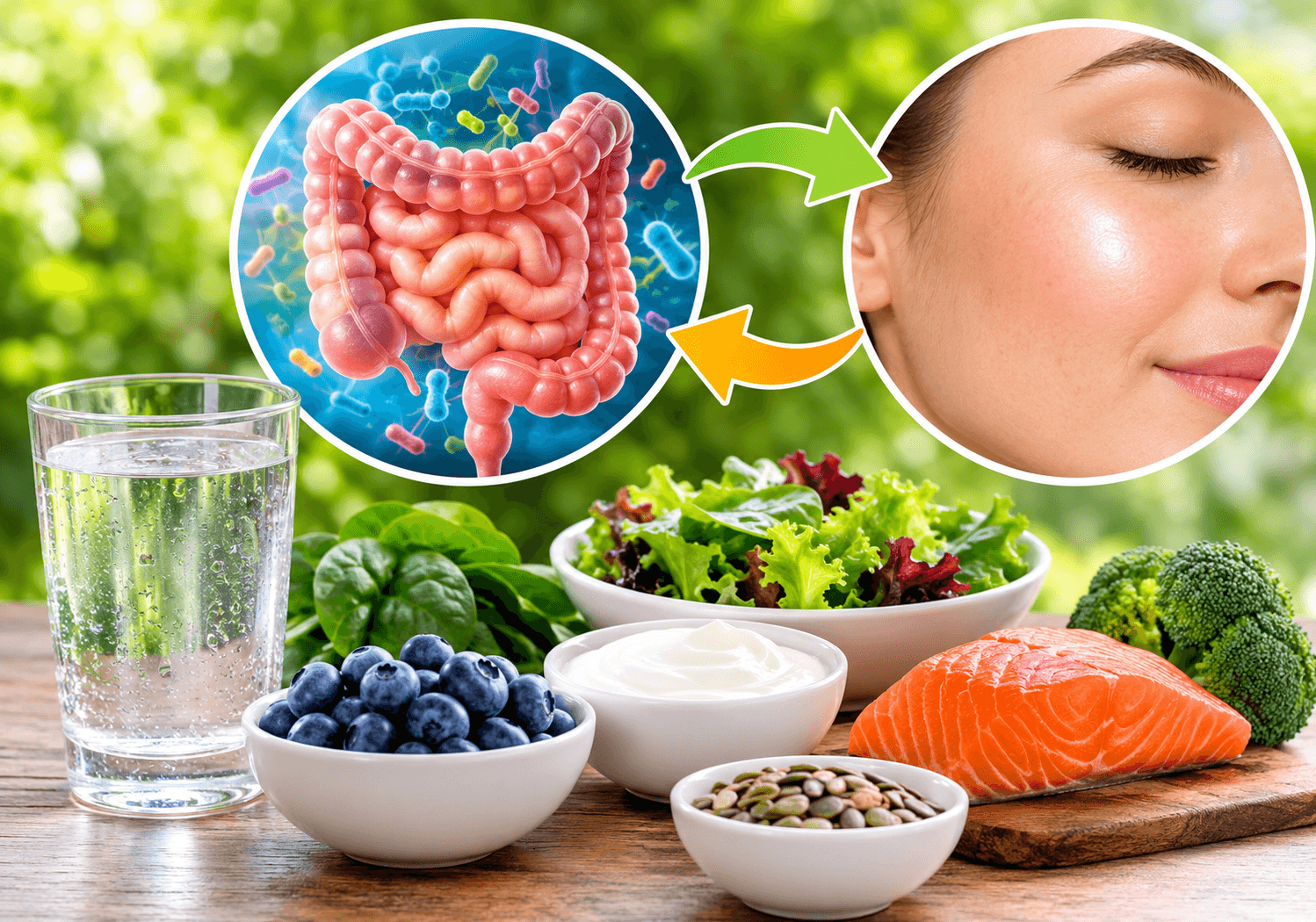
You drink the water, apply the serums, and eat your vegetables, but your skin still looks dull and tired. The missing link to true radiance might actually be hiding in your digestive tract. If you are wondering how does gut health affect skin glow, the answer lies in a powerful biological highway known as the gut-skin axis.
Quick Answer
Your gut microbiome controls systemic inflammation, nutrient absorption, and hormone balance. When your gut bacteria are balanced, they produce short-chain fatty acids that reduce inflammation and support collagen production, leading to a clear, hydrated, and natural skin glow. Dysbiosis triggers breakouts and dullness.
The Science: How Does Gut Health Affect Skin Glow?
Your digestive system and your skin share a deep, complex relationship that scientists call the gut-skin axis. Both organs act as massive protective barriers, keeping harmful toxins out while letting essential nutrients in. They also communicate constantly through your immune system, your nervous system, and your endocrine hormones.
When your gut lining is healthy, it acts like a strict security gate. It absorbs vitamins, minerals, and amino acids that your skin needs to build collagen and elastin. It also blocks harmful bacteria and undigested food particles from entering your bloodstream.
However, an imbalance in your gut bacteria—known as dysbiosis—weakens this security gate. This condition is often called intestinal permeability or “leaky gut.” When the gut barrier opens up, inflammatory compounds escape into your blood and travel directly to your skin.
Once these inflammatory compounds reach your skin, they trigger an immune response. This response can break down existing collagen, increase sebum production, and cause redness or acne. Over time, this chronic inflammation leads to premature aging and a dull, uneven complexion.

The Biological Pathways to Radiant Skin
The first major pathway is nutrient absorption. You are not just what you eat; you are what you actually absorb. A healthy gut microbiome helps synthesize essential B vitamins and vitamin K, while also improving the absorption of skin-loving minerals like zinc and selenium.
The second pathway involves short-chain fatty acids (SCFAs). When your good gut bacteria ferment dietary fiber, they produce SCFAs like butyrate. These fatty acids travel through your body to powerfully lower systemic inflammation and protect your skin cells from oxidative stress.
The third pathway is hormone regulation. Your gut contains a special collection of bacteria called the estrobolome. These specific microbes produce enzymes that help metabolize and clear excess estrogen from your body, preventing the hormonal fluctuations that often cause stubborn jawline acne.
The Gut-Brain-Skin Axis and Stress
Psychological stress plays a massive role in this entire system. When you are stressed, your brain releases cortisol and other stress hormones that directly alter your gut environment. This biological loop is known as the gut-brain-skin axis, and it explains why breakouts often happen during stressful weeks.
High cortisol levels slow down your digestion and reduce the protective mucus layer in your gut. This allows harmful bacteria to overgrow and trigger systemic inflammation. That inflammation quickly shows up on your face as eczema, rosacea, or severe dullness.
Managing your stress is just as important as eating well. Practices like deep breathing, walking in nature, and getting enough sleep help keep your nervous system calm. A calm nervous system keeps your gut lining strong and your skin clear.
Table: Gut Health Markers and Their Skin Effects
Understanding the physical signs of your gut health can help you troubleshoot your skincare routine. Here is a quick guide to what your skin might be telling you about your digestion.
| Gut Health Marker | Common Digestive Signs | Visible Skin Effects |
| Balanced Microbiome | Regular bowel movements, minimal bloating | Clear complexion, natural hydration, even tone |
| Dysbiosis (Imbalance) | Gas, constipation, or loose stools | Dullness, uneven texture, premature fine lines |
| Intestinal Permeability | Food sensitivities, fatigue, joint pain | Cystic acne, rosacea flare-ups, redness |
| Low Stomach Acid | Bloating immediately after meals, indigestion | Dry patches, poor wound healing, brittle nails |
| Estrobolome Imbalance | PMS symptoms, irregular cycles | Hormonal acne along the jawline and chin |
Practical Application: How Does Gut Health Affect Skin Glow?
As a strength and conditioning coach, I teach my clients that movement is medicine for the gut. Regular physical activity increases the diversity of your gut microbiome, which is a primary marker of overall health. Exercise also stimulates gut motility, helping your body efficiently clear out waste and toxins.
However, the type of exercise matters immensely for your skin. High-intensity interval training (HIIT) is fantastic for cardiovascular fitness, but doing it every day can spike cortisol and divert blood flow away from your gut. This temporary lack of blood flow can irritate the gut lining and trigger inflammatory skin responses.
For the best skin glow, I recommend prioritizing Zone 2 cardio. This means exercising at a steady, conversational pace where your heart rate stays between 60% and 70% of its maximum. This gentle intensity boosts circulation to your skin and gut without causing physical stress.

The Gut-Skin Circulation Protocol
- Frequency: 3 to 4 days per week.
- Duration: 30 to 45 minutes per session.
- Distance Goal: 2 to 3 miles (3.2 to 4.8 km) per session.
- Intensity: You should be able to speak in full sentences without gasping for air.
- Rest: Take 1 or 2 rest days between sessions to allow your nervous system to recover.
Easier Version (Regression): If jogging is too hard on your joints, start with brisk walking. Walk on a flat surface for 20 minutes, focusing on deep nasal breathing to keep your nervous system calm.
Harder Version (Progression): If you want more resistance, try rucking. Wear a weighted vest or backpack weighing 15 to 20 lb (6.8 to 9 kg) while you walk up gentle hills. This builds muscular endurance while keeping your heart rate in the optimal Zone 2 range.
The Role of the Mucosal Immune System
Your gut houses roughly 70% of your entire immune system, mostly within a network called the gut-associated lymphoid tissue (GALT). This tissue constantly monitors the foods and bacteria passing through your digestive tract. When it detects a threat, it releases immune cells and antibodies to neutralize the danger.
If your gut lining is compromised, the GALT becomes hyperactive and triggers chronic, low-grade inflammation. This systemic inflammation travels through your bloodstream and settles in peripheral tissues, including your skin. The result is often a compromised skin barrier, increased sensitivity, and conditions like eczema or psoriasis.
To calm the mucosal immune system, you need to remove chronic irritants from your diet. Processed seed oils, artificial emulsifiers, and excessive alcohol can strip away your protective gut mucus. Replacing these with whole, anti-inflammatory foods allows your immune system to stand down and your skin to heal.
How Hydration Impacts the Gut Lining and Skin Barrier
Water is the foundational building block for both your digestive tract and your epidermis. Your gut relies on a thick, healthy layer of mucus to keep beneficial bacteria attached to the intestinal wall. Without adequate hydration, this mucus layer thins out, allowing harmful pathogens to reach the gut lining and cause inflammation.
On the outside, your skin cells require massive amounts of water to maintain their plump, resilient structure. Dehydrated skin cannot effectively shed dead cells, leading to a dull, ashy appearance and clogged pores. Proper hydration ensures that your gut absorbs nutrients efficiently while your skin maintains its natural, dewy elasticity.
A good rule of thumb is to drink at least half your body weight in ounces of water every day. If you weigh 160 lb (72.5 kg), you should aim for about 80 ounces (2.3 liters) of plain water daily. Add an extra 16 to 24 ounces (0.47 to 0.7 liters) for every hour you spend exercising or sweating.
Foods That Damage the Gut-Skin Axis
Certain foods actively destroy the tight junctions in your gut lining, leading to immediate skin flare-ups. Refined sugars and high-fructose corn syrup feed pathogenic bacteria and yeast, creating an environment of dysbiosis. This microbial imbalance quickly translates into increased sebum production and inflammatory acne on your face and body.
Artificial emulsifiers, commonly found in highly processed foods and protein bars, act like detergents in your digestive tract. They strip away the protective mucus layer, exposing your gut lining to harmful bacteria and toxins. This exposure triggers an immune response that often manifests as redness, puffiness, and accelerated skin aging.
Excessive alcohol consumption is another major disruptor of the gut-skin axis. Alcohol increases intestinal permeability and depletes your body of vital skin-building nutrients like vitamin A and zinc. Limiting your intake and prioritizing water between beverages is a simple way to protect both your digestion and your complexion.
Foods That Heal the Gut-Skin Axis
Bone broth is a powerhouse for repairing a leaky gut and restoring skin elasticity. It is rich in collagen, gelatin, and amino acids like glutamine, which directly fuel the cells lining your intestines. Drinking a warm cup of bone broth daily can help seal tight junctions and reduce systemic inflammation.
Fermented foods provide a natural, diverse array of beneficial bacteria that you cannot get from a single supplement. Options like plain kefir, unsweetened yogurt, sauerkraut, and kimchi introduce live microbes directly to your digestive tract. These foods also contain organic acids that help maintain the proper pH level in your gut and on your skin.
Polyphenol-rich foods act as prebiotics, feeding the specific bacteria that produce anti-inflammatory short-chain fatty acids. Blueberries, dark chocolate, green tea, and colorful vegetables are packed with these powerful plant compounds. Eating a wide variety of colors ensures your microbiome gets the diverse fuel it needs to keep your skin glowing.
Top Supplements and Foods for the Gut-Skin Axis
Food and targeted supplementation can rapidly repair your gut lining and restore your natural glow. The foundation of any gut-healing protocol is dietary fiber. Fiber feeds your good bacteria, allowing them to produce those vital, anti-inflammatory short-chain fatty acids.
Most adults need at least 25 to 35 grams of fiber daily from sources like chia seeds, raspberries, and leafy greens. If you struggle to hit this target, adding a daily soluble fiber supplement can significantly improve both your digestion and your skin hydration. Can dietary fiber help with appetite and weight management?
Probiotics are the next critical piece of the puzzle. Specific strains like Lactobacillus rhamnosus and Bifidobacterium longum have been shown to reduce skin sensitivity and improve barrier function. Probiotics for appetite and weight management also support the microbial diversity needed to keep systemic inflammation low.
Omega-3 fatty acids are powerful anti-inflammatory agents that work synergistically with a healthy gut. They help maintain the lipid barrier of your skin, locking in moisture and keeping environmental toxins out. Omega-3 fatty acids for skin hydration and inflammation are essential for anyone dealing with dry, flaky, or irritated skin.
Collagen peptides provide the exact amino acids your body needs to rebuild the gut lining and the dermal layer of your skin. Taking 10 to 15 grams daily, especially when paired with vitamin C, maximizes tissue repair. The best time to take collagen powder for skin absorption is a great guide for optimizing your daily routine.
Finally, consider adding astaxanthin to your regimen. This potent antioxidant protects your skin cells from UV damage while simultaneously reducing gut inflammation. Astaxanthin supplements for skin glow and anti-aging offer a unique dual-action benefit for your internal and external health.
The Connection Between Stomach Acid and Skin Nutrient Absorption
Many people focus entirely on the intestines and forget about the very first step of digestion: stomach acid. Adequate stomach acid is required to break down proteins into the amino acids your skin needs for collagen synthesis. It also acts as a chemical barrier, killing harmful bacteria and parasites before they reach your gut.
When stomach acid is chronically low, a condition known as hypochlorhydria, food sits in the stomach and ferments. This causes uncomfortable bloating and prevents the absorption of critical minerals like zinc, iron, and calcium. Zinc deficiency, in particular, is strongly linked to delayed wound healing, severe acne, and a dull complexion.
You can support healthy stomach acid by chewing your food thoroughly until it is completely liquefied. Taking a brief walk after meals and avoiding large amounts of ice water during eating can also improve digestive efficiency. If you suspect low stomach acid, consult a healthcare professional before trying acidic supplements like betaine HCl.
How to Do an Elimination Diet to Identify Skin Triggers
Sometimes, even healthy foods can trigger an immune response if your gut lining is compromised. An elimination diet is a structured, short-term protocol used to identify specific food sensitivities that cause skin inflammation. It involves removing common triggers for 30 days, then systematically reintroducing them while monitoring your symptoms.
The most common inflammatory triggers include dairy, gluten, soy, refined sugar, and nightshade vegetables. During the 30-day elimination phase, you will eat a whole-foods diet focused on lean proteins, healthy fats, and easily digestible carbohydrates. Many people report a dramatic clearing of their skin and a drop in systemic bloating during this phase.
The reintroduction phase is where the real detective work happens. You will introduce one eliminated food at a time, eating it twice in a single day, and then waiting three days to observe your body. If you experience breakouts, joint pain, or brain fog, you have identified a trigger that needs to be avoided for optimal skin health.
The Role of Zinc and Vitamin D in the Gut-Skin Axis
Zinc is a master mineral that regulates both gut permeability and skin cell turnover. It helps maintain the tight junctions in your intestinal lining, preventing toxins from leaking into your bloodstream. In the skin, zinc controls sebum production and possesses powerful antibacterial properties that fight acne-causing microbes.
Vitamin D acts more like a hormone than a vitamin, modulating the immune system in both the gut and the skin. Receptors for vitamin D are found throughout your intestinal tract, where they help maintain a peaceful, balanced immune response. Low levels of vitamin D are frequently linked to autoimmune skin conditions like psoriasis and severe eczema.
While you can get zinc from pumpkin seeds and oysters, and vitamin D from sunlight, many adults are deficient. Having your blood levels tested by a doctor is the best way to determine if you need targeted supplementation. Correcting these specific deficiencies often leads to rapid, noticeable improvements in both digestion and skin clarity.
The Impact of Environmental Toxins on the Gut-Skin Axis
Your gut and skin are constantly defending against environmental toxins, from heavy metals to microplastics and pesticide residues. When your liver and gut are overwhelmed by these chemicals, they struggle to eliminate them efficiently. The body then attempts to push these toxins out through secondary pathways, including your sweat glands and your skin.
This toxic overload triggers massive oxidative stress, which breaks down collagen and accelerates the formation of fine lines and wrinkles. Furthermore, many environmental chemicals act as endocrine disruptors, mimicking hormones and causing severe hormonal acne. Reducing your exposure to these toxins is a vital step in protecting your internal and external barriers.
You can lower your toxic burden by choosing organic produce when possible, especially for the “Dirty Dozen” items like strawberries and spinach. Filtering your drinking water and switching to non-toxic, fragrance-free household cleaners also makes a significant difference. Sweating regularly through exercise or sauna use is another excellent way to help your body clear out accumulated chemicals.
Sample 3-Day Gut-Healing Meal Plan for Glowing Skin
This sample menu focuses on high fiber, rich polyphenols, and easily digestible proteins to feed your microbiome. Remember to chew every bite thoroughly and drink water between meals, rather than during them, to protect your stomach acid.
Day 1: Start with a smoothie containing spinach, half a green banana, collagen peptides, and almond milk. For lunch, enjoy a large mixed greens salad with grilled chicken, pumpkin seeds, and an olive oil dressing. Dinner should be baked wild-caught salmon with steamed asparagus and a small portion of white rice.
Day 2: Breakfast is a bowl of oatmeal topped with blueberries, chia seeds, and a dollop of plain kefir. Lunch consists of a hearty bone broth soup with shredded turkey, carrots, and zucchini noodles. Dinner features grass-fed beef meatballs served over spaghetti squash with a simple, low-sugar tomato sauce.
Day 3: Begin with scrambled eggs cooked in ghee, alongside a side of sliced papaya, which contains digestive enzymes. Lunch is a quinoa bowl topped with roasted sweet potatoes, black beans, and a generous scoop of guacamole. Dinner is a mild chicken stir-fry with bok choy, ginger, and garlic, served with a side of fermented kimchi.
Why Topical Skincare is Only Half the Battle
Many people spend hundreds of dollars on serums, peels, and moisturizers without seeing lasting results. Topical products only treat the epidermis, the very outermost layer of your skin. They cannot fix the underlying systemic inflammation, hormonal imbalances, or nutrient deficiencies that originate in your gut.
Think of topical skincare as the paint on a house, while your gut health is the foundation and the framing. If the foundation is cracked and shifting, no amount of expensive paint will keep the house looking good. True, lasting radiance requires treating the root cause from the inside out.
This does not mean you should abandon your skincare routine; sunscreen and gentle cleansers are still essential. However, you should view your topical products as a complement to your internal health, not a replacement for it. When you align your gut health with a smart skincare routine, the results are truly transformative.
Safety Notes and Common Mistakes
Coach’s Tip: Always increase your fiber intake slowly. If you jump from 10 grams to 30 grams of fiber overnight, you will likely experience severe bloating and gas. Add just 5 extra grams of fiber every three days, and drink plenty of water to help it move through your system.
Common Mistake: Overtraining and ignoring recovery. Many people think more sweat equals better skin, so they do intense workouts seven days a week. This chronic physical stress elevates cortisol, damages the gut lining, and ultimately causes inflammatory breakouts. Always prioritize sleep and rest days.
Because the gut-skin axis involves complex immune and hormonal pathways, it is important to be cautious. If you have a history of severe acne, autoimmune conditions, or chronic digestive issues, please consult a doctor or a registered dietitian before starting new supplements.
Related Tips for Maximum Glow
Your nightly sleep schedule profoundly impacts your gut microbiome and your skin’s repair cycle. During deep sleep, your body releases growth hormone, which repairs the gut lining and stimulates collagen production in the skin. How sleep affects metabolism and weight management explains the deep hormonal connections tied to rest.
Hydration is equally non-negotiable. Your gut needs water to produce the protective mucus layer that keeps good bacteria thriving. Aim to drink at least half your body weight in ounces of water daily, adding an extra 16 ounces (0.47 liters) for every hour of exercise.
Lastly, consider using adaptogens to manage daily stressors. Herbal supplements like ashwagandha and rhodiola help regulate your cortisol response. Adaptogens for stress eating and cortisol management can help keep your gut-brain-skin axis calm during busy weeks.
FAQ
Does fixing your gut clear your skin? Yes, restoring gut balance often clears the skin by lowering systemic inflammation and improving nutrient absorption. When your gut barrier heals, fewer inflammatory toxins enter your bloodstream. This reduction in internal stress directly decreases acne, redness, and excess sebum production, leading to a clearer, brighter complexion over time.
How long does it take for gut health to show on skin? The skin cell turnover cycle takes about 28 days, while the gut lining replaces itself every few days. You may notice better digestion and less bloating within a week, but visible improvements in skin glow, hydration, and clarity typically take four to eight weeks of consistent habits.
What probiotics are best for skin glow? Strains like Lactobacillus rhamnosus, Lactobacillus paracasei, and Bifidobacterium longum are heavily researched for skin benefits. These specific bacteria help strengthen the skin barrier, reduce systemic inflammation, and decrease the substance P neurotransmitter, which is directly linked to excess oil production and inflammatory acne breakouts.
Can poor digestion cause dull skin? Absolutely. If your digestive system is sluggish or lacks beneficial bacteria, you cannot properly absorb fat-soluble vitamins like A, D, E, and K. Without these crucial nutrients, your skin loses its ability to retain moisture and repair cellular damage, resulting in a flat, tired, and dull appearance.
How does sugar affect gut and skin? Refined sugar feeds harmful gut bacteria and yeast, leading to dysbiosis and increased intestinal permeability. Simultaneously, sugar spikes insulin levels, which triggers a process called glycation that damages collagen and elastin fibers. This dual attack causes both internal inflammation and premature wrinkling on the surface of your skin.
Tracking Your Progress: How to Measure Gut and Skin Health
You cannot manage what you do not measure, and tracking your progress keeps you motivated. Start by keeping a simple daily journal noting your digestion, energy levels, and skin appearance. Rate your daily bloating on a scale of one to ten, and take a well-lit selfie every Sunday morning.
Pay attention to your bowel movements, as they are the most direct indicator of gut health. A healthy digestive tract should produce smooth, well-formed stools that pass easily without discomfort. If you notice persistent irregularities, it is a clear signal that you need to adjust your fiber, water, or stress levels.
For your skin, track changes in hydration, texture, and inflammatory breakouts. Notice how your skin feels a few hours after washing your face; it should feel supple, not tight or overly oily. Over a period of eight to twelve weeks, these objective markers will prove that your internal efforts are paying off externally.
Conclusion
Understanding how does gut health affect skin glow completely changes the way we approach beauty and wellness. True radiance does not come from expensive topical creams alone; it starts deep within your digestive tract.
By nourishing your microbiome with fiber, managing daily stress, and moving your body intelligently, you build a strong foundation for lifelong health. Remember that your skin is a direct reflection of your internal environment.