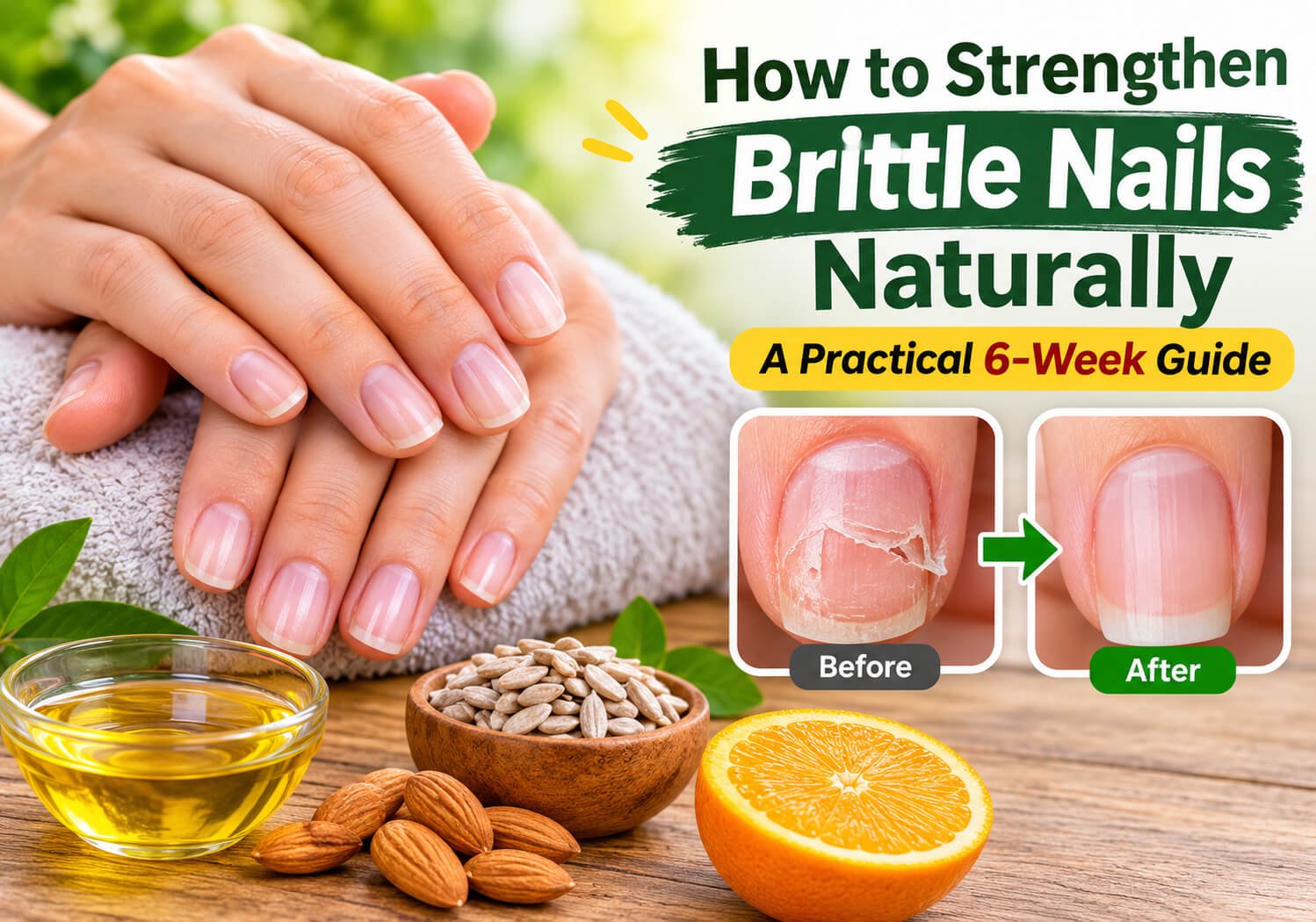
Brittle, peeling nails are more than a cosmetic annoyance. They crack, split, and peel at the edges, making everyday tasks like typing, opening jars, or even washing dishes uncomfortable. The good news is that most brittle nails respond well to consistent, natural care changes. You do not need expensive treatments or harsh chemicals to rebuild a strong nail plate.
The key is a two-pronged approach: feed your body the nutrients it needs to produce healthy keratin, and protect the nail plate from the daily moisture and chemical damage that weakens it. Give it four to six weeks, and you will notice a visible difference in how your nails feel and hold up.
Quick Answer
To strengthen brittle nails naturally, focus on three things: (1) eat enough protein, iron, zinc, and biotin to support keratin production; (2) keep your nails and cuticles moisturized daily with an emollient like jojoba oil or shea butter; and (3) protect your hands from prolonged water exposure, acetone, and harsh soaps. Consistency over 4–6 weeks is what makes the difference.
Why Your Nails Are Brittle: Understanding the Problem
Your fingernails are made of a tough protein called keratin, the same protein found in your hair and skin. The nail plate grows out from the nail matrix, a band of rapidly dividing cells tucked under the cuticle at the base of each nail. Everything that happens to that matrix—nutrition, blood flow, chemical exposure—shows up in the nail you see a few weeks later.
Brittle nails, medically called onychorrhexis (horizontal ridging and splitting) or onychoschizia (layered peeling), usually have one or more of these causes:
- Nutrient gaps. Low protein, iron, zinc, or biotin can slow keratin synthesis and thin the nail plate.
- Moisture imbalance. Too much water soaking (dishes, swimming) swells the nail plate; too little (dry winter air, frequent hand sanitizer) makes it crack.
- Chemical damage. Acetone-based polish removers, gel polish, acrylics, and harsh detergents strip natural oils from the nail and cuticle.
- Mechanical stress. Using nails as tools, aggressive cuticle pushing, or long artificial extensions put repeated micro-stress on the plate.
- Underlying conditions. Thyroid disorders, anemia, psoriasis, and certain medications can manifest as brittle, discolored, or ridged nails.
If your brittleness started suddenly, is uneven across fingers, or comes with skin changes, it is worth mentioning to your doctor. For the gradual, weather- or habit-related kind that most people deal with, the steps below should help.
If you have a diagnosed medical condition, are pregnant, or take medications that affect nail growth, check with your doctor or a dermatologist before starting any new supplement or treatment.
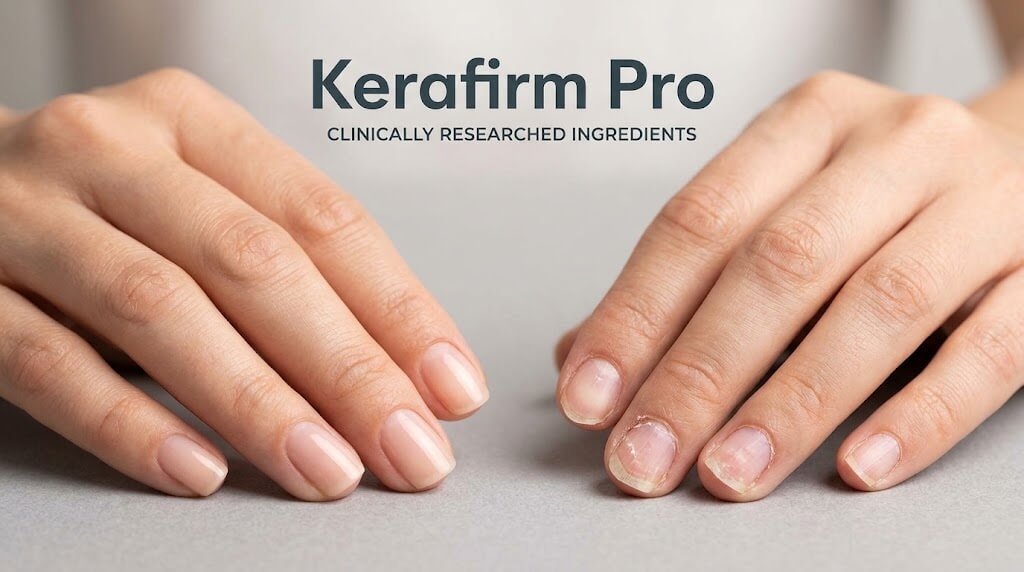
Fix Your Nutrition: The Foundation
You cannot out-moisturize a nutritional deficit. The nail matrix needs a steady supply of building blocks to lay down each new layer of keratin. Here is what the research points to:
Protein
Keratin is a protein. If your overall protein intake is low, your body prioritizes vital organs over peripheral tissue like nails. Aim for roughly 0.8 g of protein per kilogram of body weight per day (about 0.36 g per pound), spread across meals. Lean meats, eggs, Greek yogurt, legumes, and tofu all work. If you follow a low-calorie or plant-based plan, a protein intake guide can help you hit your daily target without overcomplicating meals.
Biotin (Vitamin B7)
Biotin supports the enzymes that build keratin. A small 2017 study published in the Journal of the American Academy of Dermatology found that 2.5 mg of biotin daily for 6–8 months increased nail thickness and reduced splitting in participants with brittle nails. That said, most people who eat a varied diet get close to the 30 µg daily recommendation from food alone. If you suspect a deficiency, a doctor can run a simple blood test before you start supplementing.
Iron and Zinc
Iron deficiency (even below the anemia threshold) is linked to spoon-shaped, brittle nails. Zinc plays a role in cell division at the nail matrix. Good dietary sources include red meat, spinach, pumpkin seeds, and shellfish. If you are a vegetarian or have a history of low ferritin, ask your doctor about a serum iron and ferritin panel.
Omega-3 Fatty Acids and Vitamin C
Omega-3s (found in salmon, sardines, walnuts, and flaxseed) support the lipid layers that keep the nail plate flexible rather than dry and rigid. Vitamin C is a co-factor in collagen synthesis, which supports the connective tissue around the nail bed. Citrus fruits, bell peppers, and berries cover the vitamin C base.
Hydration
This sounds basic, but chronic low water intake can make every tissue in your body—including the nail plate—more prone to cracking. Aim for about 8 cups (64 oz / ~1.9 L) of water a day, more if you are active or in a hot climate.
Coach’s Tip: Think of your nails like the outermost layer of a growing structure. You cannot “fix” the nail you are looking at. You can only improve the nail that is growing out from under the cuticle right now. That is why every nutrition and care change you make will show up roughly 4–6 weeks from the fingernail matrix (fingernails grow about 3 mm per month, or roughly 0.12 in). Patience is part of the protocol.
Build a Simple Weekly Nail Care Routine
You do not need a 30-minute spa session. A 10-minute routine, done consistently, is what rebuilds the nail plate over time.

Daily (2 minutes)
- Wash hands gently. Use lukewarm (not hot) water and a mild, fragrance-free soap. Pat dry—do not rub.
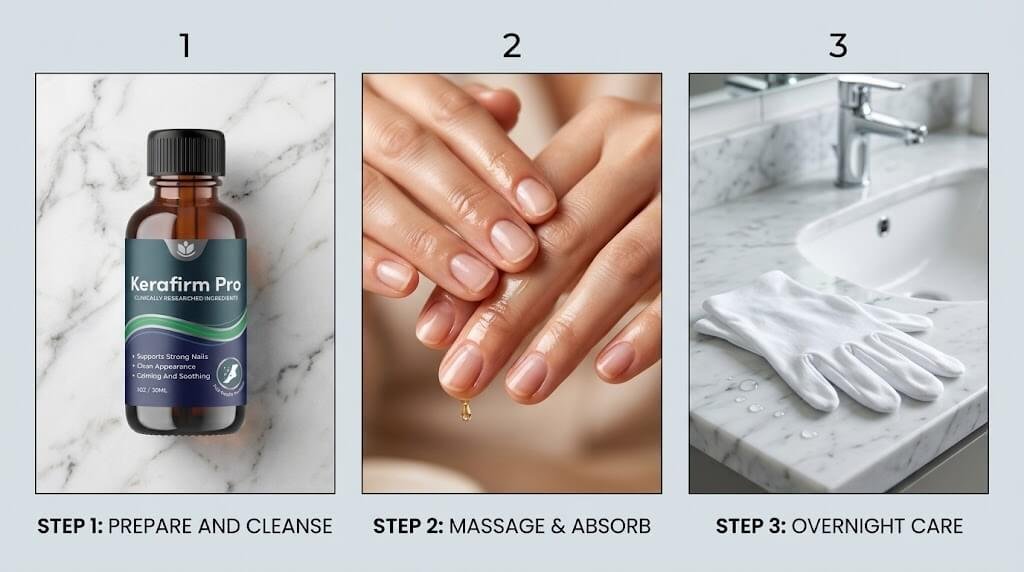
- Moisturize the nail and cuticle. Apply a small amount of jojoba oil, sweet almond oil, or a shea-butter-based hand cream. Rub it into the cuticle, the side walls of the nail, and the underside (the hyponychium). This is the single most important daily step. The oil acts as an emollient, softening the keratin and preventing the micro-cracks that lead to splits.
- Wear gloves for wet work. Rubber or nitrile gloves for dishes, laundry, and cleaning keep the nail plate from swelling and dehydrating repeatedly.
2–3 Times per Week (5 minutes)
- Soak and soften. Soak fingertips in warm (not hot) water for 3–5 minutes. This softens the cuticle and any dry, flaky skin around the nail.
- Gently push back the cuticle. Use a soft, damp cotton swab or a wooden orange stick. Push back, never cut or nip. Aggressive cuticle trimming removes the seal that protects the nail matrix and invites infection.
- Buff lightly (optional). If you have rough, ridged surfaces, use a fine-grit (180-grit or finer) nail buffer once, in one direction, no more than 2–3 passes. Over-buffing thins the plate and makes brittleness worse.
- Apply a thicker layer of oil or a natural nail strengthener (see next section) and let it absorb for 10 minutes.
Weekly (10 minutes)
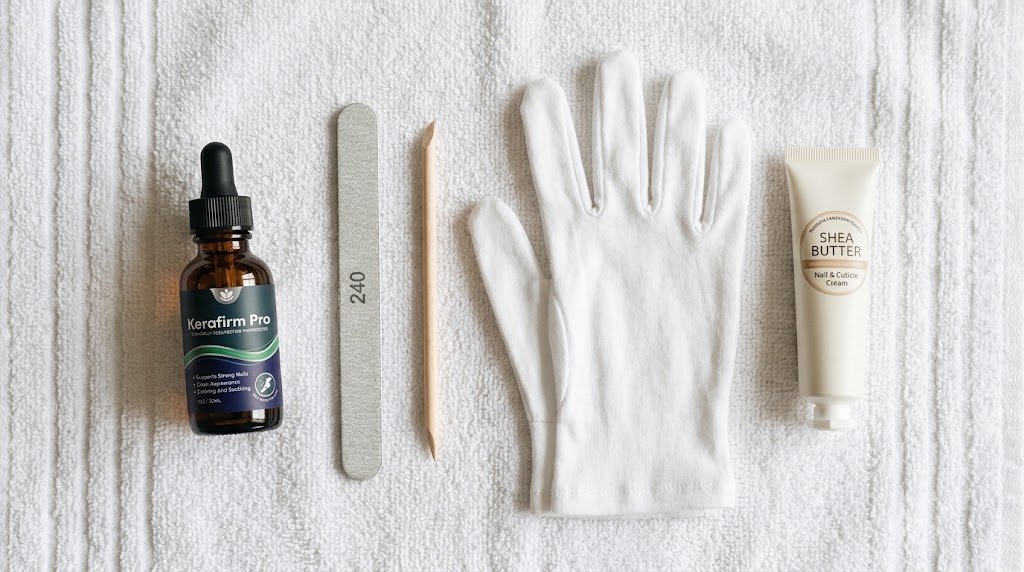
- Trim and shape. Cut nails straight across with clean, sharp clippers. File in one direction (not back and forth) with a 240-grit or finer file. Round the corners slightly so they do not catch and tear.
- Do a “nail rest day.” If you wear polish, go bare for at least 2–3 days a week so the plate can rehydrate. Avoid acetone-based removers; use a non-acetone, acetate-based remover if you must take polish off.
Natural Topical Treatments That Actually Help
Not every “nail treatment” on the shelf does what it promises. Here is what has a reasonable evidence base or at least a sound mechanical rationale:
- Jojoba oil or sweet almond oil. These are small-molecule emollients that penetrate the keratin layers and restore flexibility. A 2019 review in the Journal of Cosmetic Dermatology noted that regular application of plant-based oils improved nail flexibility and reduced peeling in subjects with mild onychoschizia.
- Shea butter or beeswax-based creams. These act as occlusive agents, forming a barrier that locks moisture in. Apply a generous layer before bed and wear thin cotton gloves for 20–30 minutes.
- Vitamin E oil. Applied to the cuticle and nail surface, it may support the lipid barrier. Evidence is limited, but it is safe and inexpensive to try.
- Honey and olive oil mask. Mix 1 tsp honey with 1 tsp olive oil, warm slightly, and apply to the fingertips for 10 minutes twice a week. The honey adds a mild humectant effect (draws moisture in), and the olive oil adds emollience.
- Avoid “nail hardeners” with formaldehyde or formaldehyde-releasing resins. These can make the plate more brittle by cross-linking keratin into a rigid, inflexible structure. If you want a hardener, look for water-based, formaldehyde-free options and use them for no more than 2–3 weeks at a time.
Common Mistake: People with dry, brittle nails reach for a thick, heavy lotion and skip the oil. Lotions are mostly water and evaporate, sometimes pulling more moisture out of the nail. Oil is the better choice for the nail plate and cuticle. Save the lotion for the rest of your hand.
Lifestyle Changes and Habits to Break
Small daily habits quietly damage the nail plate over weeks and months. Auditing them is as important as adding new care steps.
- Stop using your nails as tools. Opening cans, peeling stickers, scraping labels, and scratching surfaces all create micro-fractures in the keratin. Use a spoon, a butter knife, or your fingernail’s flat edge instead.
- Cut back on acetone and gel/acrylic cycles. Gel polish and acrylics require acetone soaking or heat lamps to remove, both of which dehydrate the plate. If you want colored nails, use a breathable, water-based polish and a non-acetone remover.
- Wear gloves in cold weather. Cold, dry air strips moisture from the nail and cuticle. A good pair of leather or wool-lined gloves helps.
- Protect hands from UV. Prolonged sun exposure can dry and weaken the nail plate. Apply a broad-spectrum SPF 30+ to the backs of your hands when you are outside for extended periods.
- Manage stress and sleep. Chronic stress elevates cortisol, which can disrupt the growth cycle of fast-dividing cells, including those in the nail matrix. Aim for 7–8 hours of sleep. If you struggle with sleep quality, a guide to how sleep affects overall metabolism and recovery can give you practical tips that apply to tissue repair as well.
- Keep a balanced diet year-round. If you are in a caloric deficit for weight management, make sure protein and micronutrients are not the first things to get cut. A complete guide to supporting your body naturally can help you plan meals that cover your bases.
What to Avoid: The Nail-Damaging Traps
Even well-meaning habits can work against you. Here is a short list of things to cut back on or eliminate:
| Habit / Product | Why It Hurts | Better Alternative |
| Acetone-based polish remover | Strips lipids, dehydrates plate | Non-acetone (ethyl acetate) remover |
| Gel polish / acrylics + heat lamp removal | Repeated dehydration and mechanical stress | Breathable water-based polish; go bare 2–3 days/week |
| Frequent hand sanitizer (alcohol-based) | Dries cuticle and nail plate | Wash with mild soap; apply oil after each use |
| Over-buffing (multiple passes, coarse grit) | Thins the plate, removes protective layers | One light pass, 180-grit or finer, max 2×/week |
| Biting, picking, or peeling hangnails | Damages the nail matrix and invites infection | Moisturize; trim hangnails with clean scissors |
| Long, artificial extensions | Leverage point for cracks and tears | Keep nails at a natural length (just past the fingertip) |
| Harsh detergents / dish soap without gloves | Dissolves natural oils in the plate | Wear rubber/nitrile gloves for all wet work |
When to See a Doctor
Most brittle nails are a response to environment, diet, or habit. But some patterns point to something that needs medical attention. Schedule a visit with your primary care doctor or a dermatologist if you notice:
- Nails that are brittle and discolored (yellow, green, or white patches)
- Pitting, thickening, or separation of the nail from the bed (onycholysis)
- Sudden onset after starting a new medication
- Brittle nails combined with hair loss, fatigue, or unexplained weight change (possible thyroid or iron issue)
- Nails that will not improve after 8–12 weeks of consistent care and dietary changes
A simple blood panel (CBC, ferritin, TSH, zinc, B12, folate) can rule out the common systemic causes. If a dermatologist is involved, they may take a small nail clipping for analysis.
This article is for general information and is not a substitute for advice from a doctor or physical therapist.
FAQ
How long does it take to see stronger nails after changing my routine?
Fingernails grow about 3 mm (roughly 0.12 in) per month. You will typically notice the new, healthier growth at the tip in 4 to 6 weeks. Full replacement of a fingernail takes about 4 to 6 months, so give the process time before judging results.
Can biotin really help brittle nails?
A small 2017 study in the Journal of the American Academy of Dermatology found that 2.5 mg of biotin daily improved nail thickness and reduced splitting over 6–8 months. However, if your biotin levels are already normal, extra biotin is unlikely to make a dramatic difference. Focus on overall protein and micronutrient intake first.
Do nail hardeners actually work, or do they make things worse?
Formaldehyde-based hardeners can make the plate more rigid and more prone to snapping. Water-based, formaldehyde-free hardeners are gentler and can add a protective layer for 2–3 weeks. They are a short-term aid, not a replacement for nutrition and moisturizing.
What should I put on my nails at night to strengthen them?
Apply a generous layer of jojoba oil or a shea-butter cream to the nail plate, cuticle, and side walls. Put on thin cotton gloves and leave them on for 20–30 minutes or overnight. The occlusive effect of the gloves traps the moisture and lets the oil penetrate deeper.
Why are my nails so thin and brittle even though I eat well?
Nutrition is only one factor. Prolonged water exposure, acetone use, cold weather, and mechanical stress can thin the plate regardless of diet. If your diet is solid and the problem persists beyond 8 weeks, ask your doctor to check thyroid function, iron stores, and zinc levels.
Should I stop wearing nail polish entirely?
You do not have to go fully bare, but giving your nails a break helps. Aim for at least 2–3 days per week without polish. Switch from gel or acrylic to a breathable, water-based polish, and use a non-acetone remover. This reduces the cumulative dehydration cycle.
Conclusion
Strengthening brittle nails naturally is not about one magic product or a single dietary fix. It is about stacking small, consistent habits: eating enough protein, iron, zinc, and biotin; moisturizing the nail plate and cuticle every day with a quality oil; protecting your hands from water, cold, and harsh chemicals; and giving your nails regular breaks from polish and artificial extensions.
Start with the daily oil-and-gloves routine this week. Adjust your meals to close any obvious nutrient gaps. Trim your nails straight across and file in one direction. In four to six weeks, the new growth coming out of your matrix will be visibly stronger, smoother, and less likely to split. If you do not see improvement after two to three months, or if you notice discoloration, pitting, or separation, bring it up with your doctor to rule out an underlying cause.