
Bloating can derail even the most disciplined training session. If you have ever wondered what foods cause bloating, you are not alone. Many athletes and gym-goers experience abdominal distension, gas, and discomfort after eating seemingly healthy meals. Understanding your digestive triggers is just as important as knowing your lifting macros. As a strength and conditioning coach, I see clients sabotage their workouts by consuming high-FODMAP or gas-producing foods right before training. This guide breaks down the exact foods that trigger bloating, the science behind why it happens, and practical swaps to keep your gut happy and your performance high.
Quick Answer
The most common foods that cause bloating include beans, lentils, cruciferous vegetables, dairy products, high-fructose fruits, artificial sweeteners, carbonated drinks, and high-sodium processed foods. These items contain fermentable carbohydrates, sugar alcohols, or excess sodium that draw water into the gut or produce gas during digestion.
The Science Behind Stomach Bloating
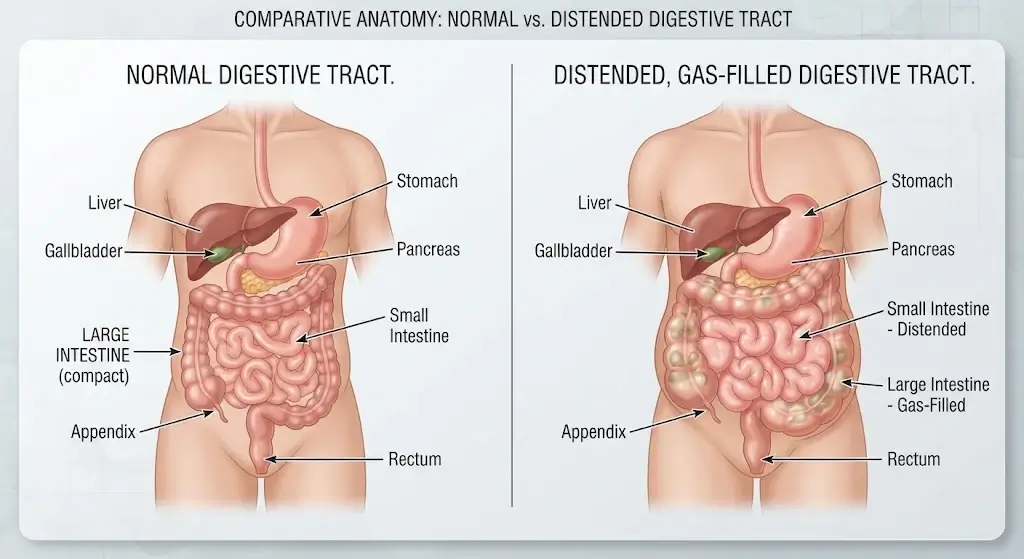
Bloating is a sensation of fullness, tightness, or visible swelling in the abdomen. It is primarily driven by two mechanisms: gas production and water retention. When you consume certain carbohydrates that your small intestine cannot fully absorb, they travel to the large intestine. There, gut bacteria ferment them, producing hydrogen, methane, or carbon dioxide gas. This process is completely normal but can cause significant abdominal distension if the volume of gas is high.
The second mechanism is osmotic. Some poorly absorbed molecules, like sugar alcohols or excess sodium, pull water into the intestinal tract. This extra fluid stretches the gut wall, triggering stretch receptors that send “bloated” signals to your brain. For a 150 lb (68 kg) athlete trying to squat or run, this internal pressure can severely limit core bracing and diaphragmatic breathing.
Research from the National Institute of Diabetes and Digestive and Kidney Diseases (NIDDK) confirms that most healthy adults pass gas 13 to 21 times a day. However, excessive gas and bloating often point to specific dietary triggers rather than a broken digestive system. Identifying these triggers is the first step toward optimizing your gut health and exercise performance.
What Foods Cause Bloating: The Top 8 Triggers
Not all healthy foods are created equal when it comes to digestion. Here are the most common dietary culprits and the biochemical reasons they cause gastrointestinal distress.
1. Legumes and Beans (The Oligosaccharide Trap)
Beans, lentils, chickpeas, and peas are nutritional powerhouses packed with protein and fiber. However, they are also rich in oligosaccharides, specifically a type of sugar called raffinose. The human body lacks the enzyme alpha-galactosidase, which is required to break down raffinose in the small intestine.
Because it passes undigested into the large intestine, gut bacteria feast on it, producing large amounts of gas. For athletes, a large bowl of chili or lentil soup before a workout is a recipe for severe cramping.
- Coach’s Swap: Rinse canned beans thoroughly to remove some oligosaccharides. Alternatively, try smaller portions or switch to easier-to-digest protein sources like eggs or whey isolate before training.
2. Cruciferous Vegetables (Raffinose and Sulfur)
Broccoli, cauliflower, cabbage, Brussels sprouts, and kale are staples in many fitness diets. Like legumes, they contain raffinose. Additionally, they are high in sulfur compounds and insoluble fiber.
While insoluble fiber is great for long-term bowel regularity, it can cause immediate mechanical bloating and gas if your gut is not accustomed to it. Eating a massive raw kale salad an hour before a 5-mile (8 km) run will likely lead to heavy, sluggish feelings and urgent bathroom stops.
- Coach’s Swap: Cook your cruciferous vegetables. Steaming or roasting breaks down some of the tough fibers and makes them significantly easier to digest than eating them raw.

3. Dairy Products (Lactose Intolerance)
Milk, ice cream, soft cheeses, and some protein powders contain lactose, a disaccharide sugar. To digest lactose, your body needs the enzyme lactase. A significant portion of the global population produces insufficient lactase, a condition known as lactose maldigestion or intolerance.
When lactose reaches the colon undigested, bacteria ferment it, causing gas, bloating, and sometimes diarrhea. Even if you are not fully intolerant, consuming large amounts of dairy around intense training can slow gastric emptying.
- Coach’s Swap: Opt for lactose-free milk, hard aged cheeses (which are naturally low in lactose), or plant-based alternatives like almond or oat milk.
4. High-Fructose Fruits (Apples, Pears, and Watermelon)
Fruit is healthy, but some types are high in fructose and sorbitol. Apples, pears, peaches, mangoes, and watermelon contain more fructose than glucose. The intestine absorbs fructose best when it is balanced with an equal or greater amount of glucose.
When fructose is in excess, it overwhelms the intestinal transporters, remaining in the gut to be fermented by bacteria. This is a classic high-FODMAP trigger.
- Coach’s Swap: Choose lower-fructose fruits before workouts. Bananas, blueberries, strawberries, and oranges are generally much gentler on the stomach and provide excellent quick-digesting carbohydrates.
5. Artificial Sweeteners and Sugar Alcohols (Sorbitol and Mannitol)
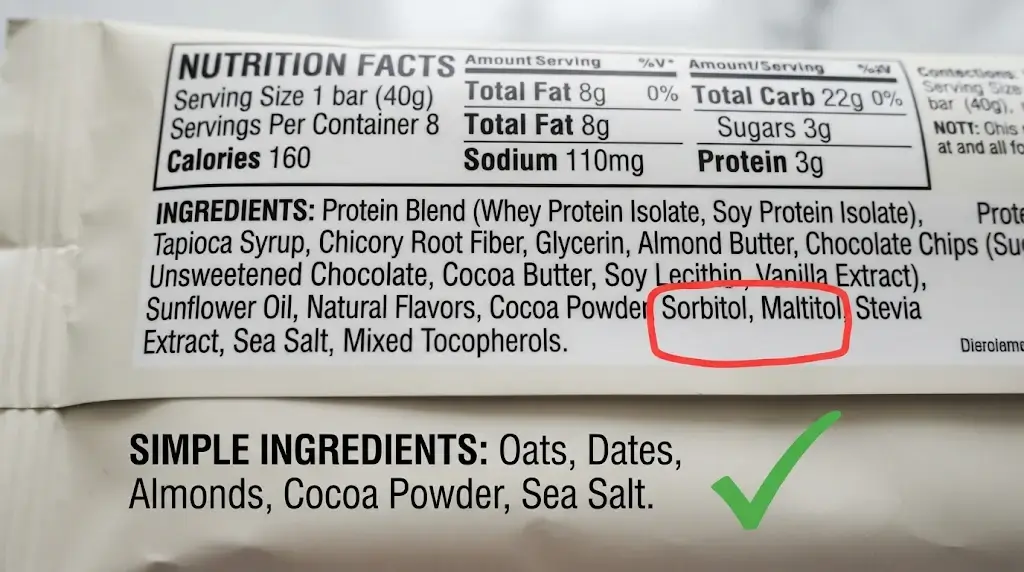
“Sugar-free” or “low-calorie” protein bars, chewing gums, and diet drinks often contain sugar alcohols like sorbitol, mannitol, xylitol, and erythritol. These are polyols, a category of FODMAPs.
Sugar alcohols are notoriously poorly absorbed in the small intestine. They exert a strong osmotic effect, pulling water into the bowel, and are rapidly fermented by colonic bacteria. This double-whammy causes rapid, sometimes painful, bloating and a laxative effect.
- Coach’s Swap: Read labels carefully. If a product lists sorbitol or mannitol high in the ingredients, avoid it before training. Look for products sweetened with stevia or small amounts of real sugar if you need a pre-workout boost.
6. Carbonated Beverages and Chewing Gum
Sometimes the gas in your stomach does not come from fermentation at all; it comes from swallowed air. Carbonated water, sodas, and energy drinks introduce carbon dioxide directly into your stomach.
Chewing gum and drinking through a straw also cause you to swallow excess air (aerophagia). While this gas is usually expelled through burping, some of it travels into the intestines, causing visible distension and discomfort during core exercises or heavy lifting.
- Coach’s Swap: Stick to flat, still water for hydration. If you crave flavor, add a squeeze of fresh lemon or cucumber slices to your water bottle instead of reaching for sparkling alternatives.
7. High-Sodium Processed Foods (Water Retention)
Fast food, deli meats, canned soups, and salty snacks are loaded with sodium. While sodium is an essential electrolyte for muscle contraction, excessive intake disrupts your body’s fluid balance.
To maintain homeostasis, your kidneys hold onto extra water to dilute the high sodium concentration in your bloodstream. This leads to systemic water retention, which often manifests as a puffy, bloated feeling in the abdomen and extremities. A single high-sodium meal can cause you to retain several pounds of water weight temporarily.
- Coach’s Swap: Focus on whole, single-ingredient foods. When buying packaged foods, aim for items with less than 140 mg of sodium per serving, and balance salty meals with potassium-rich foods like spinach or potatoes.
8. Wheat and Gluten-Containing Grains (Fructans)
For individuals without celiac disease, wheat can still cause bloating due to fructans, a type of fermentable fiber. Fructans are found in wheat, rye, and barley, as well as in onions and garlic.
Like other FODMAPs, fructans resist digestion in the small intestine and are fermented in the colon. Many people who believe they have a “gluten sensitivity” are actually reacting to the fructans in wheat rather than the gluten protein itself.
- Coach’s Swap: Try sourdough bread. The fermentation process in traditional sourdough breaks down a significant portion of the fructans, making it much easier to digest than standard commercial wheat bread.
Bloating Triggers and Smart Swaps Table
| Bloating Trigger | Primary Mechanism | Better Pre-Workout Alternatives |
| Beans & Lentils | Oligosaccharide fermentation | Eggs, chicken breast, whey isolate |
| Broccoli & Cabbage | Raffinose & insoluble fiber | Cooked zucchini, spinach, green beans |
| Milk & Soft Cheese | Lactose maldigestion | Lactose-free milk, almond milk, hard cheese |
| Apples & Pears | Excess fructose | Bananas, blueberries, rice cakes |
| Sugar-Free Bars/Gum | Sugar alcohols (osmotic effect) | Small handful of almonds, dates, plain oats |
| Soda & Sparkling Water | Swallowed air (aerophagia) | Still water with lemon, herbal tea |
| Processed Meats | High sodium (water retention) | Freshly cooked turkey, chicken, or salmon |
| Standard Wheat Bread | Fructans | Sourdough bread, rice, quinoa, oats |
How to Apply This to Your Training and Nutrition
Knowing what foods cause bloating is only half the battle. You must apply this knowledge to your daily nutrition strategy to protect your gym performance.
First, prioritize meal timing. A large meal takes roughly 3 to 4 hours to empty from the stomach. If you are planning a heavy leg day or a high-intensity interval session, eat your last substantial meal at least 3 hours prior. This meal should be moderate in protein, low in fat, and low in fiber. For example, 6 oz (170 g) of grilled chicken with a cup of white rice and cooked carrots is a highly digestible, low-bloat option.
Second, manage your fiber intake strategically. While dietary fiber can help with appetite and long-term health, suddenly increasing your fiber intake will guarantee bloating. If you want to eat more vegetables or beans, increase your intake by no more than 5 grams per day. This gives your microbiome time to adapt.
Third, stay consistently hydrated. Drinking adequate water helps move fiber through the digestive tract and prevents constipation, which is a major secondary cause of bloating. Aim for at least half your body weight in ounces of water daily. For a 160 lb (72 kg) individual, that is roughly 80 oz (2.3 liters) of water, plus additional amounts to replace sweat lost during training.
Furthermore, optimizing your overall nutritional profile supports efficient digestion. Ensuring you get the right nutrients support normal energy metabolism helps your body process food efficiently, reducing the likelihood of food sitting in the gut and fermenting unnecessarily.

Coach’s Tip: The Fiber Ramp-Up Rule
Coach’s Tip: Never make drastic dietary changes right before an important event or competition. If you want to transition to a higher-fiber, plant-rich diet, use the “Fiber Ramp-Up Rule.” Add just one new high-fiber food every 3 to 4 days. Start with a quarter-cup serving. This gradual approach allows your gut bacteria to populate the necessary enzymes to break down complex carbs without producing excessive gas.
Common Mistake: Eating Too Close to Training
Common Mistake: Many athletes eat a large, fiber-heavy “healthy” meal 45 minutes before a workout, thinking it will give them energy. In reality, blood flow is diverted away from the digestive tract to the working muscles during exercise. This halts digestion, leaving food to sit and ferment in the stomach, leading to severe cramping, nausea, and bloating. Keep pre-workout meals small, simple, and timed at least 90 to 120 minutes before training.
Safety Notes: When Bloating Is More Than Just Food
Occasional bloating after eating beans or broccoli is normal. However, chronic, painful, or severe bloating may indicate an underlying medical condition. You should consult a doctor or a registered dietitian if you experience:
- Unexplained weight loss
- Blood in your stool
- Severe, persistent abdominal pain
- Bloating that does not improve with dietary changes
- Chronic diarrhea or constipation
These symptoms could point to conditions like Irritable Bowel Syndrome (IBS), Small Intestinal Bacterial Overgrowth (SIBO), inflammatory bowel disease (IBD), or celiac disease. A healthcare professional can provide proper testing, such as breath tests for SIBO or blood tests for celiac disease, to guide your treatment.
Additionally, if you are using nutrition to support your fitness goals, remember that learning to manage food cravings without supplements through whole foods is often gentler on the digestive system than relying on highly processed, additive-heavy alternatives.
Related Tips for Optimal Gut Health
Beyond avoiding trigger foods, you can actively support your digestive system to minimize bloating and maximize nutrient absorption.
1. Consider Digestive Enzymes: If you know you will be eating a trigger food (like beans at a social event), an over-the-counter alpha-galactosidase supplement (such as Beano) can provide the missing enzyme to break down raffinose, significantly reducing gas production.
2. Explore Probiotics: Your gut microbiome plays a massive role in how food is fermented. Some studies suggest that specific strains of probiotics can help balance gut flora and reduce symptoms of functional bloating. Research into probiotics and weight management also highlights their broader role in metabolic and digestive health.
3. Practice Mindful Eating: Eating too quickly causes you to swallow air. Sit down, chew your food thoroughly (aim for 20–30 chews per bite), and avoid talking excessively while eating. This simple mechanical change can drastically reduce aerophagia-related bloating.
4. Balance Your Macros: Ensure your diet includes adequate protein. Understanding how protein intake affects hunger and fullness hormones can help you structure meals that keep you satisfied without overloading your digestive tract with hard-to-digest carbs or fats.
5. Utilize Soluble Fiber Wisely: While insoluble fiber can be harsh, soluble fiber helps control appetite and forms a soothing gel in the gut. Sources like oats, chia seeds, and psyllium husk are generally better tolerated than raw, roughage-heavy vegetables.

Why do healthy foods like broccoli and apples make me bloated?
Healthy foods often contain high amounts of fiber and specific fermentable carbohydrates called FODMAPs. Broccoli contains raffinose and insoluble fiber, while apples are high in fructose. Your body lacks the enzymes to break these down fully in the small intestine, so gut bacteria ferment them in the large intestine, producing gas.
Does protein powder cause bloating?
It can, depending on the type. Whey protein concentrate and casein contain lactose, which causes bloating in lactose-intolerant individuals. Additionally, many protein bars and powders use sugar alcohols (like erythritol or maltitol) for sweetness, which draw water into the gut and cause significant gas and bloating. Switch to whey isolate or a plant-based protein without sugar alcohols.
How can I stop bloating after eating?
To reduce bloating after a meal, go for a gentle 10 to 15-minute walk. Light physical activity stimulates gastric motility, helping gas move through your digestive tract. Sip on peppermint or ginger tea, which have natural antispasmodic properties that relax the gut. Avoid lying down flat immediately after eating.
Can artificial sweeteners cause stomach bloating?
Yes. Artificial sweeteners, particularly sugar alcohols like sorbitol, mannitol, and xylitol, are poorly absorbed in the small intestine. They exert an osmotic effect, pulling water into the bowel, and are rapidly fermented by colonic bacteria. This combination frequently leads to gas, cramping, and a laxative effect.
What is the best pre-workout meal to avoid bloating?
The best pre-workout meal is low in fiber, low in fat, and moderate in easily digestible carbohydrates and protein. A great example is a banana with a small scoop of whey protein isolate, or a slice of sourdough toast with a thin layer of peanut butter. Eat this 60 to 90 minutes before training to ensure your stomach is empty and ready for action.
Conclusion
Understanding what foods cause bloating is a critical skill for any athlete or fitness enthusiast. By recognizing that foods like beans, cruciferous vegetables, dairy, high-fructose fruits, artificial sweeteners, carbonated drinks, high-sodium items, and wheat can trigger gas and water retention, you can make smarter dietary choices. Implement the smart swaps, respect meal timing, and ramp up your fiber intake gradually. A happy gut translates directly to better core stability, improved breathing, and more productive training sessions. Listen to your body, test different foods, and build a nutrition plan that fuels your performance without the discomfort.