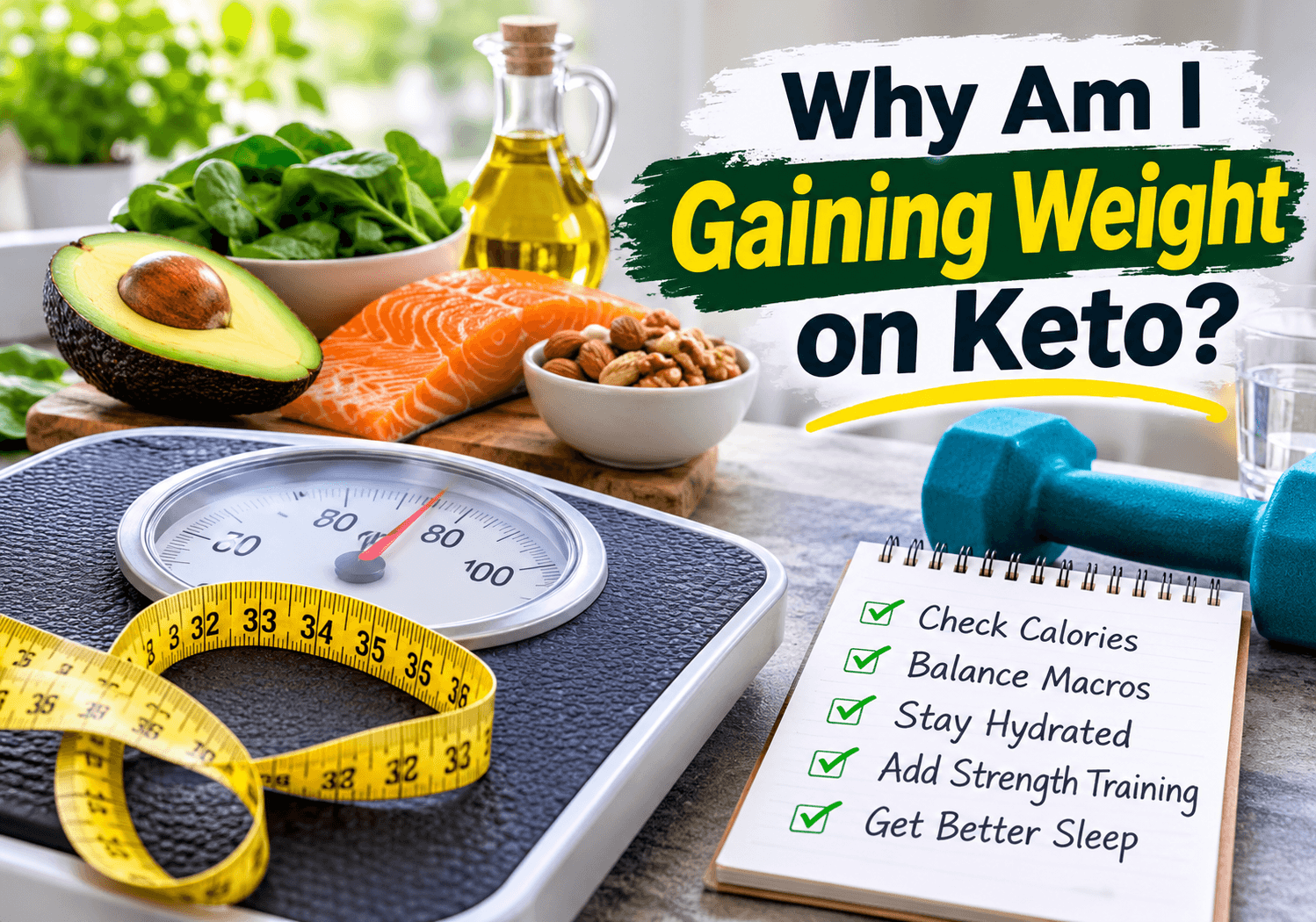
Starting a ketogenic diet is often driven by a clear goal: to lose body fat, stabilize energy levels, and improve overall metabolic health. You cut the carbohydrates, increase your healthy fats, and fully expect the scale to drop steadily. But then, the opposite happens. The number on the scale creeps up, your clothes feel tighter around the waist, and you are left asking, “Why am I gaining weight on keto?” If this sounds familiar, take a deep breath. You are not alone, and this does not mean your metabolism is permanently broken. As a certified strength and conditioning coach, I see this exact scenario frequently with clients. The ketogenic diet is a powerful metabolic tool, but it is not a magic wand that suspends the laws of physics. Weight gain on keto usually boils down to a few specific, highly fixable factors ranging from hidden caloric surpluses to hormonal shifts, electrolyte imbalances, and water retention. In this comprehensive guide, we will break down the science behind unexpected weight gain on a low-carb diet and give you a clear, actionable, evidence-based plan to get your progress back on track.
Quick Answer
If you are wondering why am I gaining weight on keto, the most common reasons are consuming a caloric surplus from highly dense fat sources, experiencing water retention due to electrolyte imbalances, or dealing with metabolic adaptation from severe calorie restriction. Hidden carbohydrates, excessive MCT oil, and elevated cortisol from poor sleep can also stall fat loss. Tracking macros accurately and adding resistance training usually resolves this.
Detailed Explanation: What the Research Says
To truly understand why weight gain happens on a ketogenic diet, we must first look at the fundamental laws of thermodynamics and human physiology. The keto diet works primarily by shifting your body’s primary fuel source from glucose (derived from carbohydrates) to ketones (derived from fat), a metabolic state known as nutritional ketosis. While this shift enhances fat oxidation and can improve insulin sensitivity, it does not suspend the basic laws of energy balance. Research from the National Institutes of Health (NIH) confirms that weight loss ultimately requires a sustained caloric deficit, regardless of your specific macronutrient ratios.
When you first switch to keto, your body rapidly sheds glycogen stores. Glycogen is the stored form of carbohydrates in your muscles and liver, and it binds to water at a ratio of roughly 1:3 or 1:4. This causes rapid initial water weight loss, which many people mistakenly celebrate as pure fat loss. However, as your body adapts to this new fuel source, several physiological mechanisms can trigger weight gain or a frustrating plateau. For instance, excessive fat intake, even from incredibly healthy sources like avocados, nuts, and olive oil, is highly energy-dense. A single tablespoon of MCT oil contains about 120 calories. It is incredibly easy to consume a massive caloric surplus without realizing it, simply because fat is so calorically dense.
Furthermore, hormonal factors play a massive and often overlooked role in weight regulation. Severe calorie restriction on keto can downregulate thyroid hormone production and elevate cortisol, the body’s primary stress hormone. Elevated cortisol is directly linked to increased visceral fat storage and stubborn water retention, as noted in studies published in the Journal of Clinical Endocrinology & Metabolism. Additionally, if you are using exogenous ketone supplements, you must carefully consider their caloric contribution and how they interact with your natural metabolic processes. Understanding these underlying physiological mechanisms is the absolute first step toward identifying and fixing the problem.
Common Triggers for Keto Weight Gain
- Caloric Surplus: Dietary fat intake consistently exceeds your total daily energy expenditure (TDEE). Typical signs include gradual weight increase, clothes fitting tighter, and a lack of definition.
- Water Retention: High sodium intake or severe electrolyte imbalance causing fluid shifts. Typical signs include a sudden 2-5 lb (0.9-2.2 kg) scale jump overnight, bloating, and puffy fingers or ankles.
- Hidden Carbohydrates: Sauces, salad dressings, or processed “keto” snacks pushing you out of ketosis. Typical signs include increased hunger, afternoon energy crashes, and stalled fat loss.
- Metabolic Adaptation: Prolonged severe calorie deficit lowering your resting metabolic rate (RMR). Typical signs include chronic fatigue, cold hands and feet, hair thinning, and halted weight loss.
- Elevated Cortisol: Poor sleep hygiene or overtraining increasing stress hormones. Typical signs include belly fat accumulation, poor workout recovery, and sleep disturbances.
8 Common Reasons You Are Gaining Weight on Keto
1. You Are in a Caloric Surplus
The most common reason for weight gain on any diet is simply eating more calories than your body burns on a daily basis. Fat contains 9 calories per gram, compared to just 4 calories per gram for both protein and carbohydrates. This mathematical reality makes high-fat keto foods incredibly energy-dense. For example, a typical keto meal might include 2 tablespoons of olive oil (240 calories), 4 ounces of salmon (230 calories), and half an avocado (160 calories). That is 630 calories just from fats, before even accounting for the protein or any snacks throughout the day. A handful of macadamia nuts or an extra tablespoon of butter can easily add 200-300 calories to your day. If you are not actively tracking your intake, it is highly likely you have drifted into a caloric surplus without noticing.
Coach’s Tip: Use a digital food scale for one full week to recalibrate your portion sizes. Visual estimates are notoriously inaccurate, especially for calorie-dense fats like oils, nuts, and cheeses.
2. Water Retention and Electrolyte Imbalances
When you ask, “Why am I gaining weight on keto after a month?”, the answer is very often water, not body fat. While keto initially flushes water weight, your body eventually seeks homeostasis and tries to rebalance. If you consume high-sodium processed keto foods (like bacon, sausage, or deli meats) without adequate potassium and magnesium, your body will hold onto water to balance the cellular electrolyte gradient. This can cause a sudden 2 to 5 lb (0.9 to 2.2 kg) spike on the scale overnight, which can be highly discouraging but is completely temporary.
3. Hidden Carbohydrates and “Keto” Marketing Traps
Many packaged foods aggressively labeled “keto-friendly” or “low-carb” are loaded with hidden sugars, maltitol, or other sugar alcohols that can spike insulin and halt ketosis. Even a seemingly innocent sugar-free salad dressing or keto protein bar can contain 4-5 grams of net carbs per serving. If you eat three servings throughout the day, you have consumed 15 grams of carbs, which might be enough to push you out of ketosis and trigger glycogen replenishment, bringing water weight back with it. Always read the detailed nutrition label on the back, not just the front-of-package marketing claims.
Common Mistake: Relying on “keto-friendly” packaged snacks instead of whole foods. These often contain hidden sugar alcohols and extra calories that silently push you into a caloric surplus, halting your progress.
4. Overconsumption of MCT Oil and Exogenous Ketones
Medium-chain triglyceride (MCT) oil is a popular keto staple for boosting energy, but it is pure fat. Adding two tablespoons to your morning coffee adds nearly 240 calories before you even eat your first meal. Similarly, if you are wondering if exogenous ketones help weight loss, the scientific answer is nuanced. While they may temporarily elevate blood ketone levels, many BHB salt supplements contain added calories, sugars, or cause your body to burn the supplemental ketones for fuel instead of your stored body fat, effectively pausing your fat loss progress.

5. Metabolic Adaptation from Severe Restriction
If you have been eating under 1,200 calories a day for several months, your body adapts to survive the perceived famine. This is scientifically known as metabolic adaptation. Your resting metabolic rate (RMR) drops, non-exercise activity thermogenesis (NEAT) decreases (meaning you fidget less and move less subconsciously), and your body becomes highly efficient at holding onto energy. Learning what affects metabolism and body weight is crucial here. The solution is not to eat even less, but to strategically eat more through a process called reverse dieting. Reverse dieting involves adding 50-100 calories back into your daily intake each week, primarily from protein, to slowly bring your metabolic rate back up without triggering rapid fat gain.
6. Lack of Protein Intake
Protein is the most satiating macronutrient and has the highest thermic effect of food (TEF), meaning your body burns significantly more calories digesting it compared to fats or carbs. If your keto diet is too high in fat and too low in protein, you will likely feel less full, experience more cravings, and burn fewer calories during digestion. Ensuring adequate protein intake and metabolism is essential for preserving lean muscle mass, which is the primary driver of your resting metabolic rate. Aim for 0.8 to 1 gram of protein per pound of your target body weight daily.
7. Poor Sleep and Elevated Cortisol
Sleep is a non-negotiable pillar of weight management and metabolic health. Chronic sleep deprivation elevates cortisol and ghrelin (the hunger hormone) while simultaneously suppressing leptin (the fullness hormone). Research clearly shows how sleep affect metabolism and weight regulation on a hormonal level. High cortisol specifically encourages fat storage in the abdominal region, making the scale creep up even if your daily diet is absolutely flawless. Aim for 7-9 hours of quality, uninterrupted sleep per night in a cool, dark room.
8. Lack of Resistance Training
Cardiovascular exercise is great for heart health, but it does not build the metabolically active tissue that keeps your metabolism humming efficiently. If you are only walking or doing light cardio, you may be losing valuable muscle mass along with fat. This lowers your overall metabolic rate over time. Incorporating strength training is one of the most effective ways to increase metabolism naturally after 40 or at any age, ensuring the weight you lose is stubborn fat, not precious muscle tissue.

How to Apply It: A Practical 4-Step Action Plan
If you are stuck and frustrated, do not panic. Follow this systematic, evidence-based approach to identify and fix the root cause of your weight gain.
Step 1: Audit Your Macros and Calories for 7 Days
Stop guessing your portions. Download a reputable macro-tracking app and weigh your food with a digital scale. Calculate your Total Daily Energy Expenditure (TDEE) using an online calculator, and aim for a moderate, sustainable deficit of 300-500 calories. Ensure your protein intake is set at 0.8 to 1 gram per pound (1.8 to 2.2 grams per kg) of your target body weight to protect muscle mass.
Step 2: Clean Up Your Food Sources
Eliminate processed “keto” treats, sugar alcohols, and excessive liquid calories like MCT oil. Focus on whole, single-ingredient foods: eggs, leafy greens, fatty fish, olive oil, and lean meats. Adding more dietary fiber help with appetite and satiety through high-volume, low-carb vegetables like broccoli, spinach, zucchini, and chia seeds can also prevent overeating and improve overall digestive health.
Step 3: Implement a Metabolic Reset Workout Routine
To combat metabolic adaptation, you must send a strong signal to your body that it needs to maintain and build muscle. Here is a simple, highly effective full-body resistance routine to perform 3 times per week on non-consecutive days.
Full-Body Keto Metabolic Routine
- Goblet Squats: 3 sets of 10-12 reps (Rest 60 seconds). Hold a 25 lb (11 kg) dumbbell at chest height. Keep your chest up, elbows tucked inside your knees at the bottom, and sink your hips down and back to ensure proper depth and hip mobility.
- Dumbbell Romanian Deadlifts (RDLs): 3 sets of 10-12 reps (Rest 60 seconds). Hold two 30 lb (13.5 kg) dumbbells. Hinge at the hips, keeping a slight bend in the knees. Imagine closing a car door with your glutes to ensure proper hip hinge mechanics, feeling a deep stretch in the hamstrings.
- Push-Ups (or Incline Push-Ups): 3 sets to near failure (Rest 60 seconds). Keep your core braced and body in a straight line from head to heels. Do not let your hips sag or your lower back arch.
- Dumbbell Rows: 3 sets of 10-12 reps per arm (Rest 60 seconds). Support yourself on a bench, pull the 25 lb (11 kg) dumbbell to your hip, squeezing your shoulder blade tightly at the top of the movement.
- Plank: 3 sets of 30-45 seconds (Rest 45 seconds). Maintain a rigid torso, breathing steadily, and do not let your hips sag toward the floor.
Regression: If the weights are too heavy, reduce the load by 50% and focus strictly on mastering the movement pattern with bodyweight or lighter resistance bands.
Progression: Increase the weight by 5 lb (2.2 kg) once you can complete all reps with perfect form, or decrease the rest time to 45 seconds to increase metabolic demand and cardiovascular challenge.
Step 4: Optimize Hydration and Sleep Hygiene
Drink at least half your body weight in ounces of water daily (e.g., a 160 lb person drinks 80 oz, or roughly 2.3 liters). Supplement with 300-400 mg of magnesium glycinate before bed to support muscle recovery, reduce cramping, and improve sleep quality. If you struggle with late-night snacking, learn to manage food cravings without supplements by drinking caffeine-free herbal tea, staying hydrated, or brushing your teeth immediately after dinner to signal the end of eating.

Safety Notes
Before making drastic changes to your diet or exercise routine, carefully consider your individual health status. The ketogenic diet can significantly alter electrolyte balance and may not be suitable for individuals with a history of kidney stones, pancreatitis, liver conditions, gallbladder issues, or certain metabolic disorders. If you experience persistent fatigue, dizziness, rapid heart rate, or severe digestive issues, discontinue the diet and consult a healthcare provider immediately. Always check with a doctor or physical therapist before starting a new resistance training program, especially if you have pre-existing joint, cardiovascular, or metabolic conditions.
Related Tips for Long-Term Success
- Track Trends, Not Daily Fluctuations: Weigh yourself at the same time each morning, after using the bathroom and before eating, and look at the weekly average. Daily fluctuations of 1-3 lbs (0.45-1.3 kg) are completely normal and usually reflect water shifts, sodium intake, or digestive contents, not actual fat gain.
- Prioritize NEAT: Non-Exercise Activity Thermogenesis (NEAT) accounts for a massive portion of daily calorie burn, often more than formal exercise. Aim for 8,000 to 10,000 steps per day outside of your formal workouts to keep your metabolic engine running efficiently.
- Be Patient with Fat Adaptation: It can take 4 to 8 weeks for your body to become fully “fat-adapted” and efficient at using ketones for fuel. During this transition, athletic performance and energy levels may dip temporarily. Do not mistake this normal adaptation phase for permanent metabolic damage.
- Manage Stress Actively: Chronic stress elevates cortisol, which directly opposes fat loss. Incorporate 10 minutes of daily deep breathing, meditation, or light walking in nature to actively downregulate your nervous system and support hormonal balance.

Frequently Asked Questions (FAQ)
1. Why am I gaining weight on keto after a month of success?
This is typically caused by metabolic adaptation or “diet fatigue.” After initial water weight drops, your body adjusts to the lower calorie intake by slowing your resting metabolic rate. Additionally, you may have become lax with portion control, slowly creeping into a caloric surplus. Reassess your macros and incorporate strength training to rev up your metabolism.
2. Can eating too much fat on keto make you gain weight?
Yes. While keto encourages higher fat intake, fat is still the most calorie-dense macronutrient at 9 calories per gram. If your total daily calorie intake from fats, proteins, and carbs exceeds your Total Daily Energy Expenditure (TDEE), your body will store the excess energy as adipose tissue, leading to weight gain.
3. Does keto cause water retention?
Initially, keto causes water loss. However, water retention can occur later due to electrolyte imbalances (high sodium without enough potassium or magnesium), hormonal fluctuations (especially in women during their menstrual cycle), or increased carbohydrate intake from hidden sources, which replenishes glycogen and its bound water.
4. Are keto supplements causing my weight gain?
Some keto supplements, particularly MCT oils and certain exogenous ketone drinks, are high in calories. If you add these to your diet without subtracting calories elsewhere, you can easily create a caloric surplus. Always check the nutrition label of any supplement for added sugars or high caloric content.
5. How do I fix a keto weight loss plateau?
First, verify you are actually in a caloric deficit by tracking your food accurately for one week. Second, ensure your protein intake is adequate (0.8-1g per lb of target body weight). Third, increase your daily movement (steps) and add 2-3 days of resistance training. Finally, prioritize 7-9 hours of quality sleep per night to regulate hunger hormones.
6. Why am I not losing weight on keto even in ketosis?
Ketosis simply means your body is producing ketones; it does not guarantee fat loss. You can be in ketosis and still consume more calories than you burn. Furthermore, exogenous ketone supplements can elevate blood ketone readings without your body actually burning stored body fat, creating a false sense of progress.
Conclusion
Asking “Why am I gaining weight on keto?” is a frustrating but highly solvable problem. The ketogenic diet is a powerful metabolic tool, not an exemption from the fundamental laws of energy balance. Unexpected weight gain usually stems from a hidden caloric surplus, water retention, metabolic adaptation, or an overreliance on calorie-dense keto products. By auditing your macros, prioritizing whole foods and adequate protein, and incorporating structured resistance training, you can reset your metabolism and get your fat loss back on track. Stay consistent, trust the process, and remember that sustainable health is a marathon, not a sprint.