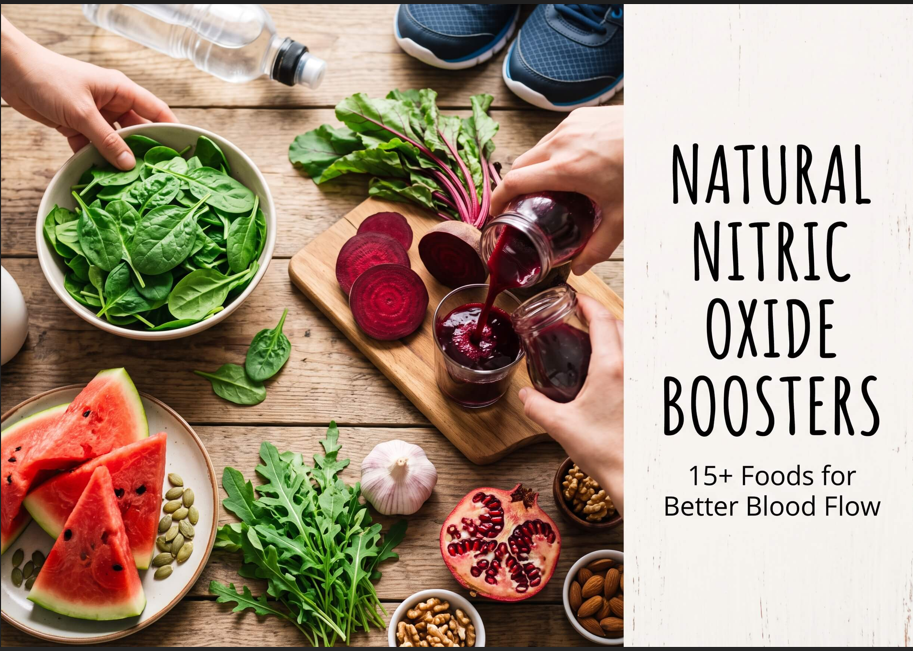
Nitric oxide is a vital molecule produced by your body that plays a central role in vascular health, serving as a vasodilator to help inner blood vessel muscles relax and widen. This widening improves blood flow, lowers blood pressure, and ensures that oxygen and nutrients efficiently reach your organs and tissues. One of the most effective ways to support this internal process is through diet, specifically by consuming nitrate-rich vegetables that the body naturally converts into nitric oxide. While many turn to supplements, prioritizing the best foods for nitric oxide production offers a sustainable, nutrient-dense approach to cardiovascular wellness. The following guide explores the top dietary sources, practical meal ideas, and evidence-based tips to help you optimize your vascular health naturally.
What Is Nitric Oxide and Why Does Your Body Need It?
How nitric oxide helps relax blood vessels
Endothelial cells, which line the inside of your blood vessels, continuously release nitric oxide. This signaling molecule tells the surrounding smooth muscles to relax, causing the blood vessels to dilate. Healthy dilation prevents blood vessels from becoming stiff and narrow, reducing the workload on your heart and promoting optimal systemic circulation.
The connection between nitric oxide and healthy circulation
Adequate nitric oxide production is the cornerstone of healthy circulation. When blood flows freely, your body can efficiently clear metabolic waste and deliver essential nutrients. Poor circulation is often linked to underlying metabolic issues; for example, understanding how high triglycerides cause fatigue can highlight the importance of a vascular-supporting diet that keeps blood vessels clear and flexible.
Nitric oxide, oxygen delivery, and exercise performance
Because nitric oxide widens blood vessels, it directly enhances oxygen delivery to working muscles during physical activity. This is why athletes often consume natural nitric oxide boosters before workouts to improve stamina and reduce the oxygen cost of exercise. Efficient oxygen transport is critical for energy levels, a fact underscored by research showing how oxygen deprivation from conditions like low iron levels resulting from infection can lead to severe fatigue.
Why nitric oxide production may change with age
As you age, the endothelial cells become less efficient at producing nitric oxide, dropping significantly by the time you reach your 40s and 50s. This decline contributes to age-related vascular stiffness. Fortunately, dietary nitrate offers an alternative, enzyme-independent pathway for the body to generate nitric oxide, effectively bypassing the aging endothelium.
What Foods Help Increase Nitric Oxide Naturally?
To optimize your levels naturally, focusing on foods high in dietary nitrates and specific amino acids is highly effective. Here is a breakdown of the best natural nitric oxide boosters.
- 1. Beets and beet juice: Beets are highly concentrated in dietary nitrates. When consumed, these nitrates are converted into nitrites in the mouth and eventually into nitric oxide in the stomach and bloodstream. Regular beet juice consumption has been extensively studied for its potential to support healthy blood pressure and vascular function. For those who struggle to consume enough whole beets, analyzing comprehensive Circo2 reviews provides insight into how beet-based dietary aids compare to whole foods.
- 2. Spinach: Fresh spinach is one of the most potent nitrate-rich leafy greens available. Adding a generous handful to salads, smoothies, or lightly cooking it alongside a balanced meal can significantly boost your dietary nitrate intake. Maintaining a balanced diet with spinach also supports healthy blood sugar, a concept explored in Plantsulin reviews.
- 3. Arugula (rocket): Arugula frequently tops the chart for nitrate density per gram. Its peppery flavor makes it an excellent base for salads or a nutritious topping for sandwiches, supporting cardiovascular health while adding very few calories—making it ideal for metabolic support alongside routines explored in Lipozem reviews.
- 4. Celery: Celery is a staple nitrate-rich vegetable. While celery juice is often touted for detoxing, its real, evidence-based benefit lies in its nitrate content, which supports circulation without interfering with healthy weight management strategies like those found in Puravive reviews.
- 5. Lettuce and romaine: Everyday salad greens like romaine and butterhead lettuce contain respectable amounts of dietary nitrates. Eating a large mixed-greens salad daily is a simple, effective habit for healthy blood vessels.
- 6. Kale and Swiss chard: These dark, leafy greens provide a dual benefit: high nitrate levels and a wealth of antioxidants like vitamin C, which protects nitric oxide molecules from rapid breakdown in the bloodstream.
- 7. Watermelon: Watermelon is one of the best natural L-citrulline foods. The body converts L-citrulline into L-arginine, which is then used by the nitric oxide synthase (NOS) enzyme to produce nitric oxide.
- 8. Pomegranate: Pomegranates are rich in potent polyphenols and antioxidants. While they don’t contain high nitrates, their antioxidants prevent oxidative stress, effectively protecting the nitric oxide your body has already produced.
- 9. Garlic: Garlic supports vascular health by activating nitric oxide synthase and reducing oxidative stress. It serves as a protective agent for the blood vessels rather than a direct source of nitrates.
- 10. Berries: Blueberries, strawberries, and raspberries are packed with flavonoids. These compounds improve endothelial function and protect blood vessels, ensuring that nitric oxide signaling remains efficient.
- 11. Other L-citrulline-containing foods: Beyond watermelon, smaller amounts of L-citrulline can be found in cantaloupe, cucumbers, and squash, aiding the body’s internal arginine supply.
- 12. Nuts and seeds: Walnuts, almonds, and pumpkin seeds are excellent sources of L-arginine and healthy fats, promoting overall cardiovascular nutrition and protecting endothelial tissue.
- 13. Fish and seafood: Cold-water fish like salmon and mackerel are rich in omega-3 fatty acids, which reduce systemic inflammation and support endothelial health, indirect factors in optimal nitric oxide production.
- 14. Dark chocolate: High-quality dark chocolate (70% cacao or higher) is rich in cocoa flavanols, which have been shown to stimulate the endothelium to produce nitric oxide, lowering blood pressure and improving blood flow.
- 15. Whole grains and legumes: Oats, lentils, and beans provide fiber and micronutrients that support a heart-healthy diet, improving systemic circulation and providing a stable foundation for vascular health.
Which Foods Are Highest in Natural Nitrates?
Ranking leafy greens by nitrate content
Not all vegetables offer the same nitrate payload. Arugula generally ranks the highest, often containing over 250mg of nitrate per 100 grams. Spinach and beetroot follow closely behind, while vegetables like cabbage and broccoli contain moderate to low amounts.
Beetroot versus spinach versus arugula
While arugula has the highest concentration by weight, beetroot and spinach are often easier to consume in larger, practical quantities (e.g., as juice or cooked down in a pan). A balanced approach involves rotating these three powerhouses throughout your weekly meals. Proper nutrient absorption from these vegetables requires a healthy digestive system, which is why optimizing your gut health through dietary changes or analyzing Peak BioBoost reviews can be a beneficial parallel step.
Why nitrate content varies between vegetables
The exact nitrate concentration in a vegetable depends heavily on soil quality, fertilizer use, sunlight exposure, and the time of year it was harvested. Because of this variability, focusing on total daily vegetable intake is more practical than counting exact nitrate milligrams.
Are fresh vegetables better than concentrated juices?
Whole fresh vegetables provide essential fiber, which slows digestion and supports gut health. However, concentrated beetroot juice delivers a reliable, standardized dose of dietary nitrate without the bulk, which is why it is highly favored in athletic research for acute blood flow improvements.
How Do Foods Increase Nitric Oxide in the Body?
The dietary nitrate–nitrite–nitric oxide pathway
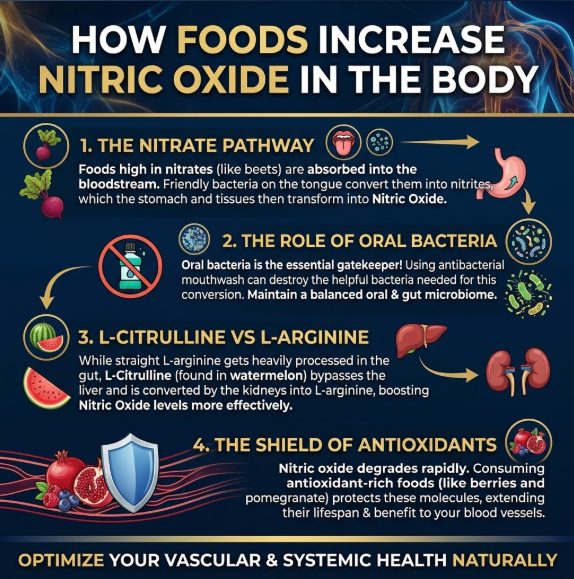
When you consume foods high in nitrates (like beets), the nitrates are absorbed into the bloodstream and concentrated in your saliva. Friendly bacteria on your tongue convert these nitrates into nitrites. Once swallowed, the acidic environment of the stomach and various bodily tissues convert these nitrites directly into nitric oxide.
How oral bacteria contribute to nitrate conversion
The oral microbiome is the essential gatekeeper of the dietary nitrate pathway. If you use antibacterial mouthwash, you destroy the bacteria necessary to convert nitrate into nitrite, effectively halting the process. Maintaining optimal oral health is critical here; resources like ProDentim reviews and Dentatonic reviews highlight the deep connection between a balanced oral microbiome and systemic health functions. Furthermore, supporting gut flora using prebiotics and postbiotics—as discussed in resources moving beyond probiotics, or through exploring Finessa reviews, PrimeBiome reviews, Prime Biome reviews 2025, and the Prime Biome updated report—ensures that the systemic absorption of nitrites is efficient.
The role of L-arginine and nitric oxide synthase
L-arginine is an amino acid that the enzyme nitric oxide synthase (NOS) uses directly to synthesize nitric oxide. However, dietary L-arginine undergoes heavy processing in the digestive tract and liver, meaning much of it never reaches the bloodstream to aid circulation.
How L-citrulline supports the body’s arginine supply
L-citrulline (found in watermelon) bypasses early liver metabolism, entering the bloodstream intact where the kidneys convert it into L-arginine. Research shows that supplementing or eating L-citrulline is actually more effective at raising blood arginine levels than consuming straight L-arginine.
Why antioxidants and vascular health matter
Nitric oxide is a highly volatile molecule that degrades rapidly in the presence of free radicals. Consuming antioxidant-rich foods (like berries and pomegranate) protects nitric oxide, increasing its lifespan and bioavailability in the blood vessels.
What Is the Fastest Natural Way to Increase Nitric Oxide?
Can beet juice raise nitric oxide-related markers?
Yes. Clinical studies consistently show that consuming concentrated beetroot juice raises plasma nitrite levels (a biomarker for nitric oxide) significantly within just a few hours.
How quickly can dietary nitrate have an effect?
The conversion process from nitrate to nitrite to nitric oxide typically peaks in the bloodstream about 2 to 3 hours after consumption. For individuals assessing Prime Perform supplement reviews, matching the timing of dietary nitrates to their workout schedule is often key to realizing physical performance benefits.
Does timing matter before exercise?
If the goal is improved exercise stamina and oxygen delivery, consuming a high-nitrate food or beet juice approximately 90 to 120 minutes prior to the workout aligns the peak nitric oxide availability with peak physical exertion.
Why results differ from person to person
Individual results vary based on oral microbiome health, baseline blood pressure, and stomach acid levels. People who already consume a diet rich in vegetables may notice less of a dramatic acute effect than those transitioning from a highly processed diet.
How to Increase Nitric Oxide Naturally After Age 40
How aging can affect blood vessel function
By age 40, endothelial nitric oxide production begins a steep decline. This leads to reduced blood flow, impacting everything from physical energy to cognitive sharpness. Circulation to the brain is particularly critical as we age, which is why interest in natural cognitive support seen in Cerebrozen reviews, ZenCortex reviews, and CogniCare Pro reviews frequently overlaps with the desire to improve systemic blood flow.
Daily foods that support cardiovascular health
To combat age-related decline, adults over 40 should pivot heavily toward the dietary nitrate pathway. Consuming daily salads rich in arugula, spinach, and celery ensures the body can create nitric oxide independently of the aging endothelium.
Exercise, sleep, and smoking cessation
Diet must be paired with lifestyle factors. Regular aerobic exercise physically stimulates the endothelium to produce more nitric oxide. Meanwhile, poor sleep and tobacco use create oxidative stress that destroys nitric oxide upon creation.
When circulation changes deserve medical attention
While diet is foundational, persistent circulation issues require medical oversight. The future of healthcare is advancing rapidly to monitor these exact vascular changes, from implantable sensors for real-time health monitoring to new generation prosthetics for mobility impairment, and even cellular-level interventions as CRISPR edges closer to curing once-untreatable diseases. Always consult a doctor for severe circulatory symptoms.
Can Nitric Oxide Foods Help Male Blood Flow and Erectile Function?
Why nitric oxide matters for erections
Erectile function is fundamentally a vascular event dependent on nitric oxide. When nerve signals trigger arousal, nitric oxide is released into the corpus cavernosum of the penis, relaxing smooth muscles and allowing blood to rush in and create an erection.
What dietary research can and cannot tell us
A diet rich in natural nitric oxide boosters supports systemic endothelial health, which includes the penile blood vessels. This is why many natural male health protocols, such as those evaluated in Red Boost reviews, focus heavily on ingredients like L-citrulline and beetroot to support healthy blood flow. However, foods alone cannot cure clinical erectile dysfunction.
Foods to include in a heart-healthy eating pattern
Men looking to support blood flow should prioritize watermelon (for L-citrulline), spinach, beets, and antioxidant-rich berries. These foods protect blood vessels and provide the raw materials needed for optimal vascular response.
When erectile difficulties need medical evaluation
Persistent erectile difficulties are often an early warning sign of systemic cardiovascular disease or diabetes. Before relying solely on dietary changes, it is critical to undergo a comprehensive medical evaluation to rule out underlying arterial blockages or metabolic conditions.
What Foods and Habits May Reduce Nitric Oxide Availability?
Smoking and tobacco exposure
Smoking is the fastest way to destroy vascular health. The massive influx of free radicals from tobacco smoke immediately neutralizes nitric oxide and damages the delicate endothelial lining, rendering dietary efforts largely ineffective.
A diet high in ultra-processed foods and excess sodium
Diets heavy in refined sugars and trans fats trigger systemic inflammation, while excess sodium stiffens blood vessels. Poor metabolic health damages nerves and blood vessels alike, creating cascading issues often discussed in Nerve Fresh reviews and Nerve Renew analyses. Finding natural dietary interventions is a primary concern for those reading alternative Nerve Fresh feedback to manage neuropathy linked to poor circulation.
Physical inactivity and poor cardiovascular health
A sedentary lifestyle causes endothelial cells to become “lazy.” Without the physical shear stress of blood pumping vigorously during exercise, the body downregulates the enzymes responsible for baseline nitric oxide production.
Why mouthwash research should be interpreted carefully
Standard antibacterial mouthwash indiscriminately kills the oral bacteria required to convert dietary nitrates into nitrites. Studies show that using harsh mouthwash can blunt the blood-pressure-lowering effects of a high-nitrate meal. Switching to a natural oral hygiene routine preserves this vital microbiome function.
A Simple 7-Day Meal Plan Featuring Nitric Oxide Foods
| Day | Example meal focus |
| Monday | Spinach omelet and beet salad |
| Tuesday | Oatmeal, berries, and a leafy-green lunch |
| Wednesday | Beetroot with grilled salmon and vegetables |
| Thursday | Arugula salad, beans, and whole grains |
| Friday | Spinach smoothie with watermelon |
| Saturday | Lentil bowl with leafy greens |
| Sunday | Mixed greens, roasted beets, nuts, and fish |
Nitric Oxide Foods vs. Nitric Oxide Supplements
Whole foods versus concentrated beetroot products
Whole foods provide fiber, vitamins, and minerals alongside nitrates. Concentrated beetroot powders and juices offer a highly standardized, potent dose of nitrates without the caloric bulk, making them ideal for targeted athletic use.
What to know about L-arginine and L-citrulline supplements
While food sources like watermelon provide L-citrulline naturally, getting clinical doses requires eating massive quantities. Supplements offer precise dosing, but evaluating products requires scrutiny, as detailed in Nitric Boost Ultra reviews, to ensure the formulations match evidence-based L-citrulline levels rather than relying on poorly absorbed L-arginine.
Are nitric oxide supplements safe?
For most healthy individuals, dietary nitrate and amino acid supplements are safe. However, because they effectively lower blood pressure, they can cause dizziness or interact with prescription medications.
How to evaluate supplement marketing claims
Look for third-party testing, transparent ingredient labels, and formulations prioritizing L-citrulline and standardized beetroot extract over proprietary blends that hide the true dosages of active ingredients.
Safety Considerations Before Increasing Nitric Oxide Intake
Beetroot and changes in blood pressure
Because dietary nitrates are effective vasodilators, consuming large amounts of beet juice can cause acute drops in blood pressure. Individuals with naturally low blood pressure (hypotension) should introduce these foods slowly to avoid dizziness.
Medication interactions and supplement precautions
If you are taking blood pressure medication, nitrate drugs for angina, or PDE5 inhibitors for erectile dysfunction, combining them with high-nitrate foods or supplements can cause dangerous, synergistic drops in blood pressure.
When to ask a healthcare professional
Always consult a doctor before dramatically altering your diet or introducing concentrated extracts if you have kidney stones (as beets and spinach are high in oxalates), kidney disease, or cardiovascular conditions requiring medication.
Why food-based approaches differ from high-dose supplements
Eating a spinach salad acts gradually on the body, presenting virtually zero risk of an acute hypotensive event. High-dose powders and juices force a rapid vascular response, requiring more caution and awareness of underlying health conditions.
Frequently Asked Questions About Nitric Oxide Foods
What foods help increase nitric oxide naturally the most?
Arugula, spinach, and beetroot contain the highest concentrations of dietary nitrates, which the body converts efficiently into nitric oxide.
Is beet juice the best drink for nitric oxide?
Yes, clinical evidence strongly supports concentrated beetroot juice as one of the most effective natural beverages for raising blood nitrite levels.
Which leafy greens contain the most nitrates?
Arugula is generally the most nitrate-dense leafy green, followed closely by fresh spinach and Swiss chard.
Can I increase nitric oxide without supplements?
Absolutely. A daily diet rich in dark leafy greens, beets, watermelon, and antioxidant-rich berries provides ample resources for the body to maintain optimal vascular function.
Does watermelon increase nitric oxide?
Watermelon contains L-citrulline, an amino acid that the kidneys convert to L-arginine, which the body uses to synthesize nitric oxide directly in the blood vessels.
How long does it take for nitric oxide foods to work?
Dietary nitrates from foods like beet juice typically reach peak levels in the bloodstream approximately 2 to 3 hours after consumption.
What is the best breakfast for nitric oxide production?
A spinach and mushroom omelet paired with a side of berries, or a smoothie containing beetroot powder, spinach, and watermelon, offers an excellent vascular start to the day.
Can nitric oxide foods help men over 40?
Yes, as endothelial production declines with age, utilizing the dietary nitrate pathway through leafy greens and beets is an effective way to support healthy circulation and blood pressure.
Do nitric oxide foods lower blood pressure?
Research indicates that high-nitrate foods, particularly beet juice, can modestly lower blood pressure in healthy individuals by promoting blood vessel dilation.
Is it safe to eat nitrate-rich vegetables every day?
Yes, for the vast majority of healthy adults, daily consumption of nitrate-rich vegetables is entirely safe and highly encouraged for cardiovascular health.
Are nitric oxide foods better than supplements?
Foods offer a broader spectrum of essential nutrients, fiber, and antioxidants. Supplements are more convenient for acute, high-dose athletic performance but should not replace a heart-healthy diet.
Can diet alone correct poor circulation?
While diet is a powerful tool for vascular support, severe circulation issues may require medical intervention, lifestyle changes (like quitting smoking and exercising), and potentially medication.
Ultimately, supporting your vascular system requires a consistent, holistic approach. By integrating nitrate-dense vegetables like arugula, spinach, and beetroot into your daily meals, alongside L-citrulline sources like watermelon and antioxidant protectors like berries, you provide your body with the exact biological building blocks it needs. While lifestyle factors like daily movement, sleep quality, and oral health play vital supporting roles, upgrading your plate is the most foundational, immediate step you can take toward maintaining flexible blood vessels and thriving cardiovascular health.