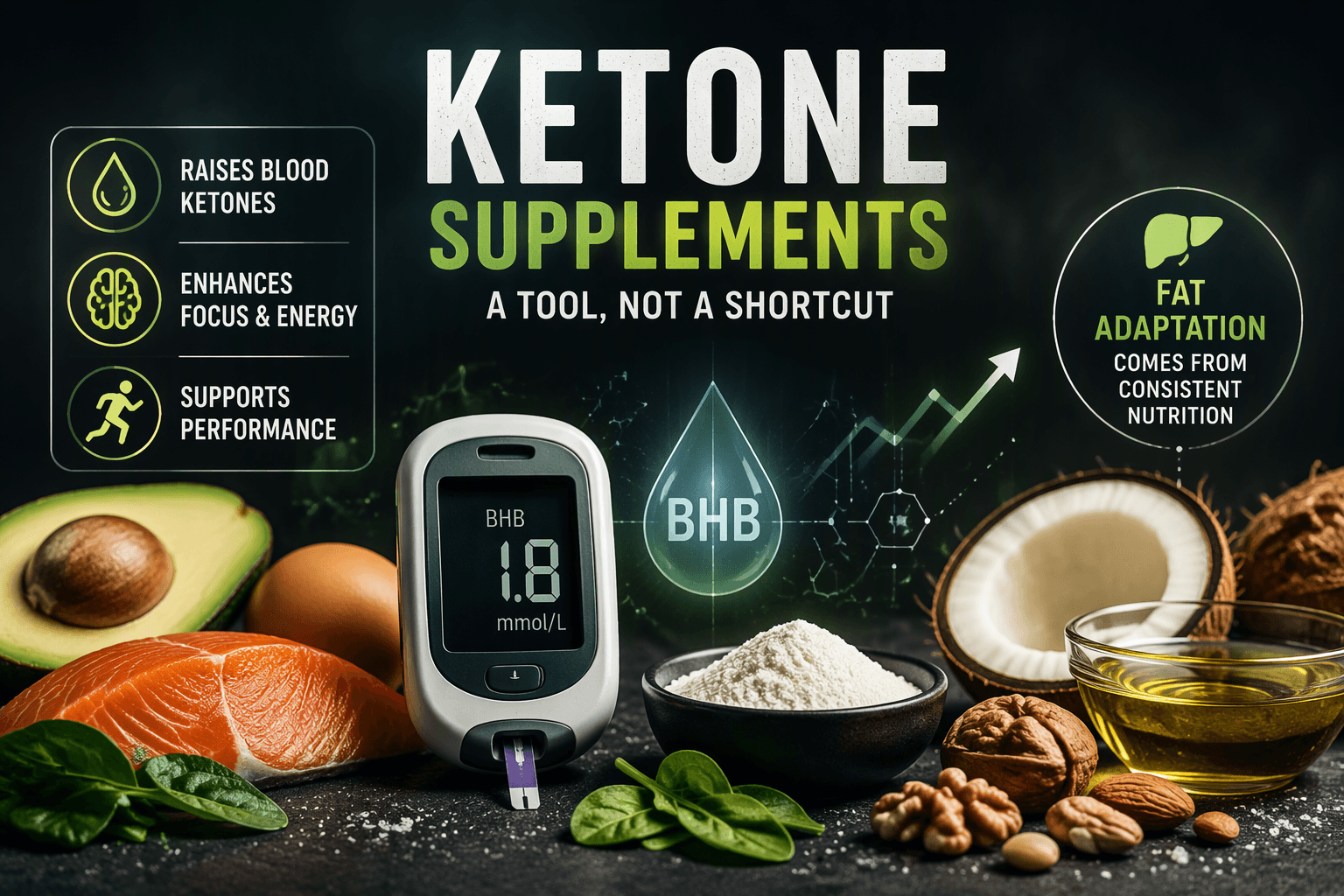
If you are following a ketogenic diet, you might be wondering: do ketone supplements help you stay in ketosis? The short answer is yes, but with important physiological caveats. Exogenous ketones can temporarily raise your blood ketone levels, mimicking a state of nutritional ketosis. HoweIf you are following a ketogenic diet, you might be wondering: do ketone supplements help you stay in ketosis? The short answer is yes, but with important physiological caveats. Exogenous ketones can temporarily raise your blood ketone levels, mimicking a state of nutritional ketosis. However, they do not replace the metabolic fat-burning process that occurs when you restrict carbohydrates. As a strength and conditioning coach, I see many clients use these supplements to ease the transition into keto or to boost workout performance. This guide breaks down the science, types, and practical ways to use ketone supplements effectively.
Quick Answer
Yes, ketone supplements can temporarily raise your blood ketone levels, helping you measure higher on a ketone meter. However, they do not force your body to burn its own fat or replace the need for a low-carbohydrate diet. They are best used as a tool to ease “keto flu” symptoms, provide quick mental energy, or support workout performance while your body adapts to fat burning.
The Science of Ketosis: Endogenous vs. Exogenous
To understand how supplements work, we must first define ketosis. Nutritional ketosis is a metabolic state where the body shifts from using glucose (from carbohydrates) as its primary fuel source to using ketones (from fat).
Endogenous ketosis occurs naturally when you restrict carbohydrates, typically to under 50 grams per day. Your liver responds to low insulin levels by breaking down fatty acids into three ketone bodies: beta-hydroxybutyrate (BHB), acetoacetate, and acetone. This is the state most people seek for fat loss and metabolic health.
Exogenous ketosis occurs when you consume ketones directly through supplements. This introduces BHB into your bloodstream without requiring your liver to produce it. According to research published by the National Institutes of Health (NIH), exogenous ketones can elevate blood BHB levels within 30 to 60 minutes of ingestion.
While both states result in measurable ketones in the blood, they are not metabolically identical. Exogenous ketones provide an external fuel source, but they do not automatically trigger the lipolysis (fat breakdown) that defines true fat adaptation.
Types of Ketone Supplements
Not all ketone supplements are created equal. They fall into three primary categories, each with distinct mechanisms, benefits, and drawbacks.
1. Ketone Salts (BHB Salts)
Ketone salts bind the BHB molecule to a mineral, such as sodium, potassium, calcium, or magnesium.
- Pros: More affordable, widely available, and generally taste better than esters. The added minerals can also help replenish electrolytes lost during the initial stages of a keto diet.
- Cons: The mineral binding means you get less actual BHB per serving. Consuming large doses can lead to an excessive mineral load, potentially causing digestive discomfort.
2. Ketone Esters
Ketone esters bind the BHB molecule to an alcohol ester. This is the form most frequently used in clinical research and by elite endurance athletes.
- Pros: Highly effective at rapidly spiking blood ketone levels (often within 15–30 minutes). They deliver a high dose of pure BHB without the extra mineral load.
- Cons: Significantly more expensive. They are notorious for having a harsh, chemical-like taste and can cause gastrointestinal distress if taken on an empty stomach.
3. MCT Oil (Medium-Chain Triglycerides)
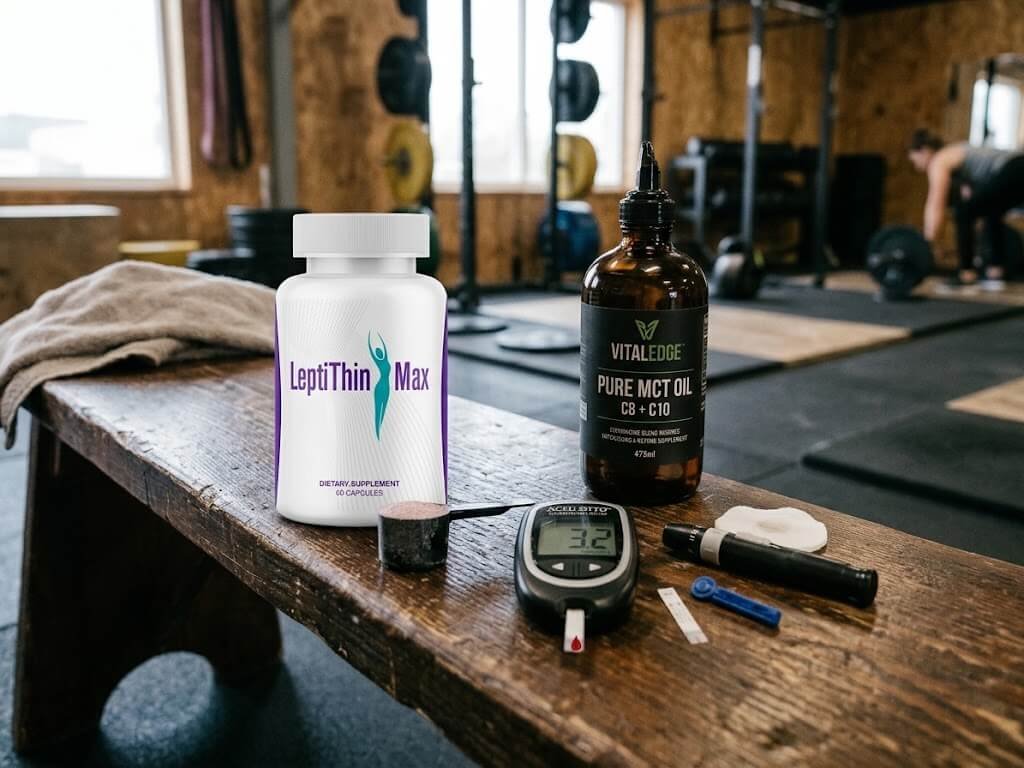
MCT oil is not an exogenous ketone itself, but rather a ketone precursor. Derived from coconut or palm kernel oil, MCTs bypass normal fat digestion and travel directly to the liver, where they are rapidly converted into ketones.
- Pros: Natural, supports sustained energy, and is generally well-tolerated in moderate doses.
- Cons: The ketone elevation is slower and lower compared to salts or esters. Taking too much too quickly can cause urgent digestive issues.
| Supplement Type | Primary Ingredient | Blood Ketone Impact | Best For | Estimated Cost |
| Ketone Salts | BHB + Minerals (Na, K, Mg) | Moderate spike (0.5–1.5 mmol/L) | Beginners, electrolyte replenishment, keto flu relief | ––$ |
| Ketone Esters | Pure BHB + Alcohol Ester | Rapid, high spike (1.5–3.0+ mmol/L) | Elite athletes, rapid cognitive boost, strict fasting | $$ |
| MCT Oil | Caprylic (C8) / Capric (C10) Acids | Mild, sustained elevation (0.3–0.8 mmol/L) | Daily coffee blending, sustained energy, gut adaptation | ––$ |
Do Ketone Supplements Help You Stay in Ketosis? What the Research Says
This is the core question. Do ketone supplements help you stay in ketosis if your diet slips, or do they merely mask the metabolic reality?
Research indicates that exogenous ketones successfully elevate blood BHB levels, which means a ketone meter will register that you are “in ketosis.” However, a study in the Journal of Physiology notes that elevated exogenous ketones can temporarily suppress endogenous ketone production and fat oxidation. In simpler terms, if you drink a ketone supplement and then eat a high-carbohydrate meal, your body will still process the carbohydrates, spike insulin, and halt fat burning. The supplement merely adds ketones to your blood; it does not force your body to burn fat.
Therefore, ketone supplements help you “stay in ketosis” only in the sense of keeping blood readings high and providing an alternative fuel source. They are not a magical loophole that allows you to eat unlimited carbohydrates while remaining in a fat-burning state. They are best viewed as a metabolic tool, not a dietary replacement.
How to Measure Ketosis Accurately
If you are using supplements, knowing how to track their effects is crucial. Not all testing methods are reliable once you become fat-adapted.
- Blood Ketone Meters (Gold Standard): These measure BHB in the blood, providing a precise reading in mmol/L. They are the most accurate method for tracking exogenous ketone impact.
- Breath Ketone Analyzers: These measure acetone in your breath. They are non-invasive and good for tracking general trends, but they are less precise than blood meters and can be influenced by hydration levels.
- Urine Ketone Strips: These measure acetoacetate. They are cheap and useful for absolute beginners in their first two weeks. However, once your body becomes efficient at using ketones, it stops excreting them in urine, making these strips highly inaccurate for long-term tracking.
Optimal Blood Ketone Ranges:
- < 0.5 mmol/L: Not in ketosis.
- 0.5 – 1.5 mmol/L: Light nutritional ketosis (typical for beginners or maintenance).
- 1.5 – 3.0 mmol/L: Optimal ketosis for weight loss, mental clarity, and athletic performance.
- > 3.0 mmol/L: Deep ketosis (often unnecessary for general goals and may cause mild side effects).
- > 8.0 mmol/L: Dangerous zone (risk of ketoacidosis, primarily a concern for individuals with Type 1 diabetes, not nutritional ketosis).
Practical Application: Dosing, Timing, and How It Feels
As a coach, I emphasize practical protocols over theoretical benefits. Here is how to integrate ketone supplements into your routine effectively.
Dosing Guidelines
- Ketone Salts: Start with a half-serving (approximately 5–7 grams of BHB) to assess digestive tolerance. Mix in at least 16 ounces (473 ml) of water to prevent stomach cramping. A full serving is typically 10–15 grams of BHB.
- Ketone Esters: A standard dose is 5–10 grams of BHB. Due to the potent taste, many users chase it with a sugar-free electrolyte drink or mix it into a small amount of flavored, zero-carb liquid.
- MCT Oil: Start with 1 teaspoon (5 ml) per day and gradually increase to 1 tablespoon (15 ml) over two weeks to avoid gastrointestinal distress.
Optimal Timing
- Morning Fasting Window: Taking a half-serving of ketone salts can suppress appetite and provide mental clarity without breaking the metabolic benefits of a fast.
- Pre-Workout (30–45 minutes prior): This is the most evidence-backed use case. Exogenous ketones can spare muscle glycogen during endurance exercise, allowing you to maintain intensity while your body relies more on fat oxidation.
- During “Keto Flu”: In the first 7–10 days of a ketogenic diet, ketone salts can alleviate headaches and fatigue by providing immediate brain fuel and replenishing sodium and magnesium.
Coach’s Tip
Always pair ketone salts with ample water. Because they are bound to minerals, taking them in a concentrated form can draw water into your intestines, causing cramping. A 150 lb (68 kg) athlete should aim for at least 16–20 ounces (473–591 ml) of fluid per serving.
Common Mistake
Relying on ketone supplements to “bail out” a high-carb cheat meal. Eating a large amount of carbohydrates will spike your insulin and halt fat burning, regardless of how many exogenous ketones you consume. Supplements support a ketogenic diet; they do not override it.
Synergy with Exercise and Metabolic Health
Optimizing your metabolic state goes beyond just ketones. A holistic approach to supplementation can enhance your results. For example, while some athletes use chromium picolinate to support glucose metabolism and manage blood sugar swings, others rely on exogenous ketones to stabilize energy without an insulin spike. Improving insulin sensitivity through compounds like inositol is another metabolic strategy that pairs well with a well-formulated ketogenic diet.
To maintain workout intensity while in ketosis, many athletes stack ketones with L-citrulline to help produce nitric oxide, which supports blood flow and delays fatigue. This is crucial because nitric oxide promotes healthy blood vessel function during intense training sessions. When comparing vasodilators, understanding L-arginine vs L-citrulline for blood flow can help optimize your pre-workout stack alongside ketones. Furthermore, exploring the broader nitric oxide benefits for men’s health, blood flow, and more can provide a holistic view of how vascular health supports athletic recovery.
Metabolic health impacts total body circulation. This is why addressing foundational lifestyle issues is key, whether you are researching what causes poor blood circulation in men or seeking to improve general athletic performance. Similarly, foundational vascular health is interconnected with overall wellness, including aspects like blood vessel health and erectile function, both of which benefit from stable metabolic and hormonal environments.
Sample Keto Training Protocol
- Warm-up: 5–10 minutes of dynamic stretching and light mobility work.
- Strength Training: 3–4 sets of 6–8 reps per exercise, resting 2–3 minutes between sets. Exogenous ketones taken 30 minutes prior can help preserve glycogen stores during these efforts.
- Conditioning: 15–20 minutes of steady-state cardio (e.g., incline walking or cycling), where fat oxidation is naturally maximized.
- Post-Workout: Rehydrate with water, electrolytes, and optionally a small dose (1 teaspoon) of MCT oil for sustained recovery energy.
Safety Notes and Who Should Be Careful
While generally recognized as safe for healthy adults, ketone supplements are not for everyone.
- Individuals with Kidney Issues: Ketone salts contain high levels of sodium, potassium, and magnesium. Those with compromised kidney function should avoid them or consult a physician first.
- Type 1 Diabetics: While exogenous ketones do not cause diabetic ketoacidosis (DKA), the presence of high blood ketones can mask the early warning signs of DKA. Extreme caution and medical supervision are required.
- Pregnancy and Breastfeeding: There is insufficient research on the safety of exogenous ketones during pregnancy or lactation. It is best to avoid them.
- Gastrointestinal Sensitivity: MCT oil and ketone esters are notorious for causing diarrhea, nausea, or stomach cramps if introduced too quickly or taken in excessive doses.
Always start with the lowest possible dose to assess your individual tolerance. If you experience persistent nausea or abdominal pain, discontinue use immediately.
FAQ
1. Do ketone supplements break a fast?
Technically, yes, because they contain calories. However, pure ketone esters and salts have a minimal impact on insulin and blood glucose. Many practitioners consider them acceptable during a fast because they do not halt lipolysis or autophagy to the same degree that carbohydrates or protein do.
2. How long do ketone supplements keep you in ketosis?
The effects are temporary. Blood ketone levels typically peak 30 to 60 minutes after ingestion and return to baseline within 2 to 3 hours. They do not induce a long-term state of ketosis on their own.
3. Can you take ketone supplements and still eat carbohydrates?
Yes, you can physically consume both. However, eating significant carbohydrates will spike insulin and stop your body from producing its own ketones. The supplement will only provide a brief, artificial elevation in blood ketones without the metabolic benefits of fat adaptation.
4. Do ketone salts cause an insulin spike?
Research suggests that exogenous ketones may cause a very minor, transient increase in insulin, but it is not significant enough to disrupt nutritional ketosis or halt fat burning in healthy individuals.
5. What is the best time of day to take ketone supplements?
The best times are first thing in the morning to combat fasting hunger, or 30 to 45 minutes before a workout to enhance endurance and mental focus. Avoid taking them late at night, as the energy boost may interfere with sleep.
6. Are ketone supplements safe for long-term daily use?
For healthy adults, daily use is generally considered safe. However, relying on them daily can be expensive and may lead to mineral imbalances if using ketone salts. It is best to use them strategically rather than as a daily crutch.
Conclusion
So, do ketone supplements help you stay in ketosis? Yes, but with a clear understanding of their role. They are a powerful tool for temporarily elevating blood ketone levels, easing the transition into a ketogenic diet, and supporting athletic performance. However, they cannot replace the foundational requirement of a low-carbohydrate, high-fat diet. True metabolic flexibility and fat adaptation come from consistent dietary discipline, not a supplement bottle. Use exogenous ketones strategically, monitor your body’s response, and prioritize whole-food nutrition for lasting results.ver, they do not replace the metabolic fat-burning process that occurs when you restrict carbohydrates. As a strength and conditioning coach, I see many clients use these supplements to ease the transition into keto or to boost workout performance. This guide breaks down the science, types, and practical ways to use ketone supplements effectively.