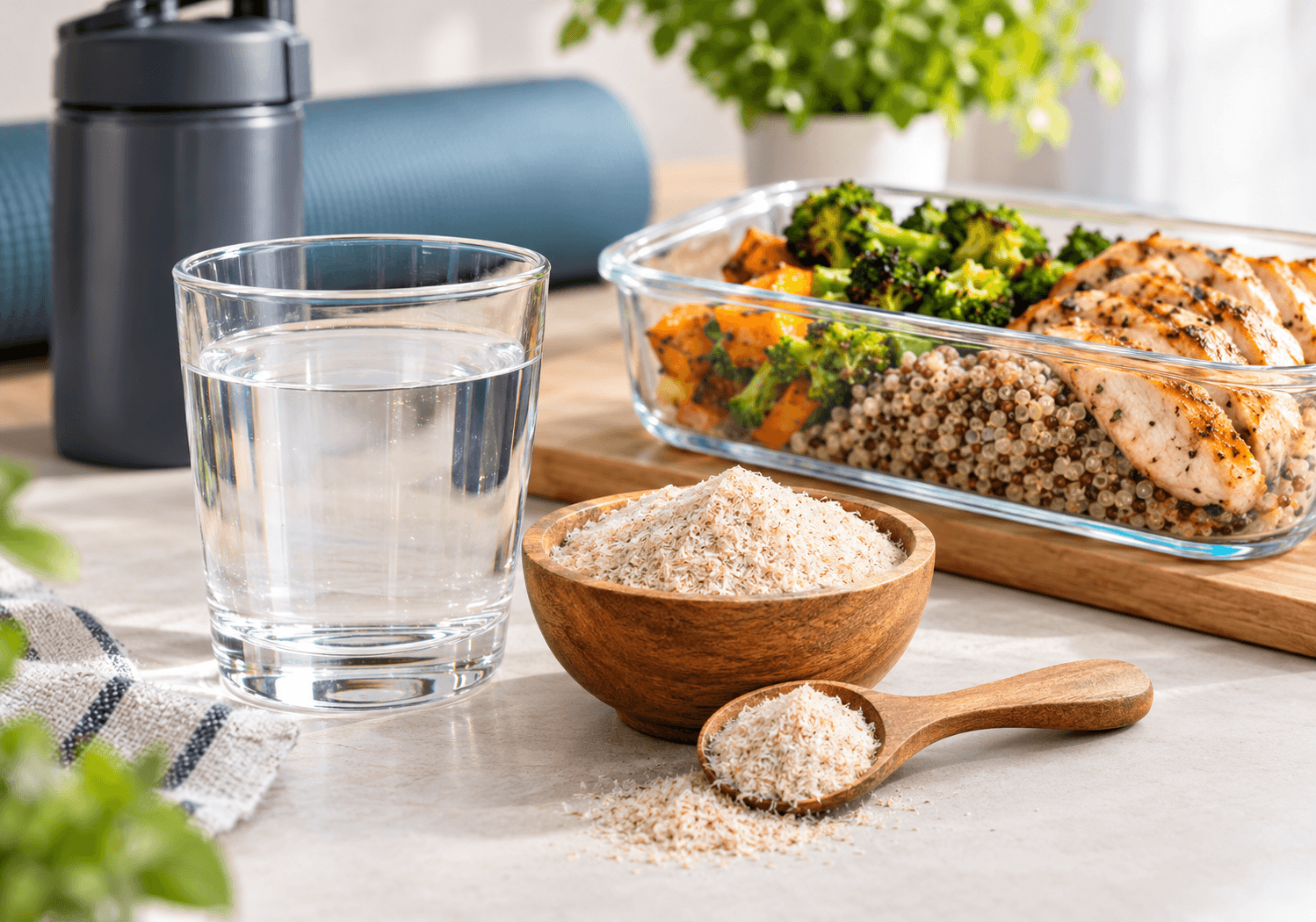
Many adults wonder, does psyllium husk help with appetite control and weight loss? The short answer is yes, but it requires proper dosing, timing, and hydration to work effectively. Psyllium husk is a highly viscous, soluble fiber derived from the seeds of the Plantago ovata plant. Unlike insoluble fiber, which simply adds bulk to stool, soluble fiber absorbs water and forms a thick, gel-like substance in the digestive tract. This physical change directly impacts how your body processes food and signals hunger.
For fitness beginners, women over 40, and anyone managing a caloric deficit, controlling hunger is often the most challenging part of the journey. Adding a targeted fiber supplement can bridge the gap between willpower and physiology. However, it is not a magic pill. It works best as a tool within a broader strategy that includes adequate protein intake, resistance training, and consistent sleep.
Quick Answer
Yes, research indicates that psyllium husk can aid in appetite control and weight loss. By forming a gel in the stomach, it slows gastric emptying and increases feelings of fullness. Taking 5 to 10 grams with plenty of water 30 minutes before meals may reduce overall calorie intake when combined with a balanced diet and regular exercise.
The Science: How Soluble Fiber Affects Hunger Hormones
To understand why this supplement works, we must look at the digestive process. When you consume psyllium husk, it mixes with fluids in your stomach and small intestine to create a viscous matrix. This gel physically slows down gastric emptying, meaning food stays in your stomach longer.
This delayed emptying triggers a cascade of hormonal responses. Research published in the Journal of the Academy of Nutrition and Dietetics shows that viscous fibers significantly increase the release of satiety hormones like glucagon-like peptide-1 (GLP-1) and peptide YY (PYY). Simultaneously, it helps blunt the post-meal spike in ghrelin, the primary hormone responsible for signaling hunger to the brain.
Furthermore, the Harvard T.H. Chan School of Public Health notes that soluble fiber can moderate blood sugar spikes after meals. Stable blood glucose levels prevent the rapid crashes that often trigger intense sugar cravings and unplanned snacking. By keeping your energy levels steady, psyllium husk indirectly supports better food choices throughout the day.
Psyllium Husk vs. Other Fiber Supplements
Not all fiber supplements are created equal. If you are evaluating options for appetite suppression, it helps to know how psyllium compares to other common choices.
| Supplement Type | Primary Mechanism | Best For | Typical Dosage |
| Psyllium Husk | Forms thick, viscous gel; slows gastric emptying | Appetite control, regular bowel movements, cholesterol management | 5–10 grams, 1–3 times daily |
| Glucomannan | Highly absorbent; expands significantly in the stomach | Short-term pre-meal fullness, calorie reduction | 1 gram, 3 times daily before meals |
| Inulin | Fermentable prebiotic fiber; feeds gut bacteria | Gut microbiome health, mild digestive support | 3–5 grams daily |
| Methylcellulose | Non-fermentable synthetic fiber; absorbs water | Reducing gas and bloating while promoting regularity | 2–4 grams daily |
While glucomannan can reduce hunger effectively, psyllium husk is generally better tolerated long-term and offers the added benefit of supporting healthy cholesterol levels and blood sugar regulation.
How to Apply Psyllium Husk for Weight Management
Knowing the science is only half the battle. As a coach, I see many people fail with fiber supplements because they use them incorrectly. Here is the practical, step-by-step protocol for using psyllium husk to support your weight management goals.
Step 1: Start with a Low Dose
Do not start with a full serving. Your digestive system needs time to adapt to the increased fiber load. Begin with 1/2 teaspoon (approximately 2.5 grams) once per day for the first three to four days.
Step 2: Gradually Increase to the Effective Dose
After the initial adjustment period, increase your intake to 1 teaspoon (about 5 grams) taken 1 to 2 times daily. The clinical sweet spot for appetite suppression is typically between 5 and 10 grams taken 30 minutes before your largest meals.
Step 3: Mix with Adequate Liquid
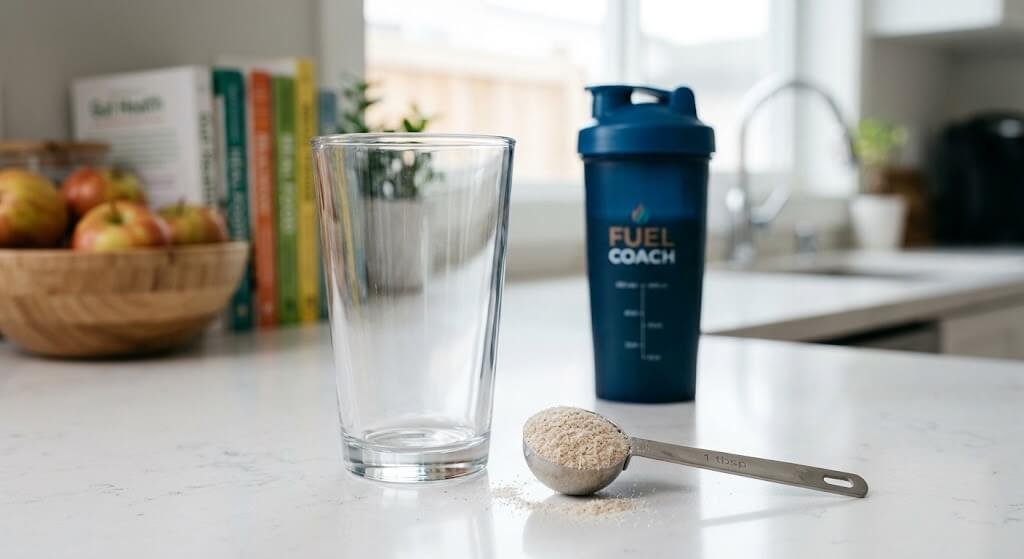
Psyllium husk absorbs 10 to 12 times its weight in water. Always mix your dose into at least 8 to 12 fluid ounces (240 to 350 ml) of water, unsweetened almond milk, or a protein shake. Stir vigorously and drink it immediately before it thickens into a gel.
Step 4: Follow with Additional Water
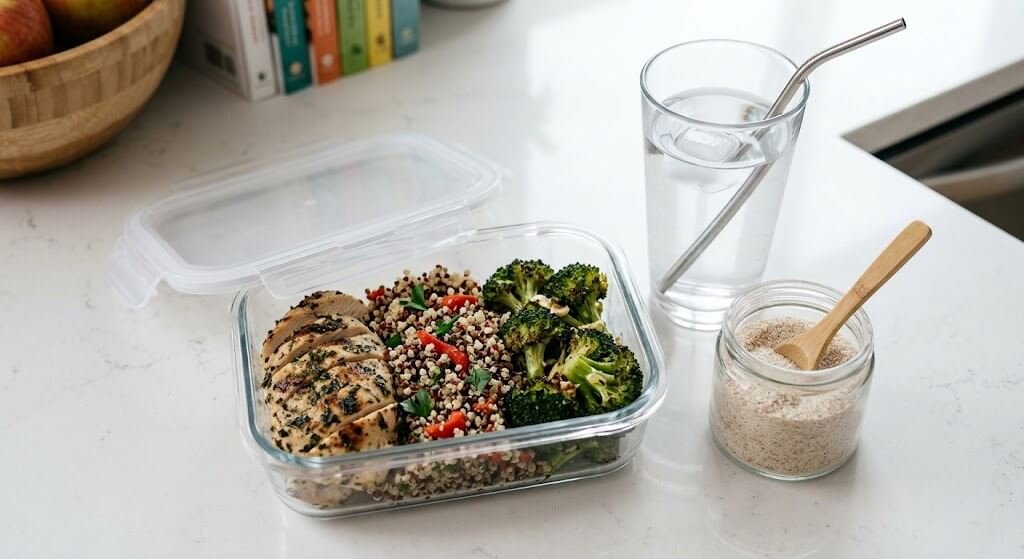
After consuming the mixture, drink an additional 8 ounces (240 ml) of plain water. This ensures the fiber moves smoothly through your digestive tract and prevents it from causing a blockage.
COACH’S TIP:
If you struggle with the texture of psyllium husk in water, mix it into a warm, sugar-free applesauce or blend it into a morning smoothie. The key is consuming it quickly before it gels. Pairing it with a protein intake strategy in that same smoothie will compound the satiety effects, keeping you full for hours.
COMMON MISTAKE:
Taking psyllium husk without drinking enough water. This is the number one cause of severe bloating, constipation, and even esophageal blockage. Fiber without water is like dry cement in a pipe. Hydration is non-negotiable.

Pairing Fiber Intake with a Strength Training Routine
Fiber controls appetite, but resistance training builds the metabolically active tissue that burns calories at rest. To maximize your results, pair your psyllium husk protocol with a foundational strength program.
Below is a sample 3-day full-body workout designed for beginners and intermediate lifters. This routine focuses on compound movements that recruit multiple muscle groups, driving up energy expenditure and supporting long-term metabolism naturally.
Sample 3-Day Full-Body Routine
Rest 60–90 seconds between sets. Focus on controlled tempo (2 seconds down, 1 second pause, 1 second up).
| Exercise | Sets | Reps | Weight Guidance | Primary Muscles Worked |
| Goblet Squat | 3 | 10–12 | Start with 15–25 lb (7–11 kg) dumbbell or kettlebell | Quadriceps, glutes, core |
| Dumbbell Romanian Deadlift | 3 | 10–12 | Start with 15–30 lb (7–14 kg) per hand | Hamstrings, glutes, lower back |
| Push-Ups (or Incline Push-Ups) | 3 | 8–12 | Bodyweight (use a bench or wall for regression) | Chest, shoulders, triceps, core |
| Single-Arm Dumbbell Row | 3 | 10–12 per arm | Start with 10–20 lb (4.5–9 kg) per hand | Lats, rhomboids, biceps |
| Dumbbell Overhead Press | 2 | 10–12 | Start with 8–15 lb (3.5–7 kg) per hand | Shoulders, triceps |
| Plank | 3 | 30–45 sec | Bodyweight | Transverse abdominis, core stabilizers |
Form Cues:
- Goblet Squat: Hold the weight at chest height. Keep your chest up and push your knees outward as you sit back and down, as if aiming for a chair.
- Romanian Deadlift: Keep a slight bend in your knees. Push your hips backward, feeling a deep stretch in your hamstrings, then squeeze your glutes to return to standing.
- Single-Arm Row: Brace your core. Pull the dumbbell toward your hip pocket, not your armpit, to properly engage the latissimus dorsi.
Progression and Regression:
- Regression: If bodyweight push-ups are too difficult, perform them with your hands elevated on a sturdy countertop or bench. This reduces the load on your upper body while maintaining proper form.
- Progression: Once you can complete the top end of the rep range with good form for two consecutive workouts, increase the weight by 2.5 to 5 lb (1 to 2.5 kg).

Safety Notes and Who Should Be Careful
While psyllium husk is generally recognized as safe by the Mayo Clinic, there are important safety considerations you must respect.
- Medication Interactions: Psyllium husk can bind to certain medications, reducing their absorption. If you take prescription drugs, especially for thyroid conditions, diabetes, or cholesterol, take your medication at least 2 hours before or 2 hours after consuming psyllium husk.
- Choking Hazard: Never consume dry psyllium husk powder. It can swell rapidly in the esophagus and cause a dangerous blockage. Always mix it thoroughly with liquid.
- Gastrointestinal Distress: If you experience severe cramping, excessive gas, or diarrhea, reduce your dose by half or stop use temporarily. Your gut microbiome may need more time to adjust to the prebiotic fiber.
- Pre-existing Conditions: Individuals with a history of bowel obstructions, difficulty swallowing, or severe inflammatory bowel disease (like Crohn’s disease) should avoid bulk-forming laxatives unless cleared by a physician.
Related Tips for Maximizing Weight Management
Fiber is a powerful tool, but it operates within a larger system. To get the best results, consider these evidence-based lifestyle factors.
- Prioritize Sleep: Poor sleep disrupts leptin and ghrelin, making you feel hungrier the next day. Establishing a consistent sleep schedule is a proven way to support metabolism naturally. Aim for 7 to 9 hours of quality sleep per night.
- Evaluate Your Overall Nutrient Intake: Fiber works best when your diet is nutrient-dense. Ensure you are consuming adequate vitamins and minerals that support normal energy metabolism, such as B-vitamins, magnesium, and iron, to keep your energy levels stable during a caloric deficit.
- Understand the Broader Fiber Picture: Psyllium is a supplement, not a replacement for whole foods. Continue to eat a variety of vegetables, fruits, and legumes to ensure you are getting a diverse range of fibers that promote a healthy gut microbiome. Research consistently shows that dietary fiber can help with appetite and weight management when sourced from both whole foods and targeted supplements.
Frequently Asked Questions (FAQ)
How much psyllium husk should I take for weight loss?
Start with 2.5 grams (about 1/2 teaspoon) daily to assess tolerance. Gradually increase to 5–10 grams taken 30 minutes before your largest meals. Do not exceed 30 grams per day without medical supervision, as excessive intake can cause severe digestive distress.
Can psyllium husk reduce belly fat specifically?
No supplement can target fat loss in one specific area. However, by helping you maintain a consistent caloric deficit through improved appetite control, psyllium husk can contribute to overall body fat reduction, which will eventually include the abdominal area.
What is the best time to take psyllium husk for appetite control?
The most effective time is 30 to 45 minutes before your largest meals of the day. This gives the fiber enough time to mix with stomach fluids and form the viscous gel that slows gastric emptying and promotes fullness before you start eating.
Does psyllium husk interact with weight loss medications?
Yes, it can. Psyllium husk may interfere with the absorption of oral medications, including certain weight loss drugs or thyroid medications. Always separate your psyllium husk intake from any oral medications by at least 2 hours, and consult your doctor.
Can you take psyllium husk every day long-term?
Yes, daily use is generally safe for most healthy adults and is often recommended for maintaining bowel regularity and cardiovascular health. Just ensure you consistently drink plenty of water throughout the day to prevent constipation.
What are the side effects of psyllium husk for weight loss?
The most common side effects are mild bloating, gas, and abdominal cramping, especially when first starting or if you increase the dose too quickly. Severe side effects are rare but can include allergic reactions or intestinal blockage if consumed without adequate water.
Conclusion
So, does psyllium husk help with appetite control and weight loss? The evidence strongly supports its use as a practical, natural tool for managing hunger. By forming a gel in the digestive tract, it slows down digestion, stabilizes blood sugar, and triggers satiety hormones that make sticking to a caloric deficit much easier.
However, it is not a standalone solution. For sustainable results, combine a proper psyllium husk protocol—starting with a low dose, timing it before meals, and drinking ample water—with a structured resistance training routine and adequate protein intake. Treat it as a supportive habit, not a magic fix, and you will build a foundation for long-term metabolic health and body composition success.