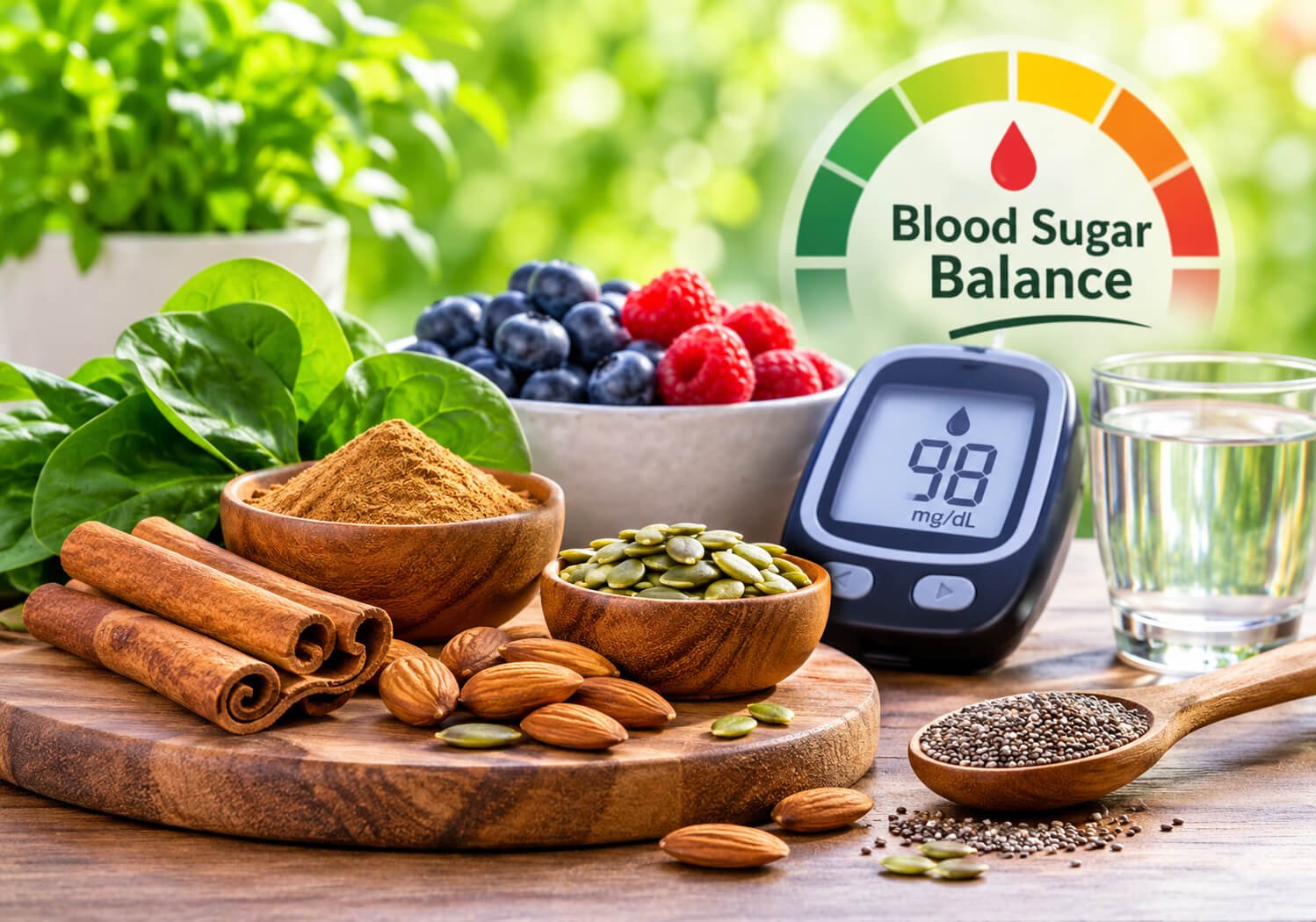
Managing your blood sugar isn’t just about avoiding sweets. It’s about giving your body the right tools to process energy efficiently throughout the day. For many people, especially those over 40 or dealing with metabolic challenges, finding supplements that support blood sugar balance can feel like navigating a maze of marketing claims and conflicting advice. As a strength and conditioning coach, I’ve seen clients struggle with energy crashes, stubborn fat storage, and intense cravings that often trace back to unstable glucose levels.
The good news is that certain nutrients have strong scientific backing for their role in glucose metabolism. From activating key enzymes in your liver to improving how your cells respond to insulin, these compounds work with your body’s natural systems. However, they are not magic pills. They work best when paired with consistent movement, adequate sleep, and a diet rich in whole foods. This guide breaks down exactly which supplements have real evidence behind them, how they work, and how to use them safely alongside your fitness routine.
Quick Answer: The most researched supplements that support blood sugar balance include berberine, chromium picolinate, cinnamon extract, alpha-lipoic acid, and magnesium. Berberine activates AMPK to improve insulin sensitivity, while chromium helps insulin bind to cell receptors. Cinnamon may slow carbohydrate digestion, and magnesium supports pancreatic beta-cell function. Always consult your doctor before starting any new supplement, especially if you take prescription medications for diabetes or other conditions.
Understanding How Your Body Manages Glucose
Before we dive into specific products, it helps to understand what “blood sugar balance” actually means. When you eat carbohydrates, your body breaks them down into glucose, which enters your bloodstream. In response, your pancreas releases insulin, a hormone that acts like a key to unlock your cells so they can absorb that glucose for energy.
When this system works smoothly, your energy stays steady. But when your cells stop responding well to insulin—a condition called insulin resistance—your pancreas has to work overtime to pump out more insulin. Over time, this can lead to higher fasting blood glucose levels and an increased risk of type 2 diabetes. Regular physical activity is one of the most powerful ways to improve insulin sensitivity, as muscle contractions help move glucose into cells without needing as much insulin.
Supplements aim to support this process in different ways. Some mimic the effects of exercise by activating metabolic pathways, while others provide essential minerals that your body needs to produce or respond to insulin effectively. It’s important to note that the American Diabetes Association states that supplements are not proven as a standalone effective option for lowering blood glucose or managing diabetes, but they may serve as supportive tools when used correctly.
Top Evidence-Based Supplements for Glucose Management
1. Berberine: The Natural Metabolic Activator
Berberine is a compound found in several plants, including goldenseal and barberry. It has gained significant attention in the fitness and medical communities because it shares several mechanisms of action with the prescription drug metformin.
How It Works: Berberine primarily works by activating an enzyme called AMP-activated protein kinase (AMPK). Think of AMPK as your body’s “metabolic master switch.” When activated, it helps regulate how your body uses energy. Berberine stimulates glycolysis (the breakdown of glucose for energy) and increases insulin secretion from the pancreas. It also suppresses gluconeogenesis, which is the process where your liver creates new glucose from non-carbohydrate sources.
What the Research Shows: A landmark study published in Metabolism found that berberine significantly reduced fasting blood glucose and HbA1c levels in patients with type 2 diabetes. In some trials, its efficacy was comparable to standard diabetes medications. Another study showed that berberine increases insulin receptor expression, helping your cells recognize and respond to insulin more effectively.
Coach’s Note on Usage: Typical dosages in studies range from 500 mg taken two to three times daily with meals. Because berberine can lower blood sugar significantly, it’s crucial to monitor your levels if you’re already on medication. Some people experience digestive discomfort when first starting berberine, so beginning with a lower dose and working your way up is a smart strategy. For more information on how natural compounds affect metabolic health, check out our guide on how berberine helps with satiety and weight loss.
2. Chromium Picolinate: Enhancing Insulin’s Grip
Chromium is an essential trace mineral that plays a vital role in carbohydrate and lipid metabolism. While you only need small amounts, deficiencies can impair your body’s ability to use insulin properly.
How It Works: Chromium enhances the metabolic action of insulin by helping it bind more effectively to cell receptors. Imagine insulin as a key and the cell receptor as a lock. Chromium acts like oil in the lock, making it easier for the key to turn and open the door for glucose to enter.
3. Cinnamon Extract: Slowing the Sugar Rush
Cinnamon isn’t just a tasty spice for your morning oatmeal; it has been studied extensively for its potential to moderate post-meal blood sugar spikes.
How It Works: Cinnamon contains bioactive compounds that may mimic insulin and increase glucose uptake by cells. It also appears to slow down the rate at which your stomach empties after a meal, which leads to a slower, more gradual rise in blood glucose rather than a sharp spike. Additionally, cinnamon may inhibit certain enzymes involved in carbohydrate digestion in the small intestine.
What the Research Shows: The evidence for cinnamon is mixed but promising. A study published in Diabetes Care found that cinnamon improved glucose control and lipid parameters in people with type 2 diabetes. More recently, research has shown that cinnamon may improve blood sugar control in people with prediabetes, potentially slowing the progression to full-blown diabetes. However, other studies have found no significant changes in glucose levels, suggesting that the type of cinnamon and the individual’s baseline health matter greatly.
Choosing the Right Type: There are two main types of cinnamon: Cassia and Ceylon. Cassia is the common variety found in most grocery stores, but it contains high levels of coumarin, which can be harmful to the liver in large doses. Ceylon cinnamon, often called “true cinnamon,” has much lower coumarin levels and is generally safer for daily supplementation. Look for extracts standardized to contain specific active compounds for consistent dosing.
4. Alpha-Lipoic Acid (ALA): The Antioxidant Protector
Alpha-lipoic acid is a powerful antioxidant that your body produces naturally, but levels decline with age. It is unique because it is both water- and fat-soluble, allowing it to work in every part of your cells.
How It Works: ALA is best known for its role in reducing oxidative stress, which is a major contributor to insulin resistance and diabetic complications. By neutralizing free radicals, ALA helps protect the delicate structures of your nerves and blood vessels. It also improves insulin sensitivity by enhancing glucose uptake in muscle tissue.
What the Research Shows: Multiple studies have demonstrated that ALA can improve symptoms of diabetic peripheral neuropathy, such as numbness, tingling, and pain. A Cochrane review noted that while ALA may have little effect on some symptoms, it shows promise in improving nerve conduction and clinical manifestations of neuropathy. For general glucose control, ALA helps reduce the damage caused by chronic high blood sugar levels.
Dosage Considerations: Clinical trials for neuropathy often use doses between 600 mg and 1,200 mg per day. It’s typically taken on an empty stomach for better absorption. If you’re interested in how antioxidants support overall wellness, explore our piece on astaxanthin supplement for skin glow and anti-aging, which covers another potent antioxidant.
5. Magnesium: The Essential Mineral for Insulin Function
Magnesium is involved in over 300 enzymatic reactions in the body, including those that regulate glucose homeostasis. Unfortunately, magnesium deficiency is surprisingly common, especially among people with type 2 diabetes.
How It Works: Magnesium plays a critical role in the function of pancreatic beta-cells, which are responsible for producing insulin. It also helps insulin receptors on cell surfaces function properly. When magnesium levels are low, insulin resistance tends to increase, making it harder for your body to manage blood sugar.
What the Research Shows: A study published in Diabetes Care found that higher magnesium intake reduces the risk of impaired glucose and insulin metabolism. Supplementation has been shown to lower fasting blood glucose in older adults with magnesium deficiency. Another review confirmed that oral magnesium supplementation can help control glycemic responses in type 2 diabetes patients.
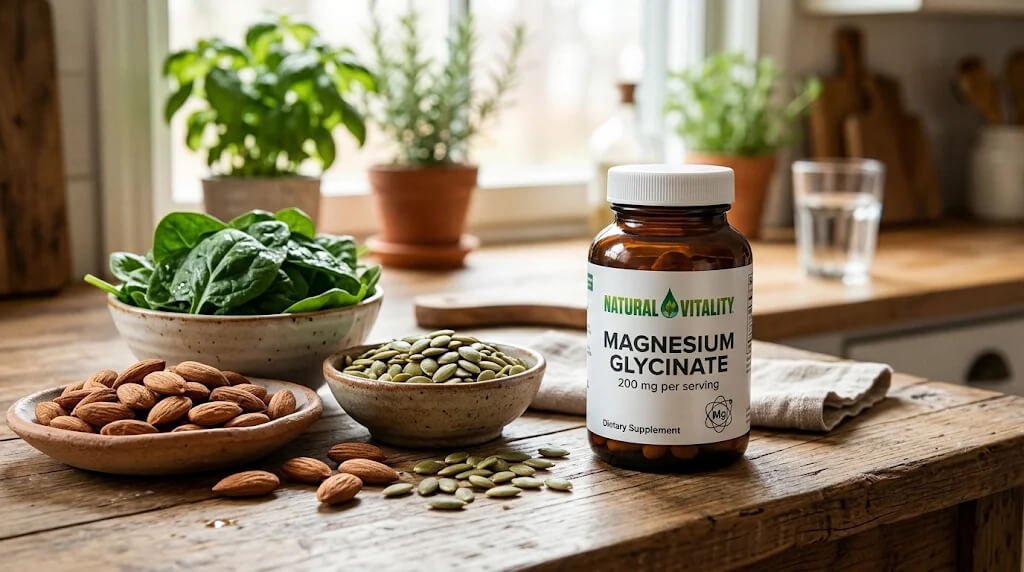
Forms and Dosage: Magnesium glycinate and magnesium citrate are highly bioavailable forms that are gentle on the stomach. Typical supplemental doses range from 200 mg to 400 mg per day. Since magnesium also supports muscle relaxation and sleep, it’s a great addition to an evening routine. Learn more about how sleep impacts your metabolic health in our article on how does sleep affect metabolism weight management.
6. Vitamin D: The Hormone-Like Regulator
While technically a vitamin, Vitamin D functions more like a hormone in the body. Receptors for Vitamin D are found in pancreatic beta-cells, suggesting a direct role in insulin secretion.
How It Works: Vitamin D helps regulate calcium levels, which are necessary for insulin secretion from the pancreas. It also has anti-inflammatory effects that may improve insulin sensitivity in peripheral tissues. Low levels of Vitamin D are consistently linked to an increased risk of insulin resistance and type 2 diabetes.
What the Research Shows: Observational studies show a strong correlation between low Vitamin D status and poor glucose control. While supplementation trials have had mixed results, correcting a deficiency is widely considered beneficial for overall metabolic health. If you spend most of your time indoors, getting your levels checked is a smart move.
7. Soluble Fiber: The Physical Barrier
While not a pill in the traditional sense, soluble fiber supplements like psyllium husk and glucomannan are powerful tools for blood sugar management.
How It Works: Soluble fiber dissolves in water to form a gel-like substance in your gut. This gel slows down the digestion and absorption of carbohydrates, leading to a more gradual release of glucose into the bloodstream. It also promotes feelings of fullness, which can help prevent overeating.
What the Research Shows: Studies confirm that soluble fiber helps control appetite and supports weight loss, which indirectly improves blood sugar balance. Psyllium husk, in particular, has been shown to reduce postprandial glucose and insulin responses. For a deep dive into how fiber works, read our guide on does soluble fiber help you feel full longer the science and how to use it.
Common Mistakes When Using Blood Sugar Supplements
Even with the best intentions, many people make errors that limit the effectiveness of these supplements or even cause harm. Here are the most frequent pitfalls I see in my coaching practice.
Ignoring the Foundation
Supplements are meant to supplement a healthy lifestyle, not replace it. No amount of berberine will offset a diet high in processed sugars and refined carbs. Prioritize whole foods, lean proteins, and regular movement first. As noted in our article on how to support metabolism naturally for weight management, foundational habits always come first.
Taking the Wrong Form
Not all supplements are created equal. For example, using Cassia cinnamon instead of Ceylon cinnamon can lead to excessive coumarin intake. Similarly, magnesium oxide is poorly absorbed compared to magnesium glycinate. Always check the label for the specific form of the ingredient.
Inconsistent Timing
Many blood sugar supplements work best when taken with meals. Berberine, for instance, should be taken with or shortly before a carbohydrate-containing meal to help manage the resulting glucose spike. Taking it on an empty stomach might lead to unnecessary drops in blood sugar later in the day.
Overlooking Interactions
This is the most dangerous mistake. Supplements like berberine and chromium can lower blood sugar significantly. If you are already taking prescription medications like metformin or insulin, adding these supplements without medical supervision can lead to hypoglycemia (dangerously low blood sugar). Always talk to your healthcare provider before starting a new regimen.
Common Mistake Callout: Many people assume “natural” means “safe.” However, natural compounds like berberine are biologically active and can interact with medications just like prescription drugs. Never self-prescribe high doses without professional guidance.
How to Integrate Supplements Into Your Fitness Routine
As a coach, I recommend viewing supplements as part of a broader strategy that includes exercise and nutrition. Here is how you can combine them for maximum benefit.
Pre-Workout Support
If you train in a fasted state or early in the morning, maintaining stable blood sugar is key to sustaining energy. A small dose of soluble fiber or a balanced meal with protein and healthy fats can prevent mid-workout crashes. Avoid taking strong glucose-lowering supplements like berberine immediately before intense training unless you know how your body responds, as you might feel lightheaded.
Post-Workout Recovery
After resistance training, your muscles are highly sensitive to insulin and ready to absorb glucose for recovery. This is a great time to consume carbohydrates along with protein. Supplements like magnesium can aid in muscle relaxation and recovery, while Vitamin D supports overall immune and metabolic function. Check out our guide on protein intake metabolism weight loss to learn how macronutrients play a role.
Daily Consistency
Most of these supplements require consistent use over weeks or months to show full benefits. Berberine and chromium, for example, work by gradually improving your body’s insulin sensitivity. Don’t expect overnight miracles. Track your energy levels, cravings, and if possible, your blood glucose readings to see how your body responds.
Who Should Be Careful?
While supplements that support blood sugar balance can be helpful, they aren’t for everyone. Certain groups need to exercise extra caution.
- People on Diabetes Medication: As mentioned, the risk of hypoglycemia is real. Your doctor may need to adjust your medication dosage if you start taking berberine or chromium.
- Pregnant or Breastfeeding Women: There is limited safety data for many of these supplements during pregnancy. Berberine, in particular, should be avoided as it may cross the placenta.
- Individuals with Liver or Kidney Disease: Your liver and kidneys process supplements. If these organs are compromised, certain compounds could accumulate to toxic levels.
- Those Scheduled for Surgery: Some supplements can affect blood sugar control during surgery. It’s usually recommended to stop taking them at least two weeks before any scheduled procedure.
For more insights on managing health conditions naturally, see our article on can berberine support metabolic health a coaches evidence-based guide.
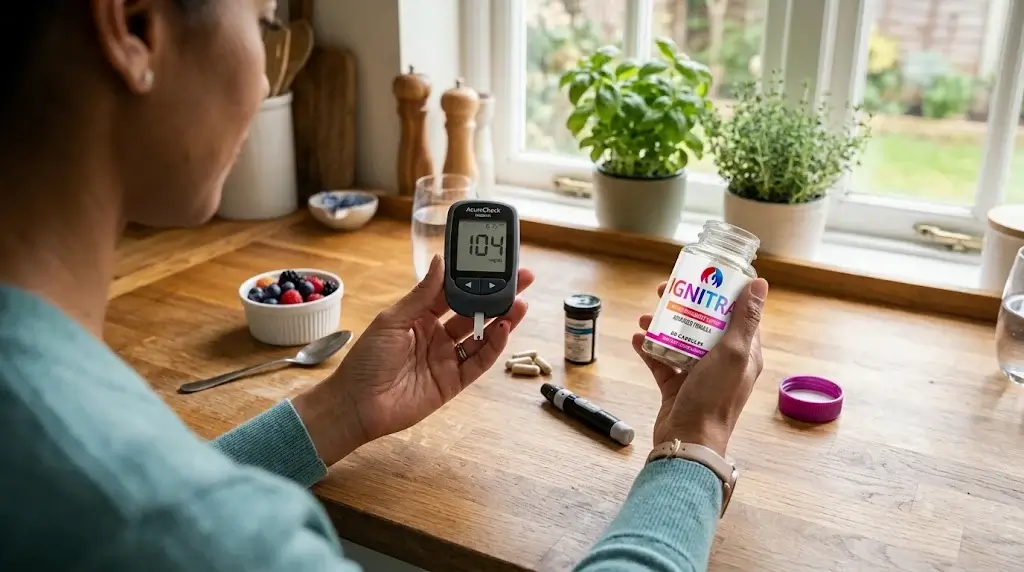
Sample Daily Protocol for Blood Sugar Support
This is a general example of how someone might integrate these supplements into a day. Note: This is not medical advice. Consult your doctor before following this or any protocol.
- Morning (with breakfast):
- Vitamin D3 (if deficient)
- Chromium Picolinate (200-400 mcg)
- Ceylon Cinnamon Extract (500-1,000 mg)
- Lunch (with meal):
- Berberine (500 mg)
- Soluble Fiber (e.g., Psyllium Husk)
- Dinner (with meal):
- Berberine (500 mg)
- Magnesium Glycinate (200-400 mg) – also aids sleep
- Evening:
- Alpha-Lipoic Acid (600 mg) – can be taken with dinner or before bed
Remember, consistency is key. Pair this with a walk after meals, which has been shown to significantly lower postprandial glucose levels.
FAQ: Common Questions About Blood Sugar Supplements
1. What are the best supplements that support blood sugar balance? The most evidence-backed options include berberine, chromium picolinate, Ceylon cinnamon, alpha-lipoic acid, and magnesium. Each works through different mechanisms, such as improving insulin sensitivity or slowing carbohydrate absorption. Always choose high-quality brands and consult your doctor first.
2. Does berberine work as well as metformin? Some studies suggest berberine can be as effective as metformin in lowering blood glucose and HbA1c in people with type 2 diabetes. It activates similar metabolic pathways, such as AMPK. However, metformin is a prescribed medication with a long safety record, so never replace it with berberine without medical supervision.
3. How long does it take for supplements to affect blood sugar? It varies by supplement and individual. Some people notice changes in energy and cravings within a few weeks, but significant changes in HbA1c (a three-month average of blood sugar) typically take 8 to 12 weeks of consistent use. Patience and regular monitoring are essential.
4. Can I take multiple blood sugar supplements together? Yes, many people combine supplements like chromium and cinnamon, or berberine and magnesium. However, stacking too many glucose-lowering agents can increase the risk of hypoglycemia. Start with one supplement at a time to assess tolerance, and always inform your healthcare provider of your full stack.
5. Are there any side effects to watch for? Common side effects include digestive issues like bloating or diarrhea, especially with berberine and high-dose magnesium. Chromium is generally well-tolerated, but high doses may cause stomach upset. If you experience dizziness, sweating, or confusion, check your blood sugar immediately as these may be signs of hypoglycemia.
6. Do these supplements help with weight loss? Indirectly, yes. By stabilizing blood sugar and reducing insulin resistance, these supplements can help reduce cravings and prevent fat storage associated with high insulin levels. Berberine, in particular, has been studied for its weight management benefits. Read more in our guide on does berberine help with weight management and cravings.
Conclusion
Finding the right supplements that support blood sugar balance can be a game-changer for your energy, cravings, and long-term metabolic health. Compounds like berberine, chromium, and cinnamon offer scientifically supported ways to enhance insulin sensitivity and manage glucose levels. However, they are tools, not cures.
Success comes from combining these supplements with a nutrient-dense diet, regular physical activity, and quality sleep. Always prioritize safety by consulting with your healthcare provider, especially if you have existing health conditions or take medications. By taking a holistic, evidence-based approach, you can build a sustainable foundation for better health and vitality.