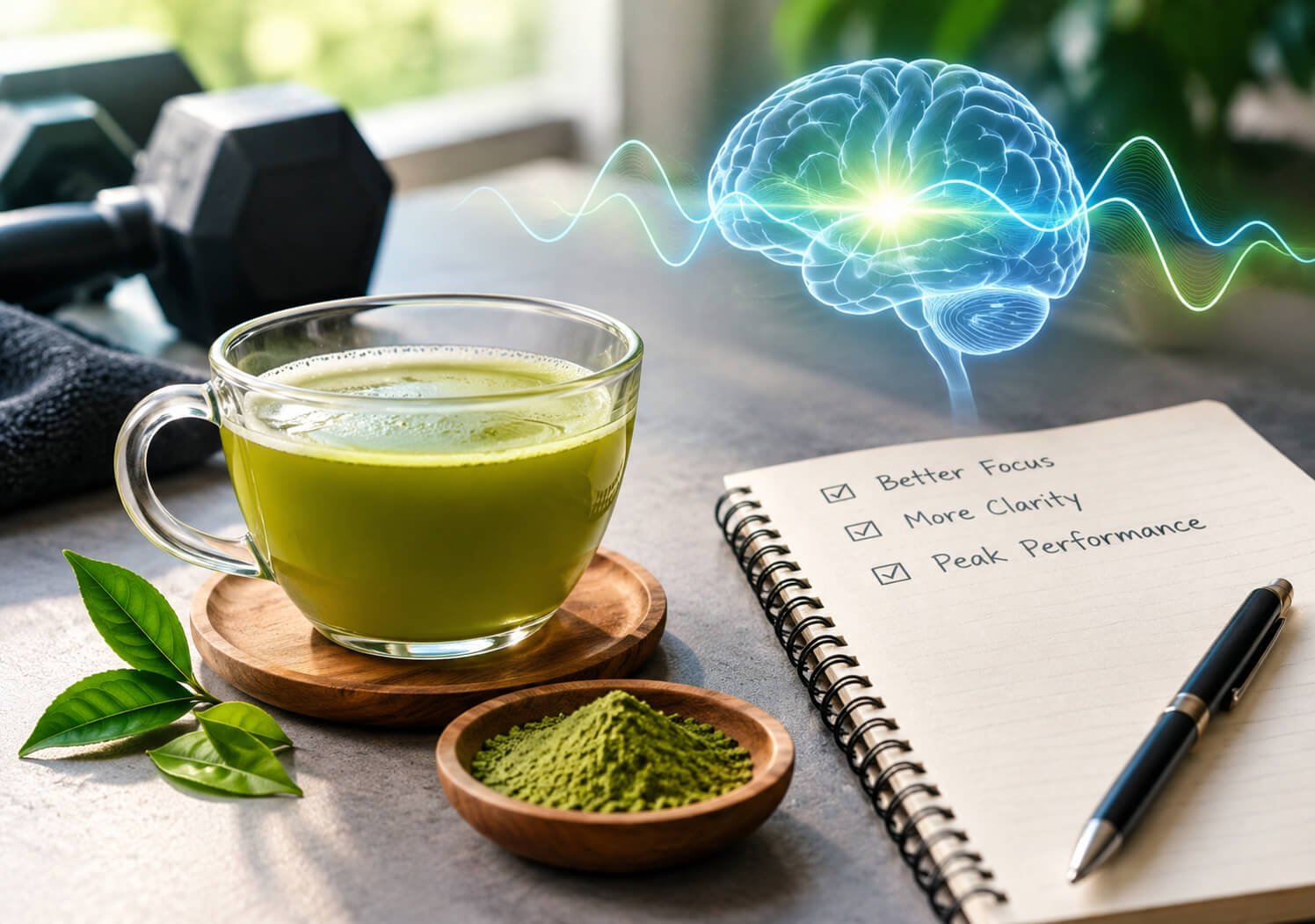
Imagine sitting down for a heavy gym session or a complex task requiring total mental clarity, but your mind is racing, hyper-stimulated from caffeine, or simply fatigued. As a certified strength and conditioning coach, I see this issue daily. Athletes and fitness enthusiasts often load up on high-stimulant pre-workouts or double shots of espresso, expecting peak athletic performance. Instead, they get jittery, anxious, and unfocused. This is where an amino acid naturally found in tea leaves enters the conversation. But does l theanine help with focus, or is it just another over-hyped supplement trend?
In this comprehensive guide, we will break down the neurobiology of L-theanine, examine what scientific clinical trials say about its impact on attention span, explore how it synergizes with caffeine, and look at practical dosing strategies for both gym performance and daily mental tasks.
Quick Answer
Yes, research demonstrates that L-theanine significantly improves focus, attention, and mental clarity. It promotes calm alertness by increasing brain alpha waves and modulating neurotransmitters like GABA, dopamine, and glutamate. When combined with caffeine, L-theanine enhances concentration and cognitive speed while reducing jitteriness, anxiety, and energy crashes.
What Is L-Theanine and How Does It Work in the Brain?
L-theanine (C7H14N2O3), chemically known as -glutamylethylamide, is a non-protein amino acid found primarily in green tea leaves (Camellia sinensis) and certain species of mushrooms. Unlike the structural amino acids your body uses to rebuild muscle tissue after a heavy squat session, L-theanine acts primarily as a neuroactive compound capable of crossing the blood-brain barrier.
Once absorbed into the bloodstream, L-theanine reaches the central nervous system in about 30 minutes. Its chemical structure closely resembles glutamate, the principal excitatory neurotransmitter in the brain. By binding to glutamate receptors without over-activating them, L-theanine acts as a weak antagonist. This blockade helps temper excessive neuronal excitation, preventing the overstimulated feeling often associated with high stress or excess caffeine consumption.
Furthermore, L-theanine influences several critical neurochemical pathways:
- Gamma-Aminobutyric Acid (GABA): L-theanine boosts brain levels of GABA, the primary inhibitory neurotransmitter responsible for promoting relaxation without sedating the brain.
- Dopamine and Serotonin: It subtly elevates levels of dopamine and serotonin in key cortical structures, supporting mood elevation, motivation, and sustained attention during demanding physical or cognitive effort.
- Brain-Derived Neurotrophic Factor (BDNF): Emerging preliminary research suggests L-theanine may support neuroplasticity and neural health under conditions of physical or mental stress.
By balancing these chemical messengers, L-theanine shifts the brain out of a hyper-reactive state into a composed, attentive state—essential for hitting a personal record on the platform or staying sharp through a long workday.
Does L Theanine Help with Focus? What the Science Says
To understand how L-theanine enhances concentration, we must look at electroencephalogram (EEG) studies examining electrical activity in the brain. Brain waves are measured in frequencies, ranging from slow delta waves during deep sleep to rapid beta waves during intense stress or anxiety.
Research published in human neurobiology literature shows that L-theanine intake reliably increases alpha brain wave activity (8–12 Hz). Alpha waves are directly associated with a state known as “relaxed alertness” or “calm focus.” This is the exact mental state top-level athletes hit when they enter a flow state—fully present, intensely attentive, yet completely relaxed under pressure.
A landmark double-blind, placebo-controlled study published in Nutritional Neuroscience evaluated the cognitive effects of L-theanine on visual attention and reaction times. Researchers found that subjects who ingested L-theanine made significantly fewer errors on attention-demanding tasks compared to those receiving a placebo. The subjects exhibited enhanced selective attention—the brain’s ability to focus on specific stimuli while filtering out background noise and distractions.
Additionally, a clinical trial published in the Journal of Clinical Psychiatry observed that L-theanine reduced subjective stress and anxiety in individuals undergoing cognitive challenges. Because high cortisol and acute stress impair prefrontal cortex function—the brain area responsible for decision-making and working memory—by blunting anxiety, L-theanine protects cognitive endurance under pressure.
When considering cognitive stamina under stress, pairing L-theanine with supportive metabolic habits can be highly effective. If you are dieting down for a athletic event, learning how to manage cravings during a calorie deficit can prevent the brain fog and irritability that disrupt workout focus.
The L-Theanine and Caffeine Synergy
While L-theanine works well on its own, its true power for athletes and high performers emerges when paired with caffeine. In the fitness world, caffeine is the undisputed king of performance enhancers. It blocks adenosine receptors in the brain, warding off tiredness and boosting central nervous system output. However, high doses of caffeine come with a cost: elevated blood pressure, rapid heart rate, muscle tremors, and acute mental jitteriness.

When you combine L-theanine with caffeine, a unique biological synergy occurs:
- Elimination of Jitters: L-theanine smooths out the peripheral vasoconstriction and sympathetic nervous system spikes caused by caffeine.
- Sustained Energy Curve: Instead of a sharp energy spike followed by an immediate crash, the combination yields a prolonged, stable plateaus of alertness.
- Enhanced Task-Switching: Research demonstrates that the combination of L-theanine and caffeine significantly improves accuracy during task-switching tests and enhances overall processing speed compared to caffeine alone.
If you struggle with post-caffeine crashes during training sessions, understanding why caffeine pills cause energy crashes and how to prevent it will help you structure your pre-workout stack safely.
The Science-Backed Nootropic Ratio
Clinical studies repeatedly highlight a specific ratio for optimizing mental focus: 2:1 L-theanine to caffeine, or an equal 1:1 ratio.
- Standard Nootropic Stack: 200 mg L-theanine + 100 mg Caffeine
- Athletic Focus Stack: 200 mg L-theanine + 150 mg–200 mg Caffeine
A clinical trial published in Biological Psychology tested a combination of 100 mg L-theanine and 50 mg caffeine. The researchers reported that participants experienced marked improvements in cognitive performance, word recognition, and rapid visual information processing, alongside reduced mental fatigue.
Benefits of L-Theanine for Athletes and Gym Performance
Why should a lifter, runner, or cross-training athlete care whether does l theanine help with focus? Modern physical training demands intense neurological engagement. Elite strength performance requires optimal neuromuscular coordination, motor unit recruitment, and acute spatial awareness.
1. Sharper Mind-Muscle Connection
Executing complex movements—such as a heavy barbell deadlift or clean and jerk—requires precise muscular recruitment. Distractions or mental fatigue lead to poor form, increasing injury risk. L-theanine fosters the quiet concentration needed to consciously engage specific muscle groups, optimizing motor drive from the motor cortex down to the working fibers.
2. Reduced Rate of Perceived Exertion (RPE)
When your nervous system is overly stressed or exhausted, workouts feel significantly heavier than they are. By dampening baseline cortisol response and modulating glutamate pathways, L-theanine helps maintain a calm physiological baseline. Athletes often report that intense sets feel more manageable, allowing them to complete planned reps without mental panic.
3. Improved Reaction Time and Spatial Awareness
In fast-paced sports like pickleball, martial arts, or sprinting, split-second decision-making is critical. Research indicates that L-theanine reduces choice reaction time while maintaining precision, helping you react faster without making sloppy errors.
4. Support for Recovery and Sleep Quality
Focus is directly tied to sleep quality. High-stimulant pre-workout supplements taken in the afternoon often ruin sleep architecture, blunting overnight recovery. While L-theanine is not a sedative, taking it post-workout or in the evening promotes nervous system down-regulation, helping you drift into deep, restorative sleep. For more on sleep’s role in physical and cognitive recovery, review how sleep affects metabolism and weight management.
L-Theanine vs. Other Focus Supplements
To understand where L-theanine fits into your supplement protocol, it helps to compare it to other common focus-enhancing compounds.
| Compound | Primary Mechanism | Best For | Typical Effective Dose | Onset of Action |
| L-Theanine | GABA/Alpha wave elevation, Glutamate modulation | Smooth alertness, anxiety reduction, caffeine pairing | 100 mg – 400 mg | 30–45 minutes |
| Caffeine | Adenosine receptor antagonist | Raw energy, central nervous system drive, power output | 100 mg – 300 mg | 30–60 minutes |
| L-Tyrosine | Dopamine and Norepinephrine precursor | Focus under severe acute physical stress/cold | 500 mg – 2,000 mg | 30–60 minutes |
| Ashwagandha | Cortisol reduction via HPA axis modulation | Chronic stress management, evening recovery | 300 mg – 600 mg | 2–4 weeks (cumulative) |
| Alpha-GPC | Acetylcholine precursor | Explosive force production, mind-muscle connection | 300 mg – 600 mg | 30–60 minutes |
While L-theanine promotes smooth focus via calming neurotransmission, amino acids like L-tyrosine work by replenishing depleted catecholamines. If you train in a heavy calorie deficit where drive and energy often drop, read our breakdown on how L-tyrosine supports energy during a calorie deficit.
Proper Dosage, Timing, and Stacking Strategies
To maximize the cognitive and physical benefits of L-theanine, precise dosing and timing are essential.
Standard Dosage Guidelines
- For General Focus & Mild Stress: 100 mg to 200 mg per serving.
- For Pre-Workout Focus (with Caffeine): 200 mg L-theanine paired with 100 mg–200 mg of caffeine.
- For Evening Relaxation & Recovery Support: 200 mg to 400 mg approximately 60 minutes before bed.
Coach’s Tip: The Pre-Workout Stack
“If high-stimulant pre-workouts give you the jitters or make your heart race before a heavy lift, stop relying on proprietary blends. Create your own stack: take 200 mg of L-theanine alongside 100 mg–150 mg of caffeine (or a clean cup of black coffee) roughly 30 to 45 minutes before training. You’ll notice a distinct shift: high energy, clear vision, and zero peripheral shakiness when you unrack the bar.”
How to Take It
- Capsules / Tablets: The most convenient method for accurate dosing.
- Powder Form: Easily mixed into your pre-workout shaker or water bottle. L-theanine powder has a mild, slightly sweet, savory taste that blends seamlessly into fluids.
- Natural Dietary Sources: Drinking 2–3 cups of ceremonial grade matcha or high-quality green tea provides roughly 25 mg to 50 mg of natural L-theanine alongside natural antioxidants.
If your goals extend to managing body composition alongside mental performance, pairing smart supplementation with adequate protein intake is vital. Explore how protein intake affects hunger and fullness hormones to ensure your nutrition aligns with your training intensity.
Common Mistakes When Using L-Theanine
Even high-quality supplements can underperform if used incorrectly. Avoid these common errors:
Common Mistake: Over-relying on L-Theanine to Fix Burnout
The Mistake: Expecting L-theanine to magically fix deep cognitive fatigue caused by chronic sleep deprivation, overtraining, severe calorie restriction, or poor lifestyle habits.
The Fix: Treat L-theanine as a fine-tuning tool, not a total fix. Ensure you are getting 7–9 hours of quality sleep, meeting baseline macronutrient needs, and keeping training stress manageable before relying on nootropics for alertness.
Other frequent mistakes include:
- Taking Too Little: Standard green tea only contains 10–20 mg of L-theanine per cup. To reach the clinical dosage for intense focus (100–200 mg), supplemental L-theanine or concentrated green tea extract is often necessary.
- Improper Ratio with Caffeine: Pairing 400 mg of heavy caffeine with only 50 mg of L-theanine will result in caffeine overpowering the amino acid’s calming benefits. Aim for a balanced 1:1 or 2:1 (L-theanine to caffeine) ratio.
- Expecting Sedative Effects: L-theanine is an anxiolytic (anxiety reducer), not a tranquilizer. Taking it before a workout will not make you drowsy or weak; it simply calms hyperactive brain states.
For athletes looking to optimize energy without stimulants, evaluating non-stimulant options is a great strategy. Check out our guide on which supplements support metabolism without stimulants.
Safety, Side Effects, and Precautions
L-theanine has an exceptional safety profile and is classified as Generally Recognized as Safe (GRAS) by the U.S. Food and Drug Administration (FDA). Human clinical trials using doses up to 400 mg daily over extended periods have demonstrated no serious adverse effects or habit-forming properties.
Potential Side Effects
Side effects are rare and generally mild, but can include:
- Mild headaches (typically when combined with high doses of caffeine)
- Slight gastrointestinal discomfort or nausea if taken on an empty stomach
- Mild dizziness or lowered blood pressure in sensitive individuals
Who Should Be Cautious?
- Individuals on Antihypertensive Medications: Because L-theanine can modestly lower blood pressure, combining it with prescription blood pressure drugs may cause additive hypotensive effects.
- Individuals Taking Prescription Sedatives: L-theanine may enhance the effects of central nervous system depressants or anti-anxiety medications.
- Pregnant or Nursing Women: Clinical safety data in pregnant or lactating individuals is limited; consult your primary healthcare provider prior to supplementation.
Note: This article is for general information and is not a substitute for advice from a doctor or physical therapist.
Sample Nootropic & Exercise Focus Protocols
To put this knowledge into practice, here are two practical protocols designed for different fitness goals.
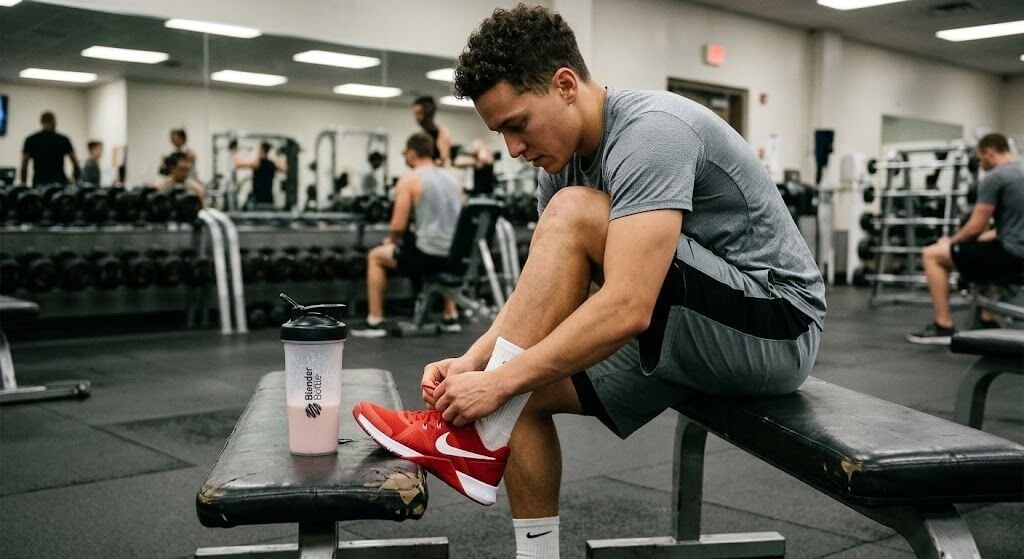
Protocol A: High-Intensity Strength & Hypertrophy Session
- Goal: Maximum focus, heavy motor unit recruitment, controlled tempo, minimal anxiety under heavy loads.
- Timing: 30–40 minutes before hitting the gym floor.
| Compound | Dosage (Imperial) | Dosage (Metric) | Purpose |
| L-Theanine | 200 mg | 0.2 g | Alpha brain wave promotion, smooth focus |
| Caffeine Anhydrous | 150 mg | 0.15 g | Central nervous system stimulation |
| L-Citrulline | 0.21 oz | 6 g (6,000 mg) | Nitric oxide production, muscle pump |
| Water | 16 fl oz | 473 ml | Baseline hydration |
Protocol B: Evening Endurance / Mobility Work
- Goal: Cognitive calm, stress reduction post-workday, smooth parasympathetic recovery.
- Timing: 45 minutes prior to evening mobility, yoga, or light cardiovascular work.
| Compound | Dosage (Imperial) | Dosage (Metric) | Purpose |
| L-Theanine | 200 mg – 300 mg | 0.2 g – 0.3 g | Promotes GABA activity and stress relief |
| Magnesium Glycinate | 200 mg | 0.2 g | Neuromuscular relaxation |
| Water | 12 fl oz | 355 ml | Hydration without bladder overload before sleep |
Maintaining steady energy throughout training also relies on foundational cellular support. If you suspect your low energy stems from underlying nutritional deficits rather than focus issues, review our analysis on which vitamins support metabolism when you have a deficiency.
Frequently Asked Questions
How long does L-theanine take to work for focus?
L-theanine rapidly crosses the blood-brain barrier, reaching peak plasma concentration within 30 to 45 minutes after oral ingestion. Its cognitive and relaxing effects typically last between 3 to 5 hours, making it ideal to take roughly 30 minutes before a demanding workout or study session.
What is the best L-theanine dosage for focus?
The most effective clinical dosage for mental focus ranges between 100 mg and 200 mg. When paired with caffeine, a 2:1 ratio (200 mg L-theanine to 100 mg caffeine) or a 1:1 ratio is most commonly recommended to optimize attention span while blunting jitters.
Does L-theanine cause brain fog?
No, L-theanine does not typically cause brain fog. Unlike sedating medications, L-theanine increases alpha brain waves, which foster calm alertness rather than drowsiness. However, taking excessively high doses (over 600 mg) without a stimulant may cause over-relaxation in sensitive individuals.
Can you take L-theanine every day for focus?
Yes, L-theanine is non-habit forming and safe for daily use. Clinical studies have evaluated daily supplementation over several weeks without observing tolerance build-up, dependence, or withdrawal symptoms. However, cycling supplements periodically is always a solid coaching practice.
Does L-theanine help with workout concentration?
Yes, L-theanine helps with workout concentration by sharpening selective attention and reducing baseline mental stress. By dampening the peripheral jitters caused by pre-workout stimulants, it allows lifters and athletes to maintain precise movement mechanics and a strong mind-muscle connection during heavy training sets.
How does L-theanine compare to L-tyrosine for energy?
L-theanine and L-tyrosine work through different mechanisms. L-theanine calms nervous system over-excitation and enhances smooth focus via GABA and alpha wave activity. L-tyrosine acts as a precursor to dopamine and norepinephrine, helping maintain energy and focus specifically under severe acute physical stress or cold exposure.
Conclusion
So, does l theanine help with focus? The evidence—from human EEG brain wave trials to real-world performance protocols—gives a clear answer: yes. L-theanine is a safe, natural, research-backed non-protein amino acid that promotes a unique state of calm alertness. By elevating GABA and alpha brain wave activity while tempering excessive glutamate stimulation, it allows athletes and busy professionals to concentrate deeply without feeling over-stimulated.
Whether taken on its own for stress relief or paired with caffeine for a clean pre-workout stack, L-theanine eliminates jitters, smooths out cognitive fatigue, and sharpens the mind-muscle connection. Dial in your baseline nutrition, optimize your sleep habits, and leverage L-theanine to bring calm, undivided focus to your training and daily life.