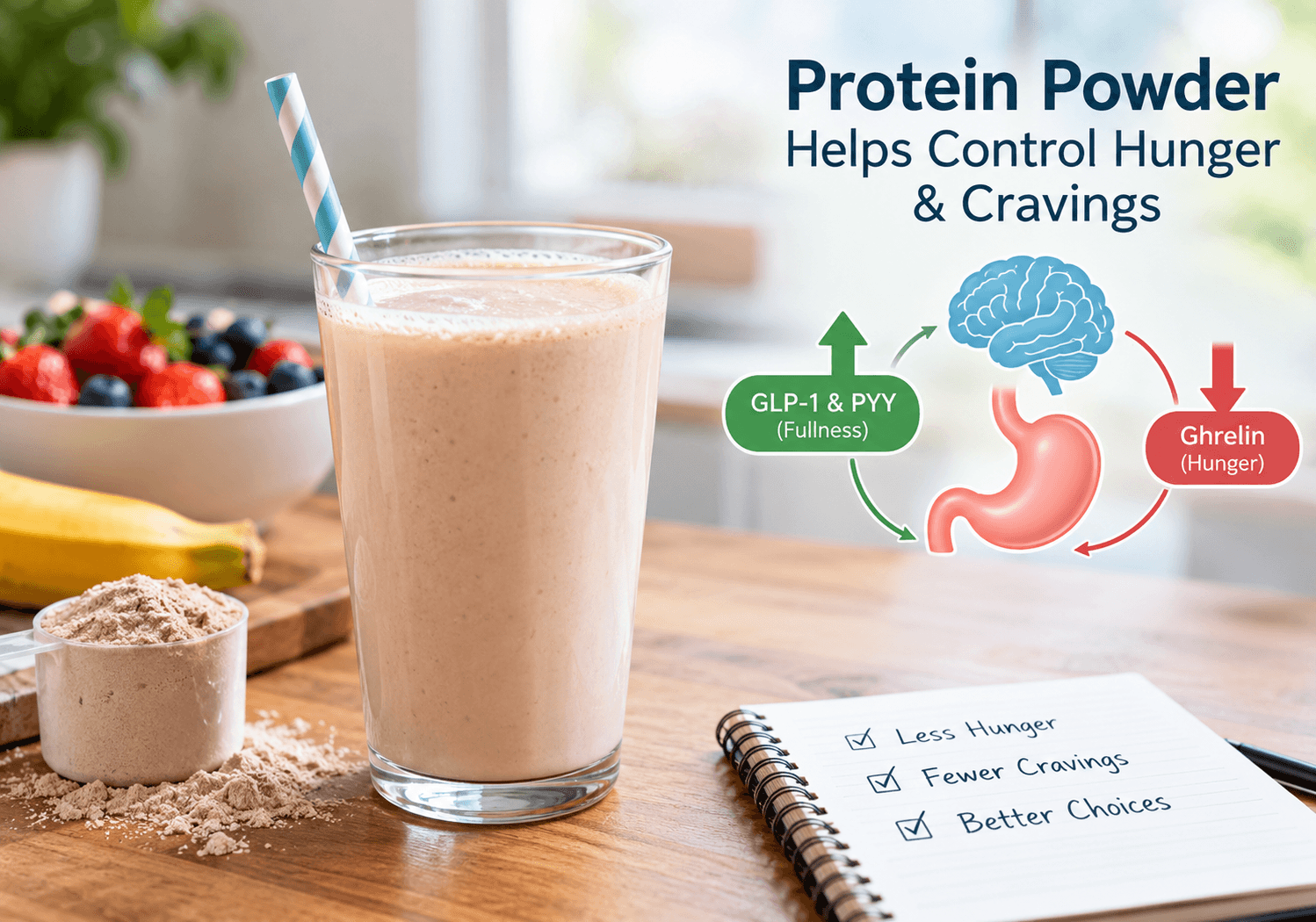
Managing hunger is often the most difficult part of any weight loss or body composition journey. When you reduce your overall calorie intake, your body naturally signals that it wants more energy. This biological pushback can derail even the most disciplined plans. If you are wondering, “How does protein powder help control hunger and cravings?” the answer lies in basic human biology. Protein is the most satiating of all macronutrients.
As a certified strength and conditioning coach, I see clients struggle with intense hunger pangs that lead to poor food choices. Adding a high-quality protein shake to your daily routine is not a magic trick. It is a scientifically validated strategy to work with your body’s natural hunger signals. This guide breaks down exactly how protein influences your appetite, which types work best, and how to build a practical, sustainable routine around them.
Quick Answer
Protein powder helps control hunger and cravings by increasing satiety hormones like GLP-1 and peptide YY while lowering the hunger hormone ghrelin. It also has a high thermic effect, meaning your body burns more calories digesting it. Drinking a shake provides a low-calorie, high-volume option that stabilizes blood sugar and prevents sudden energy crashes.
The Science: How Does Protein Powder Help Control Hunger and Cravings?
To understand why protein works so well, we must look at what happens inside your digestive system and brain. Dietary protein triggers a cascade of physiological responses that directly oppose feelings of hunger. Research consistently shows that protein outperforms both carbohydrates and fats when it comes to keeping you full.
1. Hormonal Regulation (Ghrelin, GLP-1, and PYY)
Your gut acts as a major endocrine organ, constantly communicating with your brain. When you consume protein, it directly impacts three key hormones. First, it suppresses ghrelin, which is widely known as the “hunger hormone.” Lower ghrelin levels mean fewer intense hunger pangs.
Second, protein stimulates the release of glucagon-like peptide-1 (GLP-1) and peptide YY (PYY). According to research published by the National Institutes of Health (NIH), these hormones are powerful appetite suppressants. They slow down the rate at which your stomach empties its contents into the small intestine. This delayed gastric emptying keeps food in your stomach longer, sending continuous “fullness” signals to your brain via the vagus nerve.
2. The Thermic Effect of Food (TEF)
Every time you eat, your body expends energy to digest, absorb, and process nutrients. This is called the Thermic Effect of Food (TEF). Protein has a significantly higher TEF compared to other macronutrients.
A study in the Journal of the American College of Nutrition highlights that the body uses 20% to 30% of the calories in protein just to digest it. In contrast, the body only uses 5% to 10% of carbohydrate calories and 0% to 3% of fat calories for digestion. This means a 100-calorie serving of protein powder effectively only nets your body 70 to 80 calories, while simultaneously keeping you fuller for a longer period.
3. Blood Sugar Stabilization
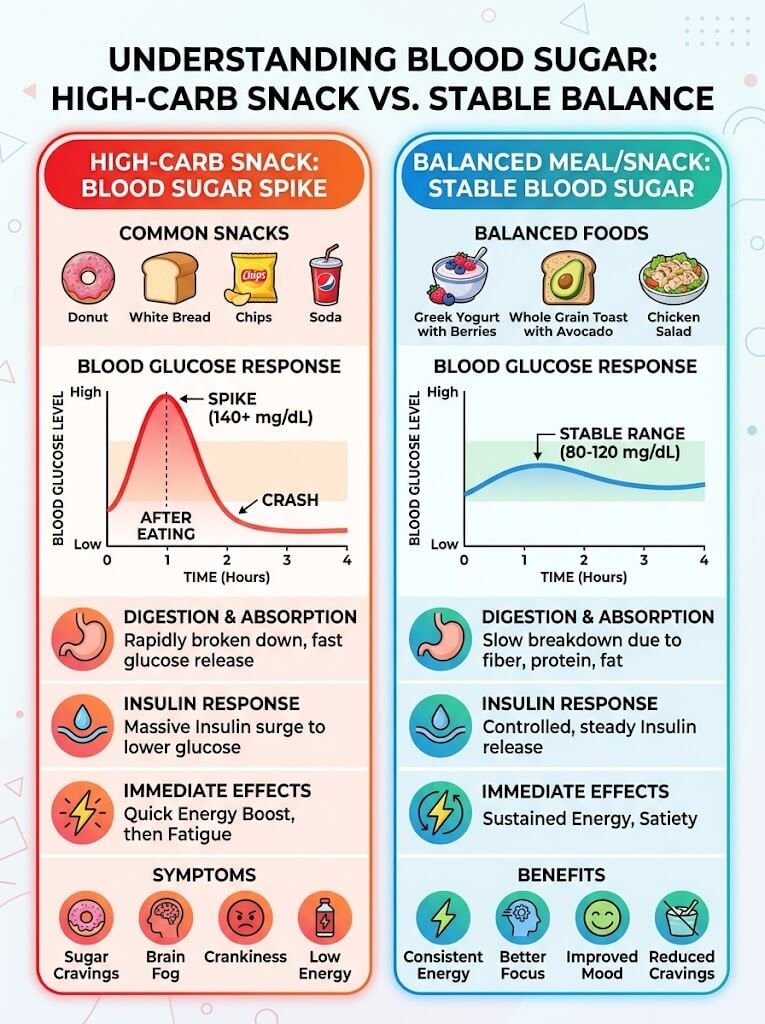
Rapidly digested carbohydrates cause a sharp surge in blood glucose, followed by a steep drop. This crash is a primary trigger for cravings, especially for sugary or high-fat comfort foods. Protein digests much more slowly. When you consume protein powder, especially when paired with a small amount of fiber or healthy fat, it blunts the insulin response.
Stable blood sugar levels prevent the reactive hypoglycemia that drives mid-afternoon snack attacks. For individuals focused on metabolic health, combining adequate protein with strategies that support glucose metabolism creates a highly effective, multi-layered approach to managing energy and hunger throughout the day.
Protein Types Compared: Which is Best for Satiety?
Not all protein powders are created equal when it comes to appetite suppression. The source of the protein dictates how quickly it digests and how strongly it triggers satiety hormones. Below is a detailed comparison to help you choose the right tool for your goals.
| Protein Type | Digestion Speed | Satiety Rating (1-10) | Best Time to Use | Typical Serving Size |
| Whey Isolate | Fast (30-60 mins) | 8/10 | Post-workout or morning | 1 scoop (25-30g) |
| Casein | Slow (4-7 hours) | 10/10 | Evening or between meals | 1 scoop (30-35g) |
| Pea Protein | Moderate (1-2 hours) | 7/10 | Anytime (vegan option) | 1 scoop (25-30g) |
| Soy Protein | Moderate (1-2 hours) | 8/10 | Anytime (vegan option) | 1 scoop (25-30g) |
| Collagen | Fast (30-60 mins) | 4/10 | Skin/joint support (not for hunger) | 1-2 scoops (10-20g) |
Whey Protein is derived from milk and is rich in branched-chain amino acids (BCAAs), particularly leucine. It triggers a rapid spike in muscle protein synthesis and provides a strong, immediate sense of fullness.
Casein Protein is also derived from milk but behaves differently. When it hits the acidic environment of your stomach, it forms a gel-like clot. This dramatically slows digestion, providing a steady trickle of amino acids into your bloodstream for hours. This makes casein the superior choice for curbing late-night cravings or keeping you full between long gaps in meals.
Plant-Based Proteins like pea and soy are excellent alternatives for those with dairy sensitivities. Pea protein, in particular, has been shown in clinical trials to be just as effective as whey at promoting feelings of fullness and reducing subsequent food intake.
Practical Steps: How Does Protein Powder Help Control Hunger and Cravings?
Knowing the science is only half the battle. As a coach, I design actionable, step-by-step plans for my clients. Here is exactly how to apply this knowledge to your daily routine to maximize appetite control and support an active lifestyle.
Step 1: Calculate Your Daily Protein Baseline
Before adding powder, you must know your target. The American College of Sports Medicine (ACSM) recommends that active individuals consume between 0.54 to 0.77 grams of protein per pound of body weight (1.2 to 1.7 grams per kg) daily.
- Example: A 150 lb (68 kg) woman should aim for 81 to 115 grams of total protein per day.
- Protein powder should fill the gaps in your diet, not replace whole food meals entirely. Aim to get 1 to 2 servings (20 to 30 grams each) from powder daily.
Step 2: Strategic Timing for Maximum Satiety
Timing matters. Drinking a shake randomly will not yield the best results. Target these three high-leverage windows:
- Breakfast (7:30 AM): Replacing a high-carb breakfast (like a bagel) with a protein shake stabilizes your blood sugar for the entire morning, preventing mid-morning cravings.
- Mid-Afternoon Slump (3:30 PM): This is when willpower is lowest. A shake acts as a bridge to dinner, preventing you from raiding the vending machine.
- Evening (8:00 PM): A slow-digesting casein shake can eliminate late-night snacking urges, which are often driven by boredom rather than true physiological hunger.
Step 3: The Anti-Craving Shake Formula
A plain protein shake with water might leave you hungry in an hour. To maximize the appetite-suppressing effects, you must add volume and fiber.
The Blueprint:
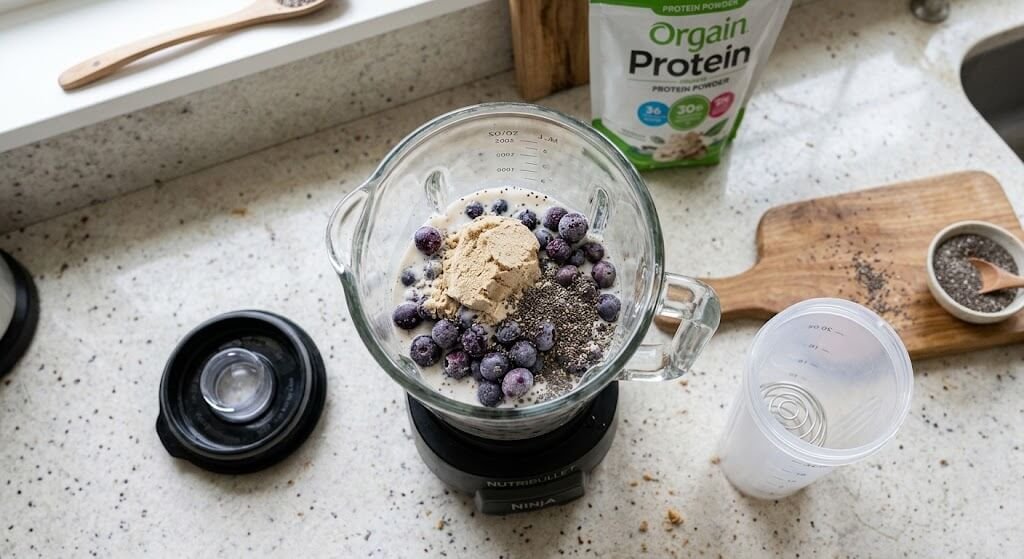
- 1 scoop (30g) of Whey or Casein protein powder (provides ~24g protein).
- 10 to 12 oz (300 to 350 ml) of unsweetened almond milk or water.
- 1 tbsp (15g) of chia seeds or ground flaxseed (adds 5g of soluble fiber).
- 1/2 cup (75g) of frozen berries (adds volume, fiber, and antioxidants).
Blend this mixture. The combination of protein, fiber, and liquid volume creates a highly satiating meal replacement that takes up significant space in your stomach.
Coach’s Tip: Drink your shake slowly. It takes approximately 20 minutes for the satiety hormones (GLP-1 and PYY) to reach your brain and register fullness. If you chug a shake in 30 seconds, you may still feel hungry. Sip it over 15 to 20 minutes while doing a light task.
Common Mistake: Treating protein powder as a free-for-all. Many clients add peanut butter, bananas, honey, and whole milk to their shakes, accidentally creating a 600+ calorie beverage that exceeds their daily caloric deficit. Measure your ingredients. A standard serving of peanut butter is 2 tbsp (32g), not a heaping scoop.
Regression and Progression
Not everyone tolerates a full shake immediately. Adjust the protocol to your current tolerance.
- Regression (Easier): Start with half a scoop (15g) of protein powder mixed with 8 oz (240 ml) of water. Drink it slowly. This introduces your digestive system to the supplement without causing bloating, while still taking the edge off mild cravings.
- Progression (Harder): Use 1.5 scoops (45g) of casein protein blended with 1 cup (30g) of fresh spinach, 1 tbsp (15 ml) of MCT oil, and 12 oz (350 ml) of water. This creates a high-volume, high-fiber, high-protein meal replacement that will keep you completely full for 4 to 5 hours.
Safety Notes and Precautions
While protein powder is generally safe for healthy individuals, there are important safety and health considerations to keep in mind.
Kidney Health Myths vs. Reality
A persistent myth suggests that high protein intake damages the kidneys. According to the Mayo Clinic, high-protein diets do not harm kidney function in healthy individuals. However, if you have pre-existing chronic kidney disease (CKD), you must consult a nephrologist before increasing your protein intake, as compromised kidneys struggle to filter the byproducts of protein metabolism.
Digestive Distress and Lactose Intolerance
Whey concentrate contains lactose. If you are lactose intolerant, consuming it can cause severe bloating, gas, and abdominal cramping, which people often mistake for “feeling full.” If you experience this, switch to whey protein isolate (which has most lactose removed) or a plant-based alternative like pea or soy protein. Additionally, some artificial sweeteners (like sucralose or sugar alcohols) can cause gastrointestinal distress in sensitive individuals.
Heavy Metals and Quality Control
The supplement industry is not as strictly regulated as pharmaceuticals. Independent testing by organizations like ConsumerLab has occasionally found trace amounts of heavy metals (lead, arsenic, cadmium) in low-quality protein powders.
- The Fix: Always choose brands that carry third-party testing seals, such as “NSF Certified for Sport” or “Informed Choice.” These certifications guarantee the product contains what the label claims and is free from harmful contaminants.
Medical Disclaimer
If you have a history of eating disorders, kidney disease, or are pregnant or breastfeeding, consult a doctor or registered dietitian before using protein supplements. This article is for general information and is not a substitute for advice from a doctor or physical therapist.
Related Tips for Long-Term Success
Diet and exercise are deeply interconnected. Relying solely on protein powder without addressing other lifestyle factors will limit your results. Here are three related tips to maximize your hunger control and overall health.
1. Prioritize Sleep to Regulate Hunger Hormones
Poor sleep directly sabotages appetite control. Sleep deprivation increases ghrelin (hunger) and decreases leptin (fullness). A study in the Annals of Internal Medicine found that sleep-deprived individuals consumed significantly more calories from snacks than those who slept 8.5 hours. Aim for 7 to 9 hours of quality sleep per night to let your hormones work in your favor.
2. Hydration Masks as Hunger
The hypothalamus regulates both thirst and hunger, and the signals can easily be confused. Many “cravings” are simply mild dehydration. Before reaching for a snack or a protein shake, drink 12 oz (350 ml) of water and wait 15 minutes. Proper hydration also supports optimal circulation. Understanding how L-citrulline helps produce nitric oxide can be highly beneficial here, as proper hydration and nitric oxide production work together to ensure efficient nutrient delivery and waste removal during your workouts.
3. Combine Protein with Resistance Training
Protein controls hunger, but resistance training builds the metabolically active tissue that burns calories at rest. When you lift weights, you create micro-tears in your muscle fibers. Your body then uses the amino acids from your protein shake to repair and build those fibers stronger. This process improves your overall body composition. Furthermore, regular exercise improves cardiovascular efficiency. Many athletes explore the nitric oxide benefits for men’s health, blood flow, and more to support the increased cardiovascular demands of a structured training program.
For those evaluating their broader supplement stack, knowing the difference between L-arginine vs L-citrulline for blood flow can help you make informed, evidence-based choices that complement your high-protein diet. Ultimately, maintaining nitric oxide healthy blood vessel function supports the systemic demands of both weight loss and strength training, ensuring your body operates at peak efficiency.

Frequently Asked Questions (FAQ)
1. Does protein powder stop sugar cravings? Yes, it can significantly reduce them. Sugar cravings are often triggered by blood sugar crashes. Protein digests slowly and blunts the insulin response, keeping your blood glucose levels stable. This prevents the reactive hypoglycemia that drives the urge to seek out quick, sugary energy sources.
2. How much protein powder should I drink to feel full? For most adults, 20 to 30 grams of protein per serving is the sweet spot for triggering satiety hormones. This typically equals one standard scoop. Drinking more than 40 grams in a single sitting does not proportionally increase fullness and may cause digestive discomfort.
3. Is whey or casein better for appetite control? Casein is generally better for prolonged appetite control. Because it forms a gel in the stomach, it digests over 4 to 7 hours, providing a slow, steady release of amino acids and keeping you full for an extended period. Whey is better for immediate, short-term fullness, such as right after a workout.
4. Can drinking protein shakes reduce late-night snacking? Absolutely. Late-night snacking is often driven by a drop in satiety hormones after dinner. Consuming a casein protein shake about 60 to 90 minutes before bed provides a slow-digesting protein source that keeps you full throughout the night, effectively eliminating the urge to raid the pantry.
5. What is the best time to drink protein powder for weight loss? The most strategic times are breakfast and mid-afternoon. Using a shake at breakfast replaces high-carb, low-satiety meals, setting a stable tone for the day. An afternoon shake bridges the gap between lunch and dinner, preventing the evening hunger that leads to overeating.
6. Does protein powder cause weight gain or loss? Protein powder itself does not cause weight gain or loss; total daily calories do. If a protein shake helps you stay in a caloric deficit by replacing higher-calorie, less-filling foods, it will aid weight loss. If you add shakes on top of your normal diet without adjusting calories, it may lead to weight gain.
Conclusion
When asking how does protein powder help control hunger and cravings, the scientific evidence is clear and compelling. Protein is a powerful tool that manipulates your body’s natural hunger hormones, increases the calories you burn through digestion, and stabilizes your blood sugar. By strategically incorporating 20 to 30 grams of high-quality whey, casein, or plant-based protein into your daily routine, you can transform your relationship with hunger.
Remember that protein powder is a supplement, not a magic bullet. It works best when paired with adequate hydration, quality sleep, and a consistent resistance training program. Start with one shake a day, monitor how your body responds, and adjust your portions as needed. Sustainable weight management is not about enduring constant starvation; it is about making smart, biological choices that keep you full, energized, and on track.