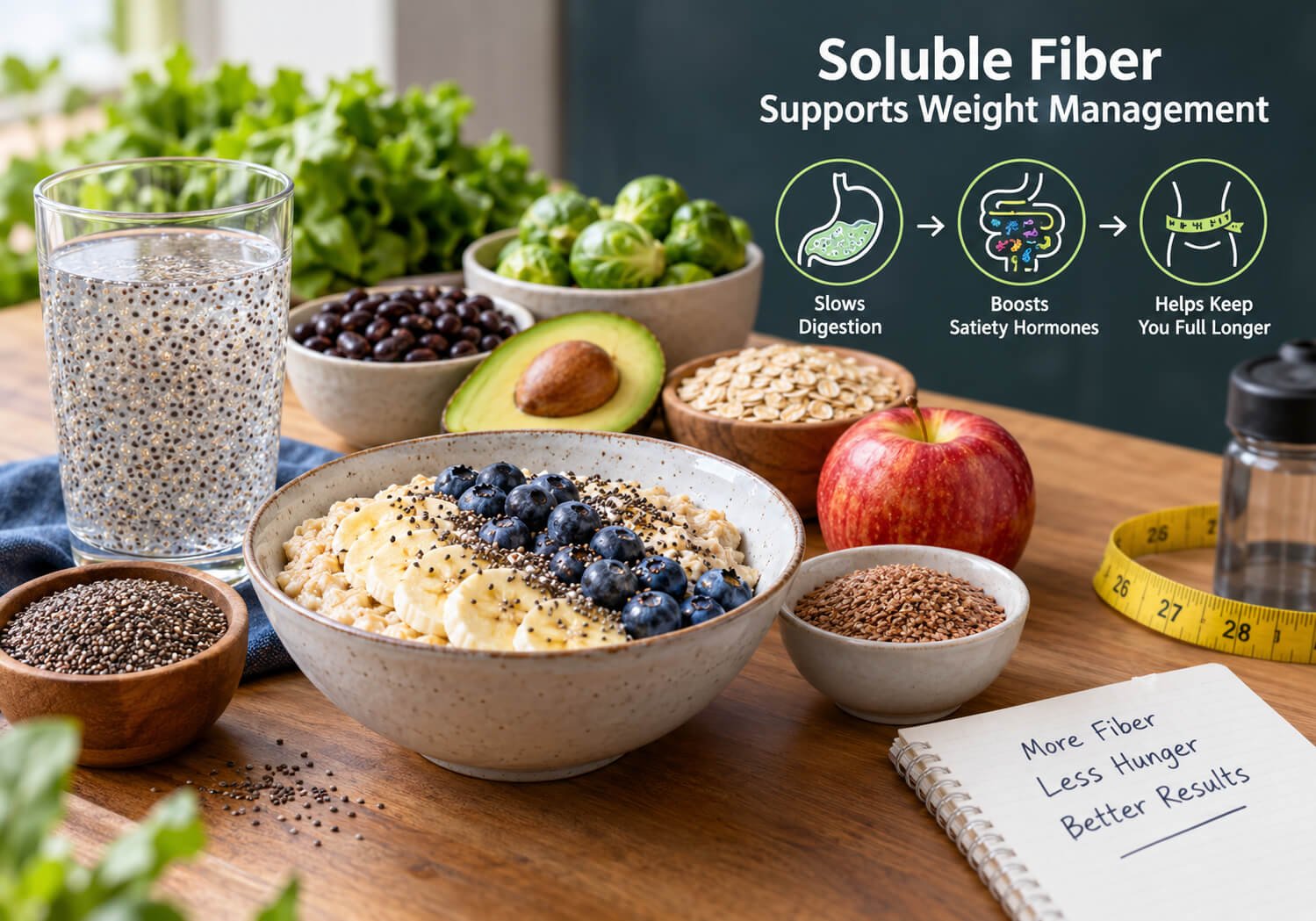
Whether you are stepping into a gym for the first time or looking to trim down to reveal the muscle you have worked hard to build, getting control over your appetite is often the hardest part of the process. You can follow a structured training program, hit your daily steps, and stay consistent in the weight room, but if persistent hunger leads to overeating, your body composition goals will stall.
That is where dietary nutrition becomes your primary tool. Specifically, understanding how soluble fiber helps with weight management can give you a massive advantage in controlling hunger, keeping energy levels stable, and promoting long-term fat loss without feeling constantly deprived.
What Is Soluble Fiber and How Does It Work in the Body?
Dietary fiber is the indigestible part of plant foods. Unlike simple carbohydrates, fats, or proteins, your body lacks the digestive enzymes required to break down fiber into absorbable energy molecules in the stomach or small intestine. Fiber is broadly classified into two categories: insoluble and soluble.
Soluble fiber dissolves in water and liquid digestive juices. As it absorbs fluid, it transforms into a viscous, jelly-like substance. This unique structural transformation slows the movement of food through your digestive tract.
Insoluble fiber acts more like a biological broom, adding bulk to your stool and accelerating passage through the intestines. While insoluble fiber is vital for general digestive health, soluble fiber plays the starring role when it comes to appetite regulation, satiety, and body composition.
When you consume foods rich in soluble fiber—such as oats, legumes, chia seeds, or psyllium husk—the resulting viscous gel acts as a physical barrier. It slows down the enzymatic breakdown of carbohydrates and other macronutrients, delaying the rate at which your stomach empties into the small intestine. To understand how dietary fiber helps with appetite and weight management, we have to look closely at the mechanical and hormonal mechanisms occurring within your gut.
4 Main Ways Soluble Fiber Supports Weight Loss
1. Slowing Gastric Emptying and Increasing Fullness
The physical presence of a viscous gel in your stomach and upper intestinal tract significantly delays gastric emptying. When your stomach remains physically distended for longer after a meal, stretch receptors in the stomach wall send direct neural signals up the vagus nerve to the brain, communicating that you are full.
Research published in the Journal of Nutrition demonstrates that viscous soluble fibers—such as beta-glucan and psyllium—are far more effective at prolonging satiety and reducing subsequent meal intake than non-viscous fibers. If you are struggling with mid-afternoon snack cravings, learning how soluble fiber helps you feel full longer can provide a simple, practical fix.

2. Boosting Satiety Hormones (GLP-1 and PYY)
Beyond its physical effects, soluble fiber acts as a biochemical catalyst for satiety hormones. As the viscous gel moves down into the large intestine, your beneficial gut microbiota ferment these soluble fibers.
This fermentation process produces metabolic byproducts known as short-chain fatty acids (SCFAs), primarily:
- Acetate
- Propionate
- Butyrate
According to a comprehensive review in Cell Host & Microbe, SCFAs bind to specific receptors (FFAR2 and FFAR3) on the enteroendocrine L-cells in your gut lining. This binding triggers the release of key satiety hormones:
- Glucagon-Like Peptide-1 (GLP-1): Delays gastric emptying and signals fullness to the hypothalamus.
- Peptide YY (PYY): Significantly reduces appetite and suppresses food intake over subsequent hours.
At the same time, this process suppresses the secretion of ghrelin, the body’s primary “hunger hormone.” When ghrelin levels drop, your brain receives far fewer signals to seek high-calorie foods.
3. Stabilizing Blood Sugar and Preventing Insulin Spikes
When you eat refined carbohydrates lacking fiber, your digestive system breaks them down rapidly into glucose. This causes a rapid spike in blood glucose, prompting your pancreas to release a large dose of insulin to shuttle that glucose into cells.
The resulting rapid drop in blood sugar (reactive hypoglycemia) often leaves you feeling fatigued, irritable, and craving fast-acting, high-sugar snacks short after finishing a meal.
Because soluble fiber forms a gel-like barrier, it slows the digestion and absorption of glucose into the bloodstream. A review in the American Journal of Clinical Nutrition indicates that incorporating soluble fiber into carbohydrate-containing meals flattens the post-meal blood glucose curve and reduces the total insulin response. Stable insulin and glucose levels help you maintain consistent physical energy throughout the day, preventing sudden binges.
4. Reducing Caloric Absorption
An overlooked benefit of soluble fiber is its ability to trap a small portion of dietary fats and carbohydrates within its gel matrix, preventing them from being fully digested and absorbed in the small intestine. These trapped nutrients pass through to the large intestine unabsorbed.
While this effect amounts to a minor reduction in daily usable energy—typically around 50 to 100 calories per day—over months of consistency, this passive deficit contributes directly to body fat reduction without requiring drastic dietary cuts.
Coach’s Tip: Think of soluble fiber as an internal metabolic anchor. When you are in a caloric deficit for fat loss, hunger is your biggest enemy. Adding 10 to 15 grams of soluble fiber to your breakfast or pre-lunch meal creates a physical barrier that keeps hunger at bay well into the afternoon.
Soluble Fiber and Belly Fat: What Does the Research Say?
Many gymgoers ask whether soluble fiber specifically targets abdominal or visceral fat—the deep belly fat that surrounds vital organs and carries elevated risks for cardiovascular disease and metabolic dysfunction.
A landmark longitudinal study published in Obesity tracked participants over a five-year period to observe the impact of lifestyle habits on visceral fat accumulation. The researchers found that for every 10-gram increase in daily soluble fiber consumed, the rate of visceral fat accumulation decreased by 3.7%. When combined with moderate physical activity, the reduction in visceral fat accumulation was even more pronounced. Why does soluble fiber show such a distinct relationship with visceral fat reduction?
- SCFA Production: Short-chain fatty acids produced via fiber fermentation increase hepatic fat oxidation (fat burning in the liver) and reduce lipogenesis (fat storage).
- Systemic Inflammation Reduction: Soluble fiber supports tight junctions in the intestinal barrier, preventing endotoxins (such as lipopolysaccharides) from leaking into the bloodstream and driving systemic, low-grade inflammation—a key contributor to metabolic storage around the midsection.
While spot reduction of fat is a biological impossibility—you cannot choose the exact spot where fat leaves your body first—optimizing your soluble fiber intake supports systemic hormone balance and a sustained caloric deficit, which ultimately reduces overall body fat and visceral midsection fat.
Top Food Sources of Soluble Fiber
While supplements have their place, real, whole foods should always form the foundation of your nutrition strategy. Whole foods provide a matrix of vitamins, minerals, phytonutrients, and water alongside fiber.
Key Types of Soluble Fiber to Look For:
- Beta-Glucan: Plentiful in oats and barley. Known for lowering LDL cholesterol and forming high-viscosity gels in the stomach.
- Pectins: Abundant in apples, citrus fruits, and carrots. Highly fermentable by gut bacteria to generate beneficial SCFAs.
- Mucilages and Gums: Found in chia seeds, flaxseeds, and psyllium. Exceptional at holding water and delaying gastric emptying.
- Inulin and Oligofructose: Present in chicory root, garlic, onions, and asparagus. Acts as potent prebiotics to feed healthy gut microflora.

Soluble Fiber Supplements: Psyllium, Glucomannan, and Inulin
Getting all your daily fiber from whole foods is ideal, but busy schedules or lower calorie budgets can make reaching target fiber goals tricky. In these cases, fiber supplements can be an effective tool.
Psyllium Husk
Psyllium husk is derived from the seeds of the Plantago ovata plant. It is one of the most studied and versatile fiber supplements available. When mixed with liquid, psyllium forms a thick gel.
Taking psyllium before meals expands volume in the stomach and promotes significant early satiety. Research into whether psyllium husk can help you feel full before meals shows clear reductions in post-meal glucose spikes and reported hunger levels.
Glucomannan (Konjac Root)
Extracted from the root of the elephant yam (Amorphophallus konjac), glucomannan is an exceptionally viscous soluble fiber capable of absorbing up to 50 times its weight in water. Because it forms such an expanded gel, small doses (typically 1 gram taken with a large glass of water 30 minutes before meals) can significantly promote early fullness.
Clinical trials on glucomannan and hunger reduction indicate that it supports short-term weight management when paired with an energy-restricted diet.
Inulin
Inulin is a prebiotic soluble fiber often added to high-fiber protein bars or taken in powder form. While it does not form as thick a gel as psyllium or glucomannan, it excels at feeding Bifidobacteria in the colon, driving SCFA production.
However, because it ferments rapidly, taking high doses of inulin too quickly can cause gas and abdominal discomfort.

Daily Fiber Recommendations and How to Scale Up Safely
The USDA Dietary Guidelines for Americans recommend a minimum daily total fiber intake based on age and sex:
- Adult Women (19–50 years): 25 to 28 grams per day
- Adult Men (19–50 years): 31 to 38 grams per day
Of this total, sports nutrition specialists generally advise that at least 8 to 15 grams per day should come from soluble fiber to maximize appetite regulation, gut health, and glycemic control.
Common Mistake: Jumping from a low-fiber diet (e.g., 10g/day) to 35g/day overnight. This sudden increase overloads gut bacteria, leading to painful bloating, severe gas, and abdominal cramps. Scale up gradually over 2 to 3 weeks and drink plenty of water.
Step-by-Step Protocol to Increase Soluble Fiber Comfortably
- Week 1 Baseline: Track your current intake without making major changes. Most adults eat only 12 to 15 grams of total fiber per day.
- Week 2 Ramp-Up: Add 3 to 5 grams of soluble fiber daily. (Example: Add 2 tablespoons of chia seeds to your morning protein shake or eat 1 cup of cooked oatmeal).
- Week 3 Expansion: Add another 3 to 5 grams per day by introducing a daily cup of black beans or Brussels sprouts to dinner, or taking a single 3-gram serving of psyllium husk powder in water before lunch.
- Hydration Requirement: For every 5 grams of fiber you add, increase your daily fluid intake by at least 8 to 12 fluid ounces (240–350 ml) of water. Soluble fiber needs water to form its stomach-filling gel; without enough fluid, it can slow down digestion too much and cause constipation.
Combining Soluble Fiber with Protein and Training for Maximum Results
While understanding how soluble fiber helps with weight management is vital, fiber works best as part of a complete nutrition plan. Combining soluble fiber with adequate protein creates a powerful strategy for satiety and muscle retention during fat loss.
When you pair high-protein foods with high-soluble-fiber foods, you target satiety through two distinct pathways:
- Protein triggers satiety peptide release (like CCK and PYY) while requiring significant energy to break down, boosting your body’s energy expenditure via the thermic effect of food (TEF). Learning how protein intake affects hunger and fullness hormones helps explain why this pairing works so well.
- Soluble Fiber slows the physical passage of that protein and other nutrients through the stomach, extending the time those satiety signals remain active.
Furthermore, if you are engaging in strength training, keeping high-protein meals paired with fiber helps protect lean muscle mass while keeping you in the caloric deficit required to shed fat. Knowing how protein helps control hunger during weight loss can help you build meal plans that prevent muscle loss while trimming fat.

Safety, Potential Side Effects, and Who Should Be Careful
While soluble fiber offers clear benefits for health and weight management, it is important to implement it safely.
Potential Side Effects
- Gas and Flatulence: As gut bacteria ferment soluble fiber into SCFAs, gas is produced as a natural byproduct. Scaling up fiber intake slowly gives your microbiome time to adapt, minimizing gas.
- Abdominal Bloating and Fullness: Highly viscous fibers hold fluid and expand in the gut, which can cause temporary bloating if consumed in excess or without enough water.
- Constipation: Consuming high amounts of supplemental soluble fiber without adequate fluid intake can slow intestinal motility too much, leading to hard stools or blockages.
Important Drug Interactions
Because soluble fiber slows gastric emptying and can absorb compounds within its gel matrix, it can reduce or delay the absorption of certain medications.
- Oral Diabetes Medications: Soluble fiber lowers blood sugar spikes, which may require dosage adjustments for medications like metformin or insulin under medical supervision.
- Thyroid Medications (e.g., Levothyroxine): Fiber supplements can bind to thyroid hormone replacement drugs, reducing their absorption. Take thyroid medications at least 1 hour before or 2 to 4 hours after high-fiber supplements.
- Tricyclic Antidepressants and Cardiac Glycodides (e.g., Digoxin): Absorption may be delayed or decreased if taken concurrently with psyllium or glucomannan.
Always consult a qualified healthcare provider or registered dietitian before introducing high-dose fiber supplements if you take prescription medications, have a history of bowel obstruction, or suffer from gastrointestinal disorders such as Crohn’s disease, ulcerative colitis, or severe gastroparesis.
Frequently Asked Questions
Does soluble fiber burn belly fat directly?
No, soluble fiber does not directly burn fat cells. Instead, it creates a significant physical gel in the stomach that delays digestion, promotes fullness, and triggers satiety hormones like GLP-1. This makes it easier to maintain a caloric deficit, leading to lower body fat and reduced visceral belly fat over time.
How much soluble fiber should I take daily for weight loss?
Most nutrition experts recommend consuming 25 to 38 grams of total dietary fiber daily, with roughly 8 to 15 grams coming from soluble fiber. If using supplements like psyllium husk or glucomannan, aim for 3 to 5 grams dissolved in liquid 20 to 30 minutes before main meals.
Can soluble fiber supplements replace whole food fiber?
While supplements like psyllium husk and glucomannan are helpful tools for curbing appetite, they should not completely replace whole foods. Whole sources of soluble fiber—like oats, legumes, chia seeds, and fruits—provide essential vitamins, minerals, antioxidants, and prebiotic starches that isolated supplements lack.
When is the best time to take a soluble fiber supplement?
The best time to take a soluble fiber supplement for weight management is approximately 20 to 30 minutes before your largest meals. This gives the fiber time to absorb water, expand in your stomach, and form a gel, helping you feel satisfied sooner and eat smaller portions.
What happens if I eat too much soluble fiber without drinking enough water?
Eating excessive soluble fiber without sufficient water can lead to gastrointestinal distress, including severe bloating, abdominal cramping, and constipation. Because soluble fiber absorbs water to form a gel matrix, adequate hydration is essential to keep digestion moving smoothly.
How fast does soluble fiber work to reduce appetite?
The mechanical effects of soluble fiber—such as gastric expansion and delayed stomach emptying—begin within 15 to 30 minutes after consumption. The metabolic benefits, including gut microbiome fermentation and short-chain fatty acid (SCFA) release, peak several hours later in the large intestine.
Summary and Key Takeaways
Understanding how soluble fiber helps with weight management gives you a simple, practical tool for managing hunger and improving body composition. By incorporating viscous, gel-forming fibers into your daily nutrition, you directly address the physiological drivers of overeating.
Start by making small adjustments: swap refined morning cereals for rolled oats topped with chia seeds, add a cup of black beans or Brussels sprouts to your dinner plate, or mix a tablespoon of psyllium husk into water before lunch. Combined with progressive resistance training and adequate protein intake, soluble fiber is an effective, evidence-based strategy to help you manage hunger and reach your weight management goals.