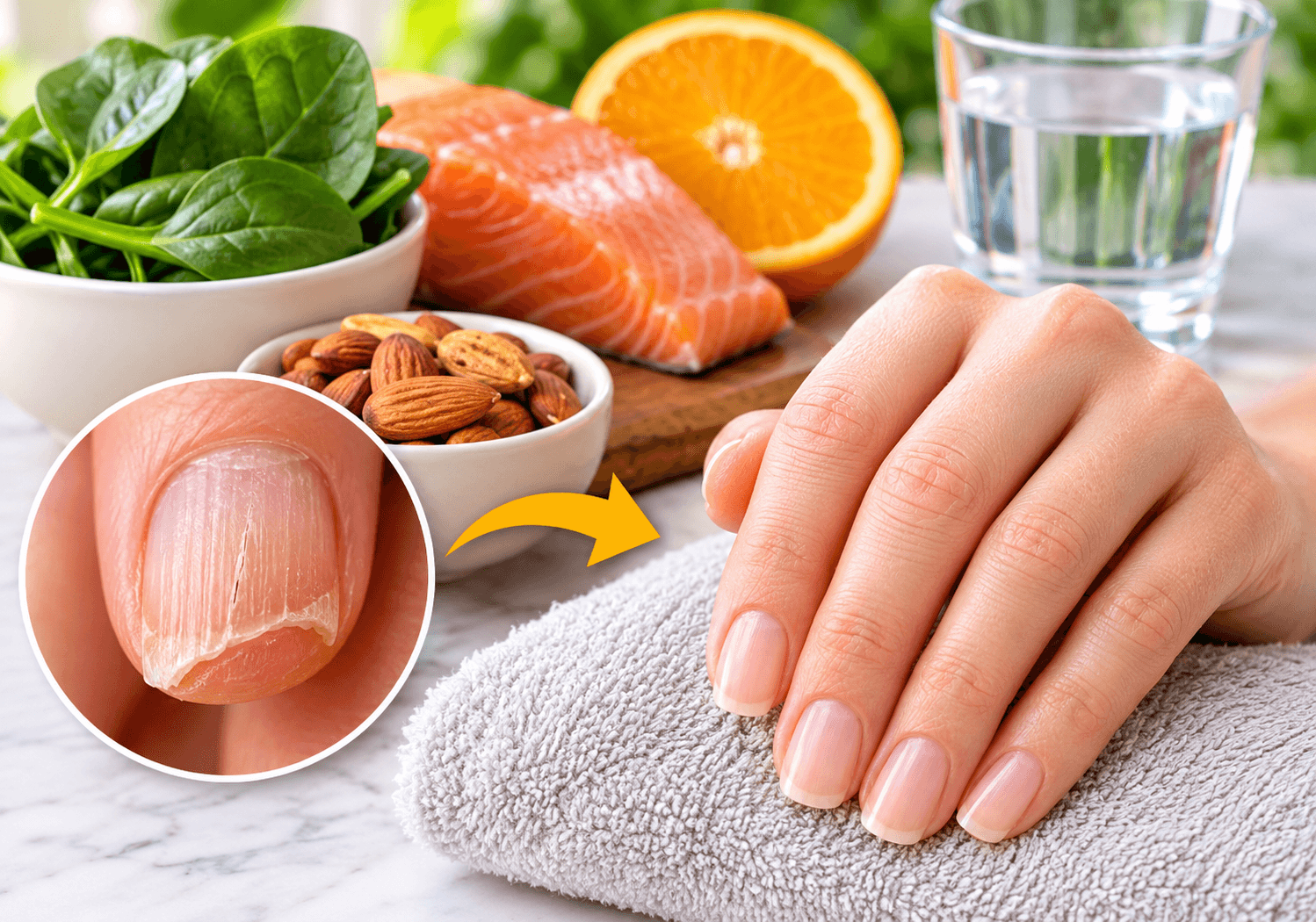
If you are wondering what vitamin deficiency causes brittle nails, you are not alone. Brittle, splitting, or peeling fingernails are a common complaint, especially among women over 40 and individuals adjusting their fitness or diet routines. Your nails are a visible window into your internal health. When your body lacks specific essential nutrients, your nails are often the first place to show signs of distress. Understanding the root cause is the first step toward rebuilding strong, resilient nails.
This guide breaks down the exact vitamins and minerals linked to nail brittleness. We will explore the science of nail health, identify the top nutritional gaps, and provide practical, evidence-based steps to help you restore your nail strength from the inside out.
Quick Answer
The most common vitamin deficiencies linked to brittle nails include biotin (vitamin B7), iron, zinc, vitamin B12, and vitamin C. These nutrients are essential for keratin production, oxygen delivery, and collagen synthesis. Addressing these gaps through a balanced diet or targeted supplements, under a doctor’s guidance, can help restore nail strength and prevent splitting.
The Science of Nail Health
To understand why deficiencies happen, it helps to know how nails grow. Your fingernails are made primarily of a tough, protective protein called keratin. They grow from the nail matrix, a hidden area of tissue just under the base of your nail.
The growth cycle of a fingernail is relatively slow. It takes about six months for a fingernail to fully replace itself, and up to 12 to 18 months for a toenail. Because of this slow turnover rate, any nutritional shortage you experience today might not show up on your nails for several weeks or months.
Conditions like onychorrhexis (longitudinal ridging and brittleness) or onychoschizia (splitting at the tips) occur when the keratin structure is compromised. According to the Mayo Clinic, brittle nails are frequently tied to aging, frequent exposure to water or chemicals, and underlying nutritional deficits. When your body does not have enough building blocks, it prioritizes vital organs over cosmetic features like hair and nails, leading to weakness and breakage.
What Vitamin Deficiency Causes Brittle Nails: The Top Culprits
When evaluating your nail health, several specific nutrients consistently appear in clinical research as primary factors. Here is a detailed look at what vitamin deficiency causes brittle nails and how each nutrient functions.
1. Biotin (Vitamin B7)
Biotin is perhaps the most famous nutrient for nail health. It is a water-soluble B-vitamin that plays a direct role in the infrastructure of keratin. Research published by the National Institutes of Health (NIH) indicates that biotin supplementation can increase nail plate thickness and reduce splitting in individuals with brittle nails.
A biotin deficiency is rare in healthy adults because it is found in many common foods and produced by gut bacteria. However, long-term use of certain antibiotics, excessive consumption of raw egg whites (which contain avidin, a protein that blocks biotin absorption), or specific genetic conditions can lead to a shortage. Signs of low biotin include thinning hair, a red scaly rash, and notably, fragile nails that peel easily.
2. Iron
Iron is critical for producing hemoglobin, the protein in red blood cells that carries oxygen to your body’s tissues, including the nail matrix. When you have an iron deficiency, your nails do not receive adequate oxygen, which disrupts healthy growth.
Severe iron deficiency anemia can cause a specific nail deformity called koilonychia, commonly known as “spoon nails,” where the nails become thin and concave. Even mild iron deficiency can cause nails to become dry, brittle, and prone to vertical ridges. The Cleveland Clinic notes that women of childbearing age are at a higher risk for iron deficiency due to monthly blood loss, making this a primary suspect when evaluating brittle nails.
3. Zinc
Zinc is a trace mineral that is absolutely vital for rapid cell division and protein synthesis. Because the nail matrix is one of the most rapidly dividing cell populations in the body, it requires a steady supply of zinc.
A zinc deficiency can manifest in the nails as Beau’s lines (deep horizontal grooves), white spots (leukonychia), or general brittleness and slow growth. Zinc also supports the immune system, helping to prevent fungal infections that can further weaken the nail plate. Ensuring adequate zinc intake is crucial for anyone recovering from illness or following a highly restrictive diet.
4. Vitamin B12
Vitamin B12 is essential for red blood cell formation and neurological function. A deficiency in B12 can lead to a specific type of anemia that reduces oxygen delivery to the extremities.
Beyond brittleness, vitamin B12 deficiency can cause distinct changes in nail appearance. The NIH Office of Dietary Supplements reports that low B12 levels may lead to bluish or dark pigmentation of the nails, longitudinal dark streaks, or a pale, waxy appearance. Vegans and vegetarians are at a higher risk for B12 deficiency, as this vitamin is naturally found almost exclusively in animal products.
5. Vitamin C
Vitamin C is a powerful antioxidant that is strictly required for collagen synthesis. Collagen provides the structural framework that supports the nail bed and keeps the surrounding cuticles healthy and intact.
While severe vitamin C deficiency (scurvy) is rare in developed countries, marginal deficiency can still occur, especially in individuals who eat very few fruits and vegetables. Low vitamin C levels can lead to dry, brittle nails, corkscrew-shaped nail growths, and inflamed, bleeding cuticles. Vitamin C also enhances the absorption of non-heme iron (the iron found in plant foods), making it a dual-action nutrient for nail health.
6. Vitamin D and Calcium
Vitamin D and calcium work synergistically to maintain bone health, but they also influence nail strength. The nail bed is attached to the underlying bone of the fingertip. If calcium levels are chronically low, the body may leach calcium from bones, which can indirectly affect the stability of the nail matrix.
Vitamin D is required for the body to absorb calcium effectively. A lack of vitamin D can lead to dry, brittle, and slow-growing nails. The Harvard T.H. Chan School of Public Health emphasizes that vitamin D deficiency is widespread, particularly in regions with limited sunlight exposure or among individuals who spend most of their time indoors.
Nutrient Breakdown for Nail Health
| Nutrient | Primary Role in Nail Health | Common Deficiency Signs | Top Food Sources |
| Biotin (B7) | Keratin production and nail plate thickness | Peeling, splitting, thinning nails | Eggs, almonds, sweet potatoes, salmon |
| Iron | Oxygen delivery to the nail matrix | Spoon nails, vertical ridges, pale nail beds | Red meat, spinach, lentils, fortified cereals |
| Zinc | Rapid cell division and protein synthesis | Beau’s lines, white spots, slow growth | Oysters, beef, pumpkin seeds, chickpeas |
| Vitamin B12 | Red blood cell formation and nerve health | Bluish tint, dark streaks, brittle texture | Clams, liver, trout, nutritional yeast |
| Vitamin C | Collagen synthesis and iron absorption | Dry nails, inflamed cuticles, easy bruising | Citrus fruits, bell peppers, strawberries, broccoli |
| Vitamin D | Calcium absorption and cell growth regulation | Dry, brittle, slow-growing nails | Fatty fish, fortified milk, sunlight exposure |

How to Apply It: Practical Steps for Stronger Nails
Knowing what vitamin deficiency causes brittle nails is only half the battle. The other half is taking practical, daily action to correct the imbalance and protect your nails from external damage. Here is a step-by-step approach to rebuilding nail strength.
Step 1: Optimize Your Dietary Protein Intake
Since nails are made of keratin, a protein, your overall protein intake directly impacts their strength. Aim for 0.8 to 1.0 grams of protein per pound (1.8 to 2.2 grams per kg) of body weight if you are active. Include high-quality protein sources like chicken, fish, eggs, Greek yogurt, or legumes in every meal. Understanding how protein intake affects metabolism can also help you balance your overall nutritional goals while supporting tissue repair.
Step 2: Target Specific Nutrient Gaps with Food First
Before reaching for supplements, try to fill your plate with nutrient-dense foods. A simple daily habit is adding a handful of pumpkin seeds (for zinc) and a serving of bell peppers (for vitamin C) to your lunch. If you follow a plant-based diet, pay special attention to your B12 and iron intake, and consider learning about which vitamins support metabolism when you’re deficient to ensure you are covering all your bases.
Step 3: Stay Hydrated
Dehydration does not just affect your muscles and skin; it dries out the nail plate, making it more susceptible to snapping. Aim to drink at least 80 to 100 ounces (2.4 to 3 liters) of water daily, adjusting for your activity level and climate.
Step 4: Protect Nails from External Stressors
Internal nutrition must be paired with external protection. Water and harsh chemicals strip the natural oils from your nails.
- Wear rubber gloves when washing dishes or cleaning.
- Limit soaking your hands in water for more than 15 minutes at a time.
- Use an acetone-free nail polish remover, as acetone is highly drying.

Step 5: Moisturize the Nail and Cuticle Daily
Apply a thick hand cream or dedicated cuticle oil containing jojoba oil or vitamin E immediately after washing your hands. Massage it into the nail plate and the surrounding cuticle for 30 seconds to improve local blood circulation.
Coach’s Tip: Keep a small bottle of cuticle oil next to your hand soap or at your desk. Applying it for just 20 seconds after every handwash builds a protective lipid barrier that prevents moisture loss throughout the day.
Common Mistake: Using your nails as tools. Prying open cans, peeling off stickers, or typing aggressively with the tips of your nails creates micro-traumas. Over time, these micro-traumas compound, leading to severe splitting and breakage, regardless of how many vitamins you take. Always use the pads of your fingers or a proper tool.
Safety Notes: When to See a Doctor
While nutritional deficiencies are a common cause of brittle nails, they are not the only cause. If you have corrected your diet and practiced good nail care for three to four months without seeing improvement, it is time to consult a healthcare provider.
Brittle nails can also be a symptom of:
- Thyroid disorders: Both hypothyroidism and hyperthyroidism can alter nail growth and texture.
- Psoriasis: Nail psoriasis can cause pitting, crumbling, and separation of the nail from the bed.
- Fungal infections: These often cause thickening, discoloration, and brittleness, usually starting in the toenails.
- Anemia: As mentioned, low iron or B12 requires medical diagnosis via a blood test.
A doctor can order a comprehensive metabolic panel, a complete blood count (CBC), and specific vitamin level tests to pinpoint the exact issue. Never attempt to self-diagnose or megadose on supplements, as excessive intake of certain minerals like zinc or iron can be toxic and cause adverse health effects.
Related Tips for Overall Health and Metabolism
Your nail health is deeply connected to your overall metabolic and systemic health. When your body is under stress or lacking foundational nutrients, cosmetic tissues like nails are the first to suffer.
For example, if you are actively managing your weight, ensuring you get the best vitamins for energy while dieting can prevent the nutritional gaps that lead to brittle nails. Caloric restriction sometimes leads to reduced intake of essential minerals like iron and zinc.
Furthermore, understanding what vitamins support metabolism when you have a deficiency is crucial. A sluggish metabolism can sometimes reflect poor nutrient absorption, which directly impacts how well your body can utilize the biotin and protein you consume for keratin synthesis.
If you are looking to optimize your overall health, learning how to support metabolism naturally for weight management will naturally encourage better dietary choices, which in turn feeds your nails the building blocks they need. Remember, which nutrients support normal energy metabolism are the same nutrients that support tissue repair, including your hair, skin, and nails. Finally, if you suspect a specific issue, understanding how vitamin B12 supports energy and cellular function can help you advocate for the right blood tests with your physician.
Frequently Asked Questions (FAQ)
1. What vitamin deficiency causes brittle nails most often?
Biotin (vitamin B7) and iron are the most frequent nutritional culprits behind brittle nails. Biotin is directly responsible for keratin production, while iron ensures oxygen reaches the nail matrix. A deficiency in either will quickly manifest as weak, splitting, or peeling nails.
2. Can low iron cause brittle nails?
Yes, absolutely. Low iron reduces the amount of oxygen delivered to your nail bed. This can cause nails to become thin, brittle, and develop vertical ridges. In severe cases of iron deficiency anemia, it can cause koilonychia, a condition where the nails become concave or “spoon-shaped.”
3. Does biotin really help with brittle nails?
Yes, clinical evidence suggests biotin can help. Studies show that daily biotin supplementation can increase nail plate thickness and reduce splitting in people with brittle nails. However, it is most effective when a true deficiency is present or when dietary intake is consistently low.
4. How long does it take for vitamins to fix brittle nails?
Because fingernails grow slowly, it takes about six months for a nail to fully replace itself. You typically need to maintain consistent nutrient intake for at least three to four months before you see visible, structural improvements in new nail growth emerging from the cuticle.
5. Can a zinc deficiency make your nails peel?
Yes. Zinc is essential for rapid cell division and protein synthesis. A lack of zinc can disrupt the formation of the nail plate, leading to brittleness, peeling, slow growth, and the appearance of horizontal grooves known as Beau’s lines or white spots.
6. Should I take a multivitamin for brittle nails?
A high-quality multivitamin can act as a safety net to prevent deficiencies, especially if your diet is restrictive. However, it is always best to identify the specific deficiency through a blood test first. Targeted supplementation under a doctor’s guidance is more effective than blindly taking high doses of multiple vitamins.
Conclusion
Understanding what vitamin deficiency causes brittle nails empowers you to take control of your health from the inside out. While biotin, iron, zinc, vitamin B12, vitamin C, and vitamin D are the primary nutritional suspects, true nail strength requires a holistic approach.
Focus on eating a balanced, protein-rich diet, staying hydrated, and protecting your hands from harsh chemicals. Give your body the time it needs to grow new, healthy keratin, and consult a healthcare professional if your symptoms persist. Strong nails are a reflection of a well-nourished body, and with the right adjustments, you can restore their health and resilience.