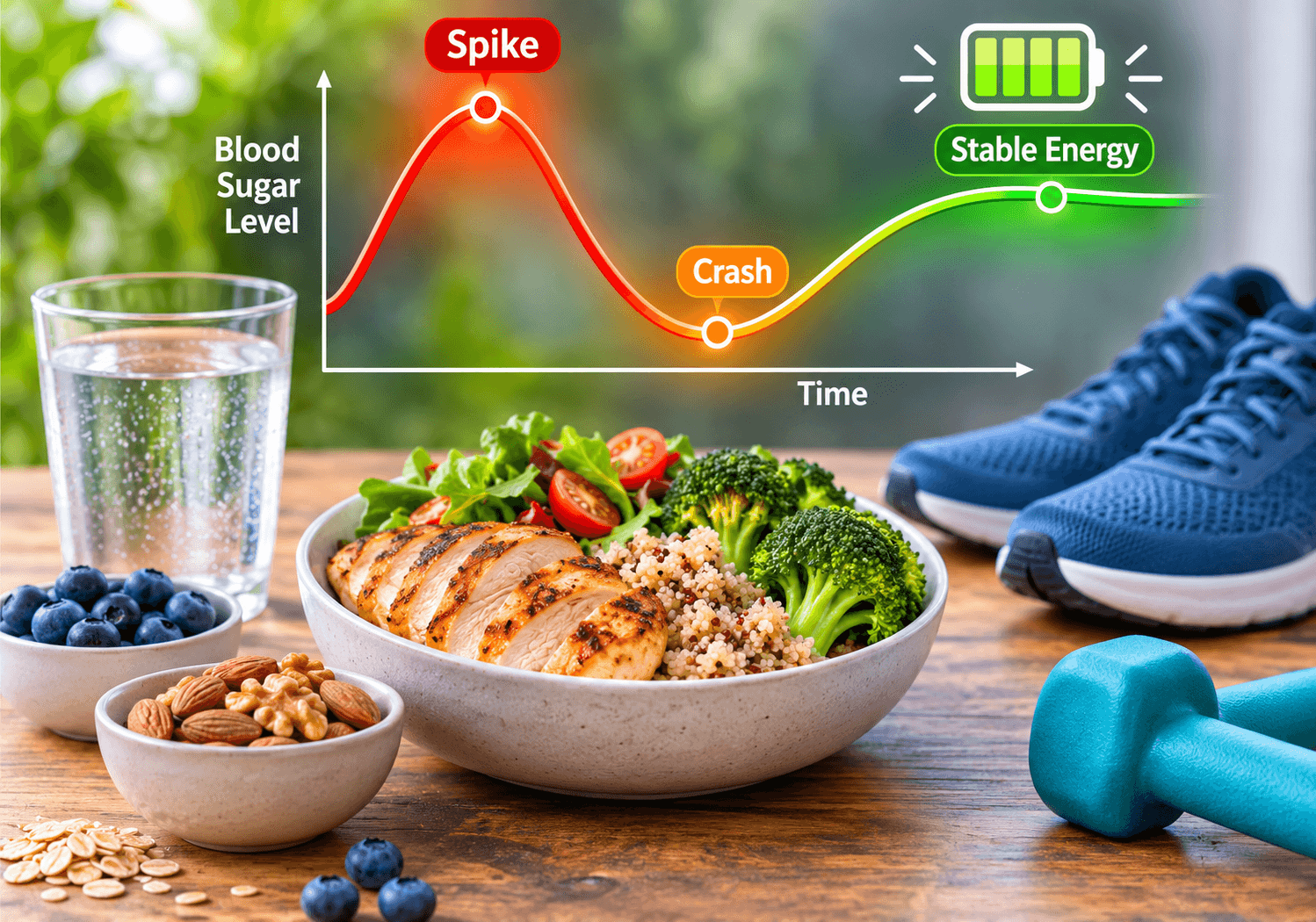
Have you ever finished a big meal or a sugary snack, only to feel completely drained an hour later? You are not alone. Many active adults and gym beginners experience this sudden, frustrating drop in energy. Understanding why do blood sugar fluctuations cause fatigue is the first step toward reclaiming your daily vitality and improving your workout performance. When your glucose levels spike and crash, your cells struggle to produce steady cellular energy. This guide breaks down the exact biological mechanisms behind these energy crashes and gives you actionable, evidence-based strategies to stabilize your levels. As a strength and conditioning coach, I see clients battle this afternoon slump constantly. By adjusting your nutrition timing, macronutrient balance, and training habits, you can maintain steady fuel for your body and brain.
Quick Answer
Blood sugar fluctuations cause fatigue because rapid glucose spikes trigger a massive insulin release, which quickly clears sugar from your bloodstream. This sudden drop (reactive hypoglycemia) starves your brain and muscles of immediate fuel, reducing ATP production. The result is brain fog, physical exhaustion, and intense cravings. Stabilizing your glucose with protein, fiber, and consistent movement prevents these crashes and sustains your energy.
The Science Behind Why Do Blood Sugar Fluctuations Cause Fatigue
To fix the problem, you must first understand the machinery. When you consume food, particularly carbohydrates, your digestive system breaks down complex starches and simple sugars into glucose. This glucose is absorbed through the intestinal wall and enters the bloodstream, causing your blood glucose levels to rise.
In a healthy metabolic state, this rise is detected by the beta cells in your pancreas. In response, the pancreas secretes insulin into the bloodstream. Insulin acts as a crucial signaling hormone. It binds to insulin receptors on the surface of your cells, particularly in skeletal muscle and adipose (fat) tissue. This binding triggers a cascade of intracellular events that allow glucose transporter proteins (GLUT4) to move to the cell membrane. Once there, they open the “doors,” permitting glucose to enter the cell. Inside the cell, the mitochondria convert this glucose into adenosine triphosphate (ATP), the fundamental energy currency of your body.
However, the modern diet is often rich in highly processed, refined carbohydrates and added sugars. These foods require minimal digestion, leading to a rapid and massive influx of glucose into the bloodstream. The pancreas interprets this rapid spike as an emergency and overcompensates by releasing a disproportionately large amount of insulin.
This excessive insulin clears the glucose from the bloodstream too aggressively. Within one to two hours after eating, your blood sugar levels plummet below your baseline fasting state. This phenomenon is known as reactive hypoglycemia.
When this crash occurs, your brain, which relies almost exclusively on a steady supply of glucose to function, is suddenly starved of fuel. This immediate energy deficit manifests as brain fog, difficulty concentrating, dizziness, and intense mental fatigue. Simultaneously, your body perceives this rapid drop in blood glucose as a severe physiological stressor. To counteract the hypoglycemia, your adrenal glands release counter-regulatory hormones, primarily cortisol and adrenaline (epinephrine).
These hormones signal the liver to break down stored glycogen into glucose (glycogenolysis) and to create new glucose from amino acids (gluconeogenesis) to raise blood sugar back to a safe level. While this is an effective short-term survival mechanism, the sudden surge of adrenaline causes physical symptoms like shakiness, a racing heart, and anxiety. Once this hormonal surge subsides, it leaves behind a profound sense of physical exhaustion and lethargy. This entire cascade is the primary biological reason why do blood sugar fluctuations cause fatigue.
Furthermore, if these spikes and crashes happen frequently, your cells can become desensitized to insulin, a condition known as insulin resistance. When cells are insulin resistant, they do not respond efficiently to the hormone’s signal. Consequently, glucose remains trapped in the bloodstream, leading to chronically elevated blood sugar (hyperglycemia), while the cells themselves are starved of energy. This paradoxical state of having high blood sugar but low cellular energy is a major driver of chronic, unexplained fatigue, as noted by the National Institutes of Health (NIH).

Blood Sugar States and Their Impact on Energy
| Time After Meal | Blood Glucose State | Hormonal Response | Physical Symptoms |
| 0-30 Minutes | Rapid Spike | Insulin surges to clear glucose | Brief energy burst, possible jitters or restlessness |
| 1-2 Hours | Sharp Drop (Reactive Hypoglycemia) | Cortisol and adrenaline release to raise glucose | Brain fog, intense fatigue, shakiness, irritability, cravings |
| 2-4 Hours | Stabilization (if corrected) | Glucagon normalizes glucose levels | Return of baseline energy, focus, and physical stability |
| Chronic State | Insulin Resistance | Cells ignore insulin signals; pancreas overworks | Persistent tiredness, weight gain, constant sugar cravings |
Addressing Why Do Blood Sugar Fluctuations Cause Fatigue: Practical Strategies
To stop asking why do blood sugar fluctuations cause fatigue and start fixing the problem, you need a two-pronged approach: strategic nutrition and targeted movement. You do not need to eliminate carbohydrates entirely; you just need to manage how your body processes them.
Nutrition Strategies for Stable Glucose
1. Prioritize Protein and Fiber at Every Meal
Protein and dietary fiber are your best defenses against glucose spikes. Protein stimulates the release of glucagon, a hormone that works in opposition to insulin, helping to maintain stable blood sugar levels. Fiber, particularly soluble fiber, forms a viscous gel in the digestive tract. This gel physically slows down the rate at which carbohydrates are broken down and absorbed.
For example, instead of eating a plain bagel (which will cause a rapid spike), pair a half of a whole-wheat bagel with 2 oz (56 g) of smoked salmon and a tablespoon of cream cheese. The protein and fat from the salmon, combined with the fiber in the whole wheat, will blunt the glucose response significantly. Understanding how protein intake affects metabolism is essential for designing meals that keep you full and energized for hours.
2. Choose Low Glycemic Index (GI) Carbohydrates
The Glycemic Index ranks carbohydrates on a scale from 0 to 100 based on how quickly they raise blood sugar levels. Foods with a high GI (70 or above), such as white bread, sugary cereals, and instant potatoes, cause rapid spikes. Foods with a low GI (55 or below), such as steel-cut oats, quinoa, lentils, and most non-starchy vegetables, digest slowly.
Make it a habit to swap refined grains for complex, fiber-rich alternatives. For instance, replace white rice with 1 cup (185 g) of cooked quinoa, which provides not only complex carbohydrates but also 8 grams of protein and 5 grams of fiber per serving.
3. Master Nutrient Timing Around Workouts
What you eat before and after you train dramatically impacts your energy levels and recovery. If you experience fatigue during morning workouts, you may be starting in a depleted state. A small pre-workout snack containing 15-20 grams of easily digestible carbohydrates and 10 grams of protein, consumed 30-45 minutes before training, can provide immediate fuel without causing a crash. Examples include a small banana with a half-scoop of whey protein.
Post-workout, your muscles are highly sensitive to insulin and are eager to replenish depleted glycogen stores. Consuming a balanced meal with a 2:1 or 3:1 ratio of carbohydrates to protein within two hours of your workout optimizes recovery. Learning which nutrients support normal energy metabolism will help you fine-tune this critical recovery window.

Training Strategies to Improve Glucose Uptake
Exercise is arguably the most potent, non-pharmacological intervention for improving blood sugar management. When you engage in physical activity, your contracting skeletal muscles require massive amounts of energy. To meet this demand, muscles can absorb glucose directly from the bloodstream through a process called non-insulin-mediated glucose uptake. This means your muscles can clear sugar from your blood even if your insulin response is impaired.
1. Post-Meal Walking
One of the simplest and most effective strategies is to take a brief walk after your largest meals. Research consistently shows that a brisk 10- to 15-minute walk (approximately 0.5 miles or 0.8 km) starting within 30 minutes of finishing a meal can reduce the post-prandial glucose spike by up to 30%.
2. Resistance Training
Skeletal muscle is the largest consumer of glucose in the human body, accounting for up to 80% of post-meal glucose disposal. Therefore, building and maintaining muscle mass is critical for long-term metabolic health. More muscle equals a larger “storage tank” for glycogen, which buffers against blood sugar fluctuations.
Aim for two to three full-body strength training sessions per week. Focus on compound, multi-joint movements that recruit large muscle groups.
- Regression (Beginner): Bodyweight squats to a chair. Sit back slowly, keeping your chest up and core braced, until your glutes lightly touch the chair, then drive through your heels to stand. Perform 2 sets of 10-12 repetitions, resting 60-90 seconds between sets.
- Progression (Advanced): Barbell back squats. Maintain a neutral spine, brace your core tightly, and descend until your hips are below your knees. Perform 3 to 4 sets of 6-8 repetitions at 75-80% of your 1-rep max, resting 2-3 minutes between sets to ensure full ATP recovery.
3. High-Intensity Interval Training (HIIT)
HIIT involves short bursts of maximal or near-maximal effort followed by brief recovery periods. This type of training has been shown to rapidly improve mitochondrial density and function, enhancing your body’s ability to oxidize fat and manage glucose. A sample protocol is 30 seconds of intense effort (e.g., assault bike or sprinting) followed by 90 seconds of slow pedaling or walking, repeated for 15-20 minutes. However, if you are currently experiencing severe adrenal fatigue or chronic exhaustion, start with low-intensity steady-state (LISS) cardio to avoid overtaxing your system. Discovering how to boost metabolic flexibility without crash dieting will help you transition safely into more demanding workouts.
Coach’s Tip:
Do not train fasted if you are already prone to blood sugar crashes. If you must train in the morning, consume a small, easily digestible carbohydrate source (like half a banana) with a pinch of salt 20 minutes before your workout to provide immediate, stable fuel without spiking your insulin.
Common Mistake:
Relying on “energy drinks” or sugary pre-workouts to fix afternoon fatigue. These products often contain 20-30 grams of added sugar, which will trigger the exact same insulin spike and subsequent crash you are trying to avoid, leaving you more exhausted than before.
Safety Notes and When to See a Doctor
While occasional post-meal sleepiness is normal, chronic fatigue accompanied by other symptoms requires medical attention. If you experience extreme thirst, frequent urination, unexplained weight loss, or persistent dizziness, consult a healthcare provider. These can be signs of prediabetes, diabetes, or other metabolic disorders.
Additionally, if you are currently taking medication for diabetes, such as insulin or sulfonylureas, always consult your doctor before making significant changes to your diet or exercise routine. Adjusting your activity levels can lower your blood sugar, potentially leading to dangerous hypoglycemia if your medication is not adjusted accordingly.
Related Lifestyle Factors That Impact Energy Metabolism
Blood sugar is only one piece of the puzzle. To fully optimize your energy, you must address other foundational lifestyle factors.
1. Hydration and Electrolytes
Water is essential for every metabolic process, including the transport of glucose and the production of ATP. Even mild dehydration, defined as a 2% loss of body weight in water, can significantly impair cognitive function, physical performance, and mood, often mimicking the symptoms of a blood sugar crash. Aim to drink at least half your body weight in pounds in ounces of water daily (e.g., a 160 lb / 72.5 kg individual should consume roughly 80 oz / 2.4 liters). If you sweat heavily during workouts, ensure you are also replenishing sodium and potassium to maintain cellular fluid balance.
2. Sleep Quality and Architecture
Sleep is not merely a period of rest; it is an active metabolic reset. Poor sleep quality or chronic sleep deprivation severely disrupts the endocrine system. A single night of restricted sleep (less than 5 hours) can induce a state of temporary insulin resistance, making your body less efficient at processing carbohydrates the following day. Furthermore, lack of sleep elevates ghrelin (the hunger hormone) and suppresses leptin (the satiety hormone), driving cravings for high-sugar, high-fat foods. Prioritizing 7 to 9 hours of quality, uninterrupted sleep is non-negotiable for energy management. Learn more about how sleep affects metabolism to optimize your nightly recovery protocols.
3. Stress Management and the HPA Axis
Chronic psychological stress keeps your hypothalamic-pituitary-adrenal (HPA) axis activated, resulting in chronically elevated cortisol levels. High cortisol promotes gluconeogenesis in the liver, which can lead to elevated fasting blood sugar levels and subsequent reactive crashes. Furthermore, stress often leads to emotional eating, creating a vicious cycle of sugar consumption and fatigue. Incorporate daily, deliberate stress-reduction techniques. This could be 10 minutes of box breathing, daily meditation, or gentle restorative yoga.
4. The Role of Dietary Fiber
Increasing your daily intake of viscous, soluble fiber is one of the most evidence-based methods for blunting glucose spikes. Soluble fiber absorbs water in the gut, forming a thick, gel-like substance that slows gastric emptying and carbohydrate absorption. Research clearly demonstrates that dietary fiber helps with appetite and weight management while simultaneously promoting stable energy levels throughout the day. Aim for at least 25-30 grams of total fiber daily from diverse sources like chia seeds, legumes, berries, and vegetables. Knowing that soluble fiber helps control appetite is a great starting point for upgrading your grocery list.

Frequently Asked Questions About Blood Sugar and Fatigue
1. Why do I feel tired after eating sugar?
When you eat sugar, your blood glucose spikes rapidly, prompting a large insulin release. This insulin clears the sugar from your blood too quickly, causing a sudden drop known as reactive hypoglycemia. This drop starves your brain of fuel, leading to immediate fatigue, brain fog, and intense cravings.
2. How long does a blood sugar crash last?
A typical reactive hypoglycemia episode lasts anywhere from 30 minutes to two hours, depending on what you eat to correct it. Consuming a balanced snack with protein and complex carbs can resolve the symptoms within 15 to 30 minutes.
3. Can exercise fix blood sugar fatigue?
Yes, regular exercise improves your cells’ sensitivity to insulin, allowing them to absorb glucose more efficiently without requiring massive insulin spikes. However, intense exercise during an active crash may worsen symptoms; opt for light walking instead.
4. What is the best snack for a blood sugar crash?
The best snack combines a fast-acting carbohydrate with protein and fat to stabilize levels quickly without causing a secondary spike. Examples include an apple with 1 tablespoon of peanut butter, or a small handful of mixed nuts with a few whole-grain crackers.
5. Does high blood sugar make you sleepy?
Yes, chronic hyperglycemia can cause fatigue. When blood sugar is consistently high, the blood becomes thicker, impairing circulation and oxygen delivery. Furthermore, if cells are insulin resistant, they cannot access the glucose for energy, leaving you feeling perpetually tired.
6. Why do I get shaky and tired between meals?
Shakiness and tiredness between meals are classic signs of hypoglycemia. As your blood glucose drops, your body releases adrenaline to stimulate the liver to release stored glucose. This adrenaline surge causes the physical sensations of shakiness, anxiety, and sudden exhaustion. If you struggle with this, learning to manage food cravings without supplements through balanced meals is highly effective.
Take Control of Your Energy Today
Understanding why do blood sugar fluctuations cause fatigue empowers you to make smarter daily choices. You do not need to eliminate carbohydrates or rely on expensive supplements to feel good. By prioritizing protein and fiber, choosing complex carbohydrates, and incorporating regular movement like post-meal walks and resistance training, you can smooth out your glucose curves.
Remember that building metabolic resilience takes time. Start with one or two changes, such as adding a protein source to your breakfast or taking a 10-minute walk after dinner. Your body will reward you with sustained, reliable energy for your workouts and your life. If you want to explore more about what affects metabolism and body weight, continue educating yourself to build a sustainable, healthy lifestyle.