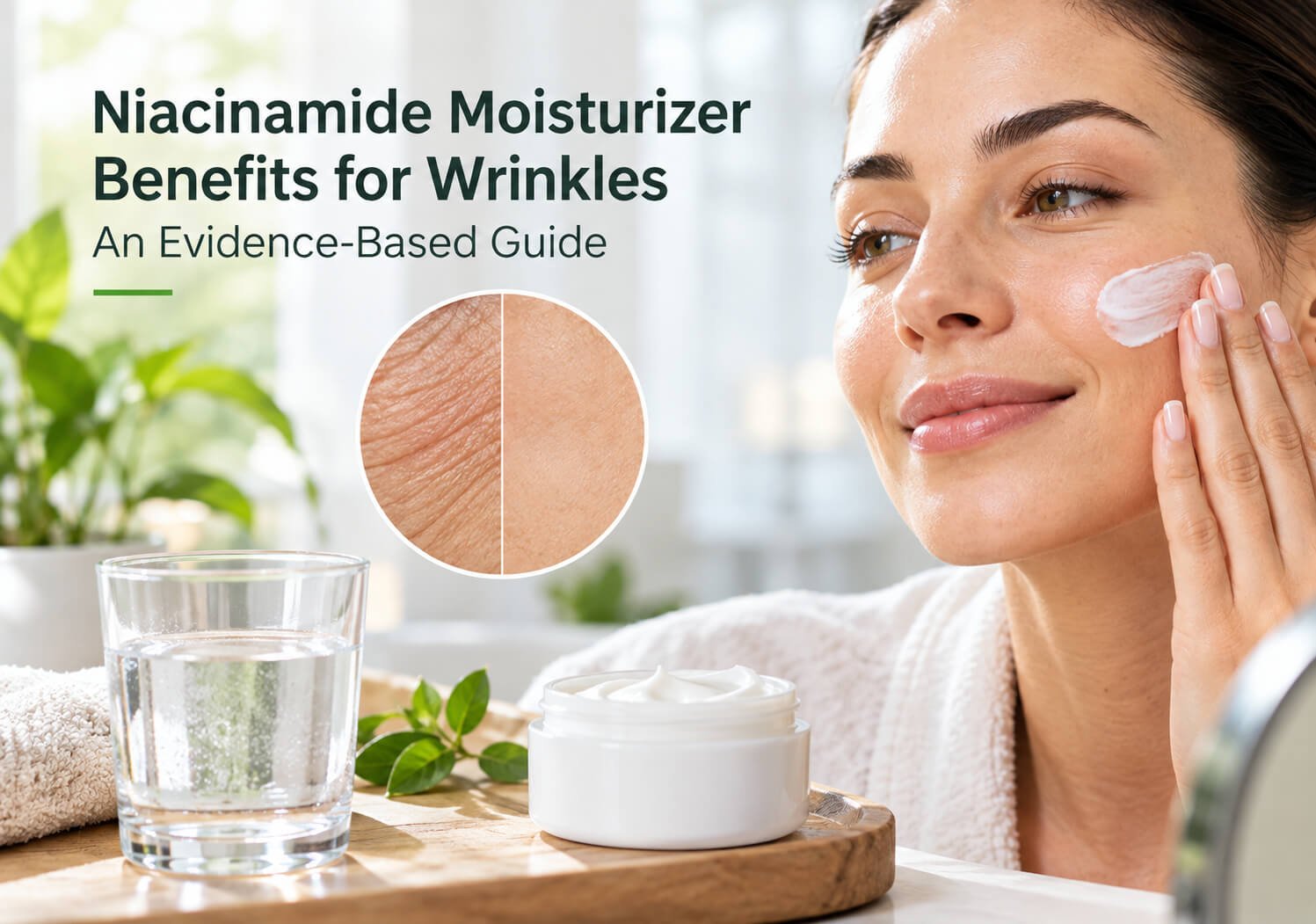
If you want to smooth fine lines and protect your skin as you age, understanding niacinamide moisturizer benefits for wrinkles is a smart, science-backed first step. As a wellness and conditioning coach, I look at skincare the same way I look at fitness. It requires consistency, the right foundational habits, and evidence-based tools. You do not need a complicated 10-step routine to see results. You just need to know how specific ingredients interact with your body. Niacinamide, also known as vitamin B3, is one of the most thoroughly researched topical ingredients in dermatology. It is gentle, effective, and works well for almost every skin type.
Quick Answer
Niacinamide moisturizer benefits for wrinkles include boosting collagen production, improving skin elasticity, and strengthening the skin barrier to retain moisture. Clinical studies show that a 4% to 5% niacinamide concentration applied twice daily can visibly reduce fine lines, hyperpigmentation, and rough skin texture within 8 to 12 weeks of consistent use.
Understanding Niacinamide Moisturizer Benefits for Wrinkles
To understand why this ingredient works, we have to look at what happens to your skin on a cellular level. Wrinkles form due to a combination of intrinsic aging (natural genetic aging) and extrinsic aging (sun exposure, pollution, and lifestyle factors). Over time, your skin produces less collagen and elastin, the proteins responsible for keeping skin firm and bouncy.
Niacinamide is a water-soluble form of vitamin B3. When applied topically, it acts as a precursor to two essential coenzymes: NAD+ (nicotinamide adenine dinucleotide) and NADP+ (nicotinamide adenine dinucleotide phosphate). These coenzymes are critical for cellular energy metabolism and DNA repair. According to research published in the British Journal of Dermatology, topical niacinamide increases the production of ceramides and other barrier lipids in the skin [1].
A stronger skin barrier means less transepidermal water loss (TEWL). When your skin holds onto moisture better, it appears plumper, which naturally softens the appearance of fine lines. Furthermore, a 2008 study demonstrated that a 5% niacinamide formulation significantly improved the appearance of fine lines, wrinkles, and skin yellowness compared to a placebo after 12 weeks [2].
Niacinamide Concentration Guide
| Concentration | Primary Benefit | Best For |
| 2% | Improves skin barrier, reduces redness | Sensitive skin, beginners, eczema-prone skin |
| 4% – 5% | Boosts collagen, reduces fine lines and hyperpigmentation | Mature skin, anti-aging goals, daily maintenance |
| 10%+ | Regulates sebum (oil) production, minimizes pores | Oily or acne-prone skin (may cause irritation in sensitive skin) |
How to Apply Niacinamide for Anti-Aging Results
Knowing the science is only half the battle. Proper application ensures your skin actually absorbs the active ingredients. Think of this like proper form in the gym: if your form is off, you will not get the results you want, and you might even cause irritation.
Step 1: Cleanse Your Face
Start with a gentle, pH-balanced cleanser. Wash your face with lukewarm water. Hot water can strip natural oils, worsening dryness and making wrinkles more prominent. Pat your skin dry with a clean towel. Do not rub.
Step 2: Apply a Toner or Serum (Optional)
If you use a hydrating toner or a hyaluronic acid serum, apply it now to damp skin. Hyaluronic acid pulls moisture into the skin, and niacinamide will help seal it in.
Step 3: Apply the Niacinamide Moisturizer
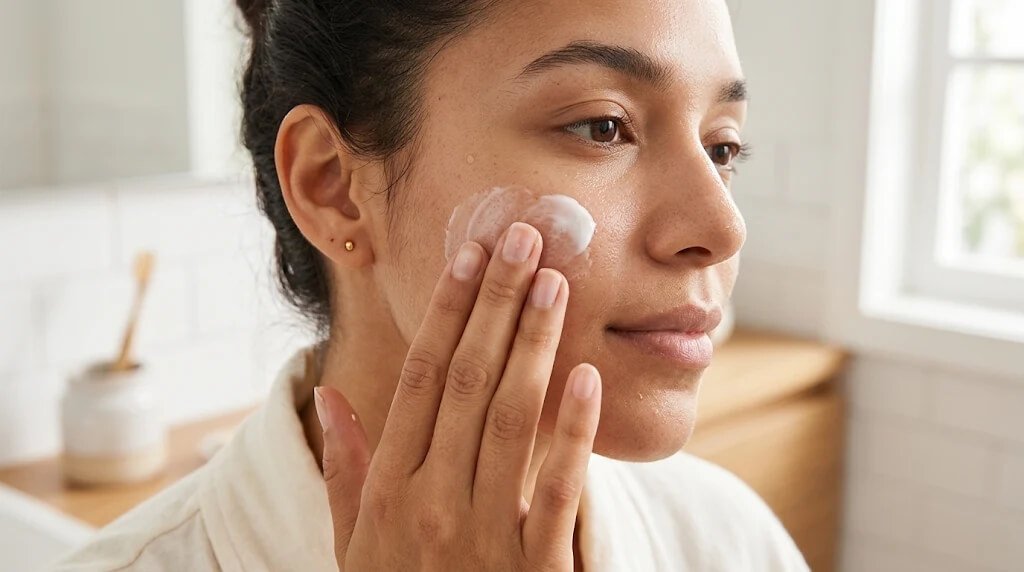
Dispense a pea-sized amount of moisturizer, which is roughly 0.04 oz (1 g). Dot the product onto your forehead, cheeks, nose, and chin. Gently massage it into your skin using upward, circular motions. Focus on areas within 2 inches (5 cm) of your eyes and mouth, as these are common sites for dynamic wrinkles.
Step 4: Follow with Sunscreen (Morning Only)
Niacinamide does not make your skin sensitive to the sun, but sun damage is the number one cause of wrinkles. Always finish your morning routine with a broad-spectrum SPF 30 or higher. Apply about 0.08 oz (2 g) of sunscreen to your face and neck.
Coach’s Tip
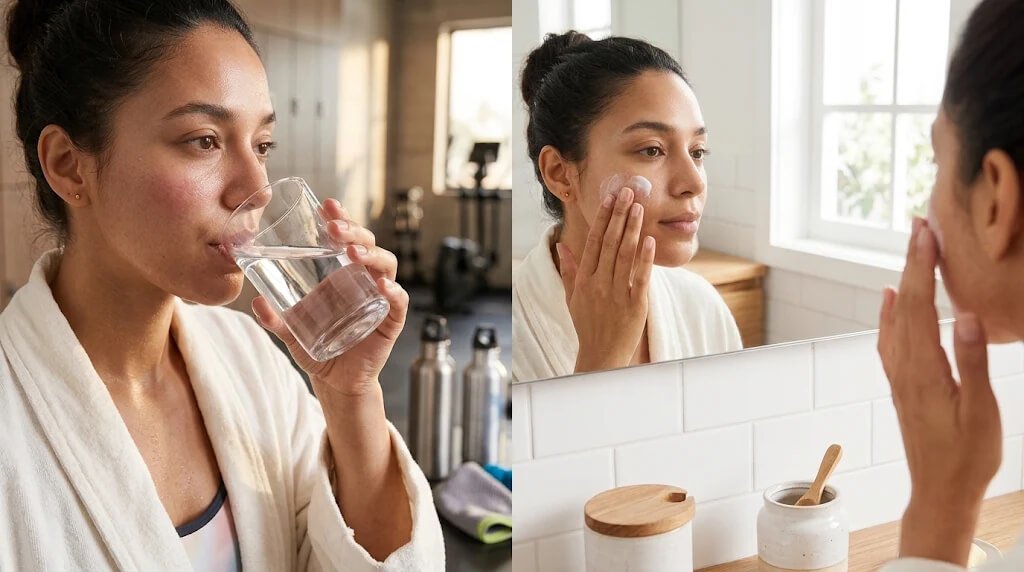
Pair it with hydration. Niacinamide works best when the skin is already hydrated. Applying your niacinamide moisturizer to slightly damp skin (within 60 seconds of washing or misting) can enhance absorption and maximize the plumping effect on fine lines.
Common Mistake
Using too high of a concentration. Many people assume that if 5% is good, 15% must be better. This is false. High concentrations of niacinamide (10% or higher) can cause redness, stinging, and breakouts, especially in mature or dry skin. Stick to the clinically proven 4% to 5% range for anti-aging benefits.
Safety Notes and Who Should Be Careful
Niacinamide is widely considered one of the safest topical ingredients available. It is non-comedogenic (will not clog pores) and is generally well-tolerated by all skin types, including sensitive and rosacea-prone skin. However, a few precautions are worth noting.
First, always perform a patch test before using a new product. Apply a small amount (about 0.02 oz or 0.5 g) to the inside of your wrist or behind your ear. Wait 24 hours. If you experience no redness, itching, or burning, it is safe to use on your face.
Second, while niacinamide plays well with most ingredients (including retinol, peptides, and hyaluronic acid), combining it with highly acidic products (like strong AHAs or BHAs) at the exact same time can sometimes cause temporary flushing or mild irritation in sensitive individuals. If you use an exfoliating acid, apply it at night and your niacinamide moisturizer in the morning, or vice versa.
Related Wellness Tips for Skin Health
Topical treatments are powerful, but they are only one piece of the puzzle. As a coach, I always remind clients that true anti-aging starts from the inside out. Your skin is your body’s largest organ, and its health is directly tied to your metabolic health, sleep quality, and stress levels.
1. Support Cellular Energy and Metabolism
Just as niacinamide boosts cellular energy (NAD+) in your skin, your body needs adequate nutrients to support normal energy metabolism systemically. A diet rich in whole foods, lean proteins, and healthy fats provides the building blocks for skin repair. Ensuring you get the right micronutrients can help your body maintain its natural repair processes as you age. Learn more about which nutrients support normal energy metabolism to keep your body functioning optimally from the inside out.
2. Prioritize Sleep for Cellular Repair
Your skin does most of its repairing while you sleep. During deep sleep, blood flow to the skin increases, and collagen production ramps up. Chronic sleep deprivation elevates cortisol, a stress hormone that breaks down collagen and accelerates wrinkle formation. Understanding how sleep affects metabolism and weight management also highlights the hormonal balance required for healthy, youthful skin. Aim for 7 to 9 hours of quality sleep per night.
3. Manage Stress and Cortisol Levels
Chronic stress is a silent ager. High cortisol levels not only disrupt your sleep but also degrade skin elasticity and trigger inflammation. If you find yourself turning to unhealthy habits when stressed, finding natural ways to cope is essential. Exploring adaptogens for stress eating and cortisol management can provide natural support for keeping your stress hormones in check, which directly benefits your skin’s long-term health.
4. Fuel Collagen Synthesis with Protein
Collagen is a protein. If your dietary protein intake is too low, your body cannot synthesize new collagen to replace what is lost daily. Adequate protein intake is crucial for maintaining muscle mass and supporting skin structure. Research consistently shows the importance of protein intake and metabolism for overall body composition and tissue repair. Aim for a high-quality protein source at every meal to support both your fitness goals and your skin’s elasticity.
5. Maintain Steady Energy Without Crash
Relying on high amounts of sugar or excessive caffeine to get through the day can lead to systemic inflammation and glycation. Glycation is a process where sugar molecules attach to collagen fibers, making them stiff and brittle, which leads to deeper wrinkles. Learning how to improve daily energy without caffeine through balanced meals, hydration, and movement will protect your skin from the inside while keeping your workout performance high.
6. Address Nutrient Deficiencies
Sometimes, dull, aging skin is a sign of an underlying vitamin deficiency. Vitamins like B-complex, C, D, and E play vital roles in skin protection and repair. If you are constantly fatigued and your skin looks lackluster, it may be time to evaluate your diet. Discover which vitamins support metabolism when you’re deficient to ensure your body has the raw materials it needs to fight oxidative stress and maintain a healthy complexion.
7. Build Sustainable, Healthy Habits
Skincare, like fitness, is a marathon, not a sprint. Crash diets or extreme lifestyle changes often lead to rebound effects, including nutrient depletion that shows up on your face. Sustainable habits, like learning to manage food cravings without supplements through whole foods and mindful eating, create a stable internal environment where your skin can thrive alongside your physical fitness.
Frequently Asked Questions (FAQ)
Does niacinamide really reduce wrinkles?
Yes. Clinical studies show that topical niacinamide (at 4% to 5% concentrations) stimulates collagen production and improves skin elasticity. Over 8 to 12 weeks of consistent twice-daily use, it can visibly soften fine lines and improve overall skin texture.
How long does it take for niacinamide to work on wrinkles?
You may notice improved hydration and a brighter complexion within 2 to 4 weeks. However, visible reductions in fine lines and wrinkles typically take 8 to 12 weeks of consistent, twice-daily application, as collagen remodeling is a slow biological process.
Can I use a niacinamide moisturizer every day?
Absolutely. Niacinamide is gentle and non-irritating for most people. It is designed for daily use. Applying it once in the morning (under sunscreen) and once at night will yield the best anti-aging results.
What percentage of niacinamide is best for wrinkles?
Research indicates that a concentration of 4% to 5% is the sweet spot for anti-aging benefits. This range is highly effective at boosting ceramides and reducing fine lines without causing the irritation sometimes associated with 10% or higher concentrations.
Is niacinamide better than retinol for wrinkles?
They work differently and can be complementary. Retinol is more potent for deep wrinkles and cellular turnover but can cause irritation and dryness. Niacinamide is gentler, strengthens the skin barrier, and reduces redness. Many dermatologists recommend using both (at different times of day) or choosing niacinamide if you have sensitive skin.
Can niacinamide reverse sun damage wrinkles?
Niacinamide cannot completely “reverse” deep, structural sun damage, but it can significantly improve its appearance. It helps fade hyperpigmentation (sun spots), reduces redness, and strengthens the skin barrier, making sun-damaged skin look healthier, plumper, and more even-toned.
Conclusion
When it comes to aging gracefully, you do not need to rely on harsh chemicals or expensive, invasive procedures. The niacinamide moisturizer benefits for wrinkles are well-documented, scientifically validated, and accessible. By choosing a moisturizer with a 4% to 5% niacinamide concentration, you are giving your skin the tools it needs to boost collagen, retain moisture, and repair its natural barrier.
Remember to apply it consistently, pair it with daily sunscreen, and support your skin from the inside out with good sleep, adequate protein, and stress management. Skincare is a long-term investment in your health. Start with a simple, evidence-based routine, and give your body the time it needs to show results.