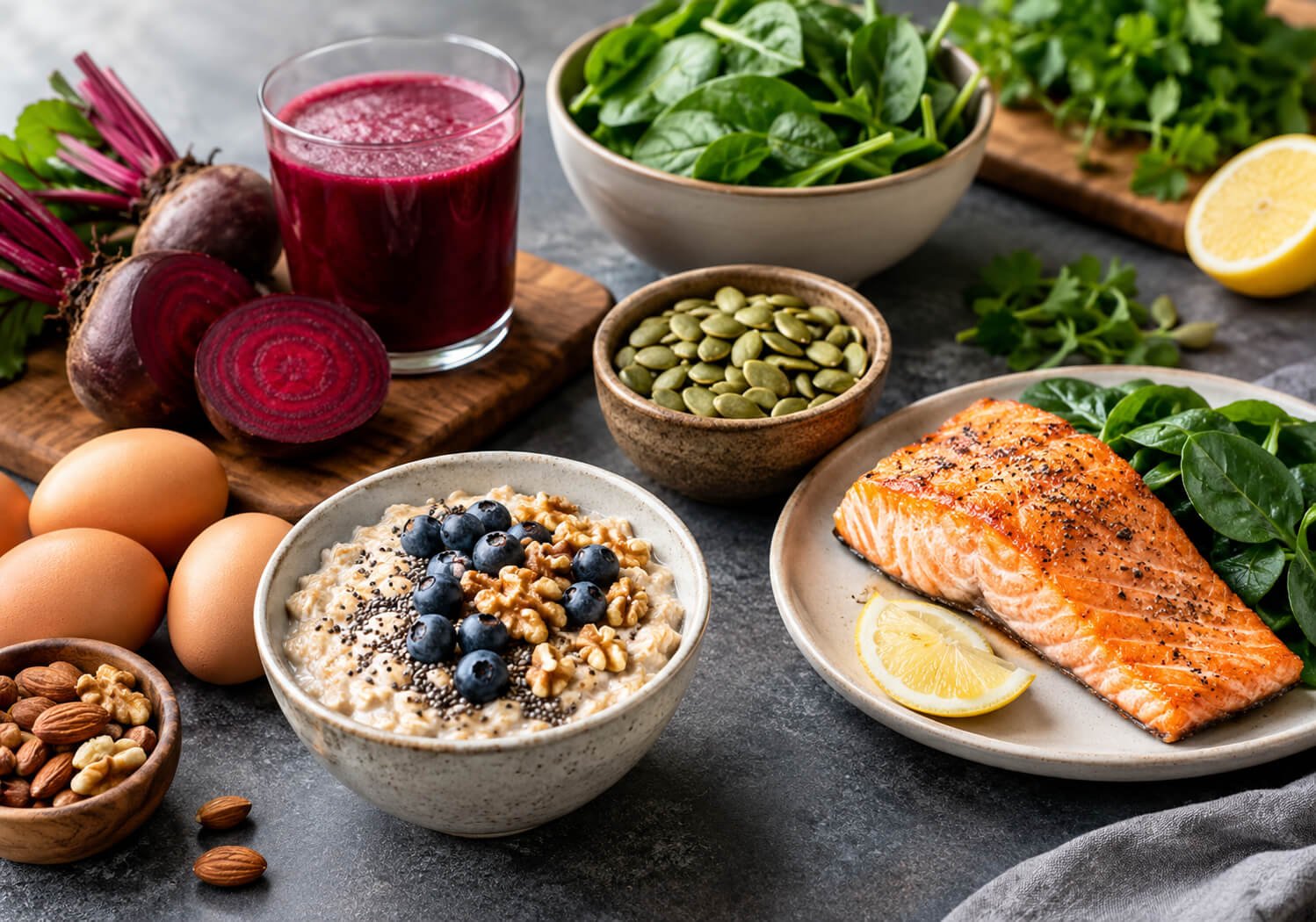
I have spent over a decade on the gym floor, and I can tell you one thing for sure: you cannot out-train a bad diet. Many men come to me asking for a more intense workout because they feel tired by mid-afternoon.
However, the problem usually isn’t their training program; it is their fuel. To maintain a high level of physical and mental output, you need a specific mix of macronutrients and micronutrients. Choosing the best foods for men’s stamina and energy is the most effective way to improve your performance in the gym and your focus at work.
In this guide, we will look at the science of “clean burning” fuel. We will cover which foods support your hormones, improve your blood flow, and keep your engine running without the dreaded “sugar crash.”
Quick Answer: What are the best foods for men’s stamina and energy?
To maximize stamina and energy, men should focus on nutrient-dense foods that support blood flow and hormone health. Top picks include oats for steady glucose, fatty fish for heart health, beets for nitric oxide, and pumpkin seeds for magnesium. Combining complex carbohydrates with lean proteins and healthy fats ensures long-lasting vitality.
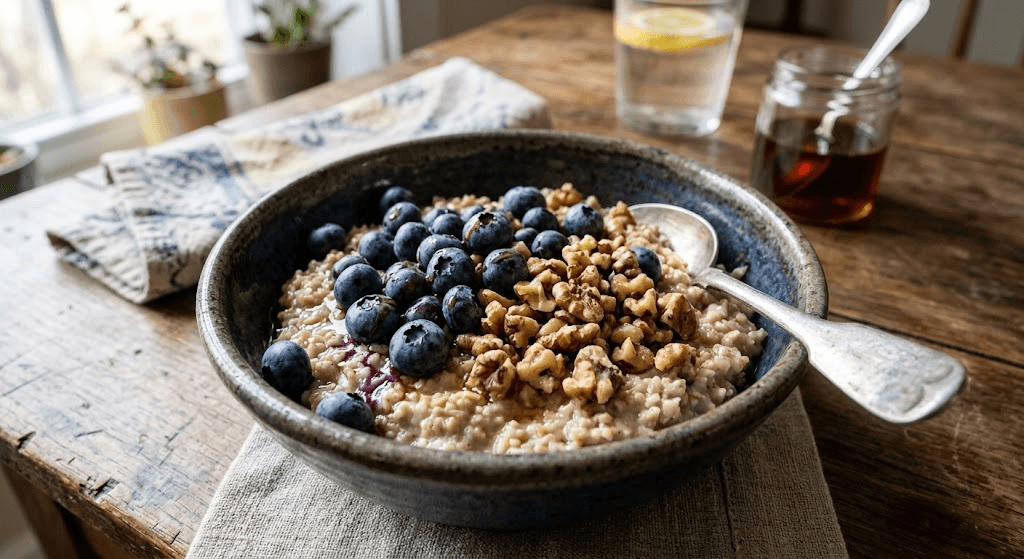
1. Steel-Cut Oats (Complex Carbohydrates)
Oats are a foundational food for any man looking to build endurance. Unlike sugary cereals that cause a quick spike and a hard crash, oats have a low glycemic index. This means they release glucose into your bloodstream slowly.
This slow release provides a steady stream of energy for your muscles and brain. Oats are also rich in beta-glucan, a type of fiber that can help lower cholesterol and improve heart health. As a coach, I suggest oats as a pre-workout meal about 90 minutes before a heavy lifting session.
Coach’s Tip: Don’t buy the “instant” flavored packets. They are usually loaded with sugar. Stick to steel-cut or rolled oats. Add a scoop of protein powder and some walnuts to make it a complete meal that supports protein intake for metabolism and muscle retention.
2. Fatty Fish (Omega-3 Fatty Acids)
Salmon, mackerel, and sardines are powerhouses for men’s vitality. They are loaded with omega-3 fatty acids, which are essential for reducing inflammation in the body. When your internal inflammation is low, your body recovers faster from hard training.
Omega-3s also support heart health by improving blood flow. Better blood flow means more oxygen is delivered to your muscles during a 5-mile (8 km) run or a heavy leg day. Furthermore, healthy fats are the building blocks for hormones, including testosterone.
Common Mistake: Many men avoid fatty fish because they fear the calories. Remember, these are “healthy fats” that actually help your body function better. Aim for at least two servings of 6 oz (170 g) per week.
3. Beets (Nitric Oxide Boosters)
If you want to improve your “pump” in the gym and your stamina on the field, eat more beets. Beets are high in natural nitrates. Your body converts these nitrates into nitric oxide.
Nitric oxide relaxes your blood vessels, which is called vasodilation. This allows more blood to move through your system with less effort from your heart. Research published in the Journal of Applied Physiology suggests that dietary nitrates can improve exercise tolerance and endurance.
How to Use: Drink 8 oz (236 ml) of beet juice about two hours before a workout. If you don’t like the earthy taste, try roasting them with a little olive oil and salt.4. Spinach and Leafy Greens (Micronutrient Density)
Popeye was onto something. Leafy greens like spinach, kale, and Swiss chard are packed with magnesium and iron. Iron is critical for stamina because it helps your red blood cells carry oxygen.
If you are low in iron, you will feel sluggish and weak. Magnesium is equally important as it plays a role in over 300 biochemical reactions in the body, including energy production. Understanding which nutrients support normal energy metabolism is key to avoiding chronic fatigue.

5. Eggs (The Gold Standard for Protein)
Eggs are one of the best foods for men’s stamina and energy because they are a “complete” protein. They contain all nine essential amino acids that your body cannot make on its own.
The yolk is particularly important for men. It contains vitamin D and cholesterol, both of which are precursors to testosterone production. Testosterone is the primary hormone responsible for male energy, muscle mass, and libido.
Coach’s Tip: Eat the whole egg. Throwing away the yolk means throwing away half the protein and almost all the vitamins. I recommend 2-4 eggs daily for active men, depending on their total caloric needs.
6. Pumpkin Seeds (Magnesium and Zinc)
Pumpkin seeds, or pepitas, are a “superfood” for male hormonal health. They are one of the best plant sources of zinc. Zinc is a mineral that is closely tied to testosterone levels; even a slight deficiency can cause energy levels to tank.
They are also rich in magnesium, which helps improve sleep quality. Better sleep leads to better recovery and more energy the next day. You can find more details on how sleep affects metabolism and energy in our dedicated guide.
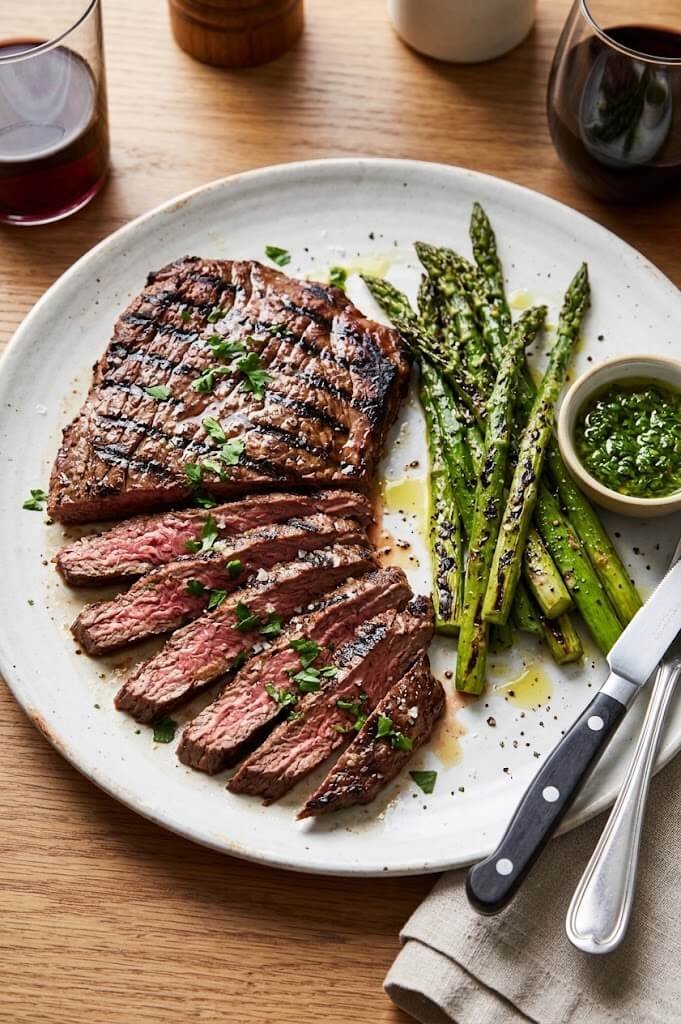
7. Grass-Fed Beef (B-Vitamins and Creatine)
While many people focus on plant-based diets, lean red meat remains a top tier food for male stamina. Grass-fed beef is rich in Vitamin B12, which is essential for converting food into usable energy.
It also contains natural creatine. Creatine helps your muscles produce energy during heavy lifting or high-intensity interval training (HIIT). Aim for a 6 oz to 8 oz (170-227 g) portion of lean cuts like sirloin or flank steak once or twice a week.
8. Quinoa (The Ancient Grain)
Quinoa is a unique carbohydrate because it also contains a significant amount of protein and fiber. This combination prevents the “afternoon slump” that men often get after eating a heavy pasta lunch.
Because it contains fiber, it helps with digestion and keeps you feeling full longer. This is helpful if you are trying to increase metabolism naturally for weight loss while maintaining high energy.
9. Blueberries and Tart Cherries (Antioxidants)
High-intensity exercise creates oxidative stress in the body. If this stress isn’t managed, it can lead to fatigue and muscle soreness. Berries are packed with antioxidants called anthocyanins.
These compounds help “mop up” free radicals and reduce muscle damage. I often tell my clients to add a handful of blueberries to their post-workout shake to speed up the recovery process.
10. Avocados (Monounsaturated Fats)
Avocados provide sustained energy because they are rich in healthy fats. While carbs are great for quick bursts, fats are the preferred fuel for long-duration, low-intensity activities like a long hike or a day of manual labor.
Avocados also contain more potassium than bananas. Potassium is an electrolyte that helps prevent muscle cramps and maintains healthy blood pressure.
How to Use: Add half an avocado (about 3 oz / 85 g) to your morning eggs for a breakfast that will keep you fueled until lunch.
11. Bananas (Quick-Acting Fuel)
Bananas are the ultimate “on-the-go” energy food. They provide a mix of fast-acting sugars (glucose and fructose) and fiber. This makes them perfect for a mid-workout snack if you are training for more than 90 minutes.
The potassium in bananas also helps with nerve function and muscle contraction. If you’ve ever felt a “twitch” in your calf during a run, you might be low on potassium or magnesium.
12. Watermelon (L-Citrulline)
Watermelon is more than just a refreshing summer fruit. It contains an amino acid called L-citrulline. Like the nitrates in beets, L-citrulline helps increase nitric oxide production.
Some studies suggest that watermelon juice can reduce muscle soreness the day after a hard workout. It is also 92% water, which helps with hydration—a key component of physical stamina.
13. Greek Yogurt (Probiotics and Calcium)
A healthy gut is essential for energy. If your digestion is sluggish, you will feel sluggish. Greek yogurt contains probiotics, which are healthy bacteria that support your gut microbiome.
It also has double the protein of regular yogurt. This helps keep your muscles in an “anabolic” or muscle-building state. Pair it with some berries for a perfect snack that provides nutrients to support energy metabolism.
14. Coffee or Green Tea (Caffeine in Moderation)
Caffeine is a proven ergogenic aid, meaning it improves physical performance. It reduces your “perception of effort,” making a hard 200 lb (91 kg) squat feel a little lighter.
However, you must be careful. Relying on caffeine too much can lead to crashes. I recommend sticking to 1-2 cups in the morning or 30 minutes before a workout. Green tea is a great alternative because it contains L-theanine, which provides a “calm” energy without the jitters. Be wary of why caffeine pills cause energy crashes if you use them improperly.
15. Almonds and Walnuts (Brain and Body Fuel)
Nuts are the perfect portable snack for men’s stamina. Walnuts are particularly high in alpha-linolenic acid (an omega-3), which supports brain health and focus. Almonds are rich in Vitamin E, an antioxidant that protects your cells from oxidative damage.
Keep a small 1 oz (28 g) serving in your car or gym bag for those times when you are stuck in traffic and need a quick energy bridge between meals.
How to Structure Your Meals for Maximum Stamina
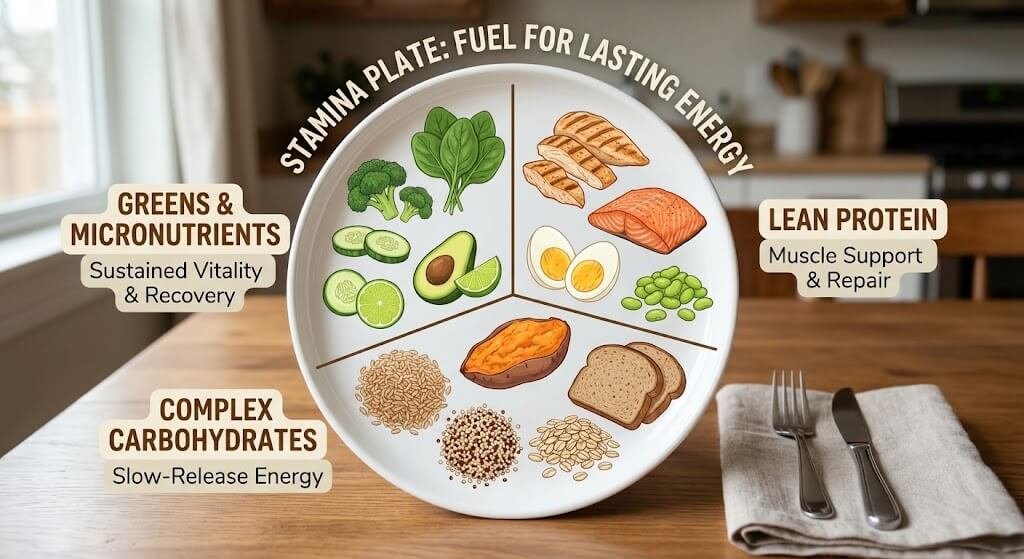
Eating the right foods is half the battle. The other half is timing. To keep your energy high all day, you should aim for a “balanced plate” at every meal.
| Meal Component | Coach’s Recommendation | Why It Works |
| Protein | 1.2g to 2.0g per kg of body weight | Maintains muscle and keeps you full. |
| Carbohydrates | Focus on whole grains and tubers | Provides the glucose needed for high-intensity work. |
| Fats | 20-30% of total calories | Supports hormone production and long-term energy. |
| Vegetables | At least 2 cups per meal | Provides the micronutrients for energy conversion. |
Sample “Stamina Day” Meal Plan
- Breakfast: 3 eggs scrambled with spinach, served over a bowl of steel-cut oats.
- Lunch: 6 oz (170 g) grilled chicken breast with a large sweet potato and broccoli.
- Pre-Workout Snack: A banana and a small handful of almonds.
- Dinner: 7 oz (200 g) grilled salmon with 1 cup of quinoa and roasted beets.
The Role of Hydration in Stamina
You can eat all the best foods for men’s stamina and energy, but if you are dehydrated, you will still feel weak. Water is required for every single chemical reaction in your body, including the breakdown of fat for fuel.
A loss of just 2% of your body weight in fluids can lead to a significant drop in athletic performance. For a 180 lb (82 kg) man, that is only 3.6 lb (1.6 kg) of water weight.
Coach’s Tip: Drink 16 oz (473 ml) of water as soon as you wake up. Carry a 32 oz (946 ml) bottle with you and aim to finish at least two or three of them throughout the day. If you are sweating heavily, add a pinch of sea salt or an electrolyte powder to replace lost sodium.
Training for Stamina: A Sample Routine
To make use of all this high-quality fuel, you need a training plan that builds endurance. This routine focuses on “work capacity”—your ability to do more work in less time.
Frequency: 3-4 days per week.
Rest: 60 seconds between sets.
- Goblet Squats: 3 sets of 12-15 reps. Use a 35 lb (16 kg) to 50 lb (23 kg) dumbbell.
- Push-Ups: 3 sets of as many reps as possible (AMRAP).
- Kettlebell Swings: 4 sets of 20 reps. This builds explosive power and heart health.
- Plank: 3 sets, holding for 45-60 seconds.
- Farmer’s Walk: 3 sets of 40 yards (37 meters) carrying heavy weights.
Progression: Every week, try to add 5 lb (2 kg) to your lifts or reduce your rest time by 5 seconds. This forces your body to adapt and improve its energy efficiency.
Who Should Be Careful?
While these foods are generally healthy, everyone’s body is different.
- Men with Kidney Issues: High protein diets can put extra strain on the kidneys. Consult a doctor before significantly increasing protein intake.
- Men on Blood Thinners: Foods high in Vitamin K (like spinach) can interfere with medications like Warfarin.
- Diabetics: While oats and quinoa are healthy, you still need to monitor your total carbohydrate intake to manage blood sugar.
If you have a pre-existing medical condition, always check with a healthcare professional or a registered dietitian before making major changes to your diet.
Common Mistakes to Avoid
In my coaching experience, I see men make the same three mistakes when trying to improve their stamina:
- The “Sugar Trap”: Relying on energy drinks or candy for a quick boost. This leads to a massive insulin spike, followed by a crash that leaves you more tired than before.
- Too Few Calories: If you are highly active, you cannot eat like a sedentary person. If you don’t eat enough, your body will start breaking down muscle for fuel, which destroys your stamina.
- Ignoring Fiber: Many men focus only on protein. Without fiber from veggies and grains, your digestion will suffer, and you will feel “heavy” and sluggish during your workouts.
FAQ: Best Foods for Men’s Stamina and Energy
What foods give men energy all day?
Foods with a low glycemic index provide the most stable energy. Focus on steel-cut oats, quinoa, sweet potatoes, and lentils. These provide a slow release of glucose, which prevents the spikes and crashes associated with sugary snacks or white bread.
How can I increase my stamina quickly?
While long-term stamina comes from training, you can get a “quick” boost by improving blood flow. Consuming nitrate-rich foods like beets or arugula two hours before activity can improve oxygen delivery to your muscles. Proper hydration and protein for hunger control also play immediate roles.
Which foods help naturally support testosterone?
Testosterone is built from cholesterol and healthy fats. Eggs, avocados, fatty fish, and pumpkin seeds (which are high in zinc) are excellent for supporting healthy hormone levels. Avoiding excessive alcohol and processed sugars also helps maintain hormonal balance.
Are there specific fruits for men’s energy?
Yes. Bananas provide quick carbs and potassium for muscle function. Blueberries provide antioxidants for recovery. Watermelon contains L-citrulline, which helps with blood flow. Apples are also great due to their fiber content, which slows the digestion of their natural sugars.
Does coffee help with stamina?
Yes, caffeine is one of the most studied performance enhancers. It can increase focus and power output. However, it should be used strategically. Too much caffeine can lead to anxiety and poor sleep, which will eventually ruin your stamina.
Is red meat bad for energy?
Lean red meat is actually very beneficial for energy when eaten in moderation. It is a top source of heme iron (which is easily absorbed) and B-vitamins. These are critical for preventing anemia and ensuring your cells can produce energy efficiently.
Conclusion
Improving your performance isn’t just about what you do in the gym; it’s about what you put on your plate. By focusing on the best foods for men’s stamina and energy, you provide your body with the raw materials it needs to build muscle, produce hormones, and maintain focus.
Start by making small changes. Replace your morning cereal with oats and eggs. Swap your afternoon soda for beet juice or green tea. Over time, these small choices add up to a significant increase in your total work capacity.
Remember that nutrition is a marathon, not a sprint. Consistency is the key to seeing long-term changes in your vitality and endurance.