
If you seem to eat large meals without gaining a single pound, or if you constantly feel warmer than everyone else in the room, you might be noticing the signs of high metabolism. Your metabolism is the total sum of chemical processes your body uses to convert food into cellular energy. When your metabolic engine runs at a higher baseline speed, your body expends calories at an accelerated rate, even while you are resting or sleeping.
Understanding how your body uses energy can help you structure your daily calorie intake, optimize your strength workouts, and meet your health goals. In this comprehensive guide, we will break down the physical signs of high metabolism, explain the science behind energy expenditure, and share practical daily strategies to optimize your metabolic rate safely.
Quick Answer
The most common signs of high metabolism include frequent hunger, higher baseline body temperature, difficulty gaining weight, high baseline energy, faster resting heart rate, and frequent bowel movements. These indicators reflect an elevated basal metabolic rate (BMR), where your body rapidly converts food and stored substrate into usable energy even during complete rest.
What Is Metabolism and How Does It Work?
Your metabolism represents the entire network of biochemical reactions that sustain life. Everyday actions like breathing, pumping blood, repairing muscle tissue, and maintaining cellular balance require a continuous supply of energy measured in calories.
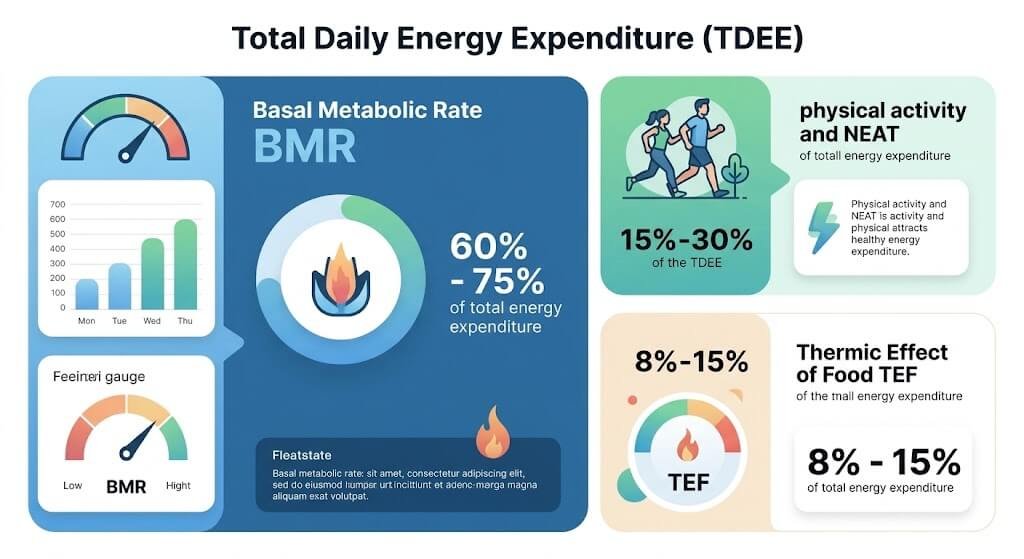
Your Total Daily Energy Expenditure (TDEE) is divided into three primary components:
- Basal Metabolic Rate (BMR): BMR accounts for roughly 60% to 75% of your daily calorie burn. It represents the energy required to keep vital organs functioning while at complete rest. According to the HHS Physical Activity Guidelines, baseline metabolic demands vary considerably based on age, biological sex, body composition, and genetics.
- Thermic Effect of Food (TEF): TEF represents the energy expended to digest, absorb, and process macronutrients. Protein requires the highest energy investment, burning 20% to 30% of its consumed calories during digestion, compared to 5% to 10% for carbohydrates and 0% to 3% for dietary fats. To learn more about this process, read our detailed guide on what affects metabolism and body weight.
- Physical Activity & NEAT: This includes formal workouts alongside Non-Exercise Activity Thermogenesis (NEAT)—the physical energy spent walking, standing, fidgeting, and doing household chores.
Total Daily Energy Expenditure (TDEE) breakdown:
├── Basal Metabolic Rate (BMR): 60% – 75%
├── Thermic Effect of Food (TEF): 8% – 15%
└── Physical Activity & NEAT: 15% – 30%
When someone exhibits a naturally fast metabolic rate, their baseline BMR or daily NEAT is significantly higher than average. To better understand how your body transforms food into usable thermal energy, check out our article explaining what is thermogenesis and how it affects metabolism.
10 Key Signs of High Metabolism
Knowing the physical symptoms of fast metabolism helps you adjust your daily nutrition and training program effectively. Here are 10 clear indicators that your metabolic rate is operating above baseline.
1. Frequent Hunger and High Appetite
A primary indicator of a high resting metabolic rate is an elevated appetite. When your cells burn through glucose and fatty acids rapidly, your brain triggers biological hunger cues to replenish lost fuel. People with a elevated metabolic rate often find themselves needing smaller, balanced meals or frequent snacks throughout the day to sustain energy levels.
2. Difficulty Gaining Body Weight
If you consistently eat surplus calories but struggle to build muscle tissue or store fat, your BMR is likely elevated. This high energy consumption burns off excess intake before it can be stored in adipose tissue.
3. Slightly Higher Baseline Body Temperature
Metabolic activity creates heat as a byproduct, a physiological process known as thermogenesis. According to physiological research published in the Journal of Applied Physiology, individuals with higher resting metabolic rates often exhibit slightly higher skin temperatures and sweat easily during minor physical tasks.
4. Frequent Bowel Movements
A faster metabolic rate often correlates with rapid gastrointestinal motility. Because your body processes nutrients and excretes waste rapidly, having two to three normal bowel movements per day is common for individuals with higher metabolic turnover.
5. High Baseline Energy Levels and Restlessness
If you feel naturally energized throughout the day without heavy caffeine reliance, your cellular mitochondria are efficiently producing adenosine triphosphate (ATP). This steady internal energy often shows up as spontaneous physical activity, such as pacing, tapping your feet, or shifting positions while sitting.
6. Slightly Elevated Resting Heart Rate
While a lower resting heart rate is typical for well-conditioned endurance athletes, individuals with higher baseline thyroid activity and elevated BMRs often display a slightly higher normal resting heart rate (e.g., 70–80 beats per minute instead of 60 bpm). Thyroid hormones (T3 and T4) increase tissue sensitivity to catecholamines, subtly speeding up heart rate and energy expenditure.
7. Rapid Recovery Between Workouts
A fast metabolic rate means high cellular turnover, allowing efficient nutrient delivery to damaged muscle fibers. This rapid transport of amino acids, glycogen, and oxygen often reduces post-workout muscle soreness and speeds up recovery times.
8. Low Body Fat Percentage Relative to Calorie Intake
Individuals with high metabolic rate indicators typically maintain a lower body fat percentage without resorting to strict calorie restrictions. Their bodies prioritize burning calories for energy rather than storing them in fat tissue.
9. High Resistance to Feeling Cold
Do you find yourself wearing t-shirts when others are putting on jackets? Because internal thermogenesis creates heat during nutrient oxidation, people with faster metabolisms naturally tolerate cooler environments better than those with slower baseline metabolisms.
10. Mid-Day Energy Dips If Meals Are Delayed
Because your body burns through muscle and liver glycogen rapidly, skipping or delaying a meal can cause sudden energy drops, mild irritability, or shakiness. This occurs because your fast metabolism consumes available blood glucose rapidly, demanding timely refueling.
Scientific Comparison: High vs. Average vs. Slow Metabolism
To clarify how these metabolic states differ, review the direct physiological comparison below:
| Feature / Sign | High Metabolism | Average Metabolism | Slow Metabolism |
| Daily Appetite | High; frequent hunger cues | Moderate; regular meal timing | Low to normal; easily satiated |
| Weight Trajectory | Hard to gain weight/muscle | Maintains weight with balance | Easily gains fat; hard to lose |
| Cold Sensitivity | High cold tolerance; runs warm | Normal temperature response | Feels cold easily in fingers/toes |
| Bowel Motility | 2–3 regular movements daily | 1–2 regular movements daily | Irregular or tendency toward constipation |
| Spontaneous Movement (NEAT) | High; fidgeting, restless | Moderate movement | Lower drive for incidental movement |
| Digestive Efficiency | Fast turnover of nutrients | Standard nutrient processing | Slower gastric emptying rate |

What Factors Directly Cause a High Metabolism?
A fast metabolism is rarely driven by a single factor. Instead, it results from a combination of biological traits and lifestyle habits.
Genetics & Hormones Body Composition Lifestyle Factors
Genetics and Thyroid Function
Genetics play a foundational role in determining your baseline BMR. Your thyroid gland secretes triiodothyronine (T3) and thyroxine (T4), hormones that directly regulate cellular respiration and oxygen consumption across all bodily tissues. Higher circulating levels of active thyroid hormones increase your metabolic rate.
Clinical Safety Note: An abnormally high metabolism can sometimes indicate hyperthyroidism, a condition where the thyroid gland produces excessive thyroid hormone. If your fast metabolism is accompanied by rapid unexplained weight loss, anxiety, hand tremors, insomnia, or a racing heart, consult a medical doctor immediately.
Muscle Mass and Body Composition
Skeletal muscle tissue is metabolically active. According to a landmark study on human body composition in American Journal of Clinical Nutrition, resting muscle tissue burns approximately 6 calories per pound (13 cal/kg) per day, whereas fat tissue burns only 2 calories per pound (4.5 cal/kg). Increasing your lean body mass through strength training elevates your baseline BMR 24 hours a day.

Age and Biological Sex
Younger individuals generally have faster metabolisms due to elevated human growth hormone (HGH) levels, active cellular repair, and higher relative muscle mass. On average, men possess higher total muscle mass and bone density than women, giving them a naturally higher baseline BMR. However, women can build a strong metabolic foundation by building lean muscle through progressive resistance training. If you are over 40 and experiencing metabolic slowdown, read our step-by-step coach’s guide on how to increase metabolism naturally after 40.
Diet Composition and Protein Intake
Eating adequate dietary protein significantly increases the thermic effect of food (TEF). Protein requires more chemical energy to break down into amino acids than carbohydrates or fats. Digesting protein fires up your internal metabolic engine while helping preserve muscle tissue during fat-loss phases. To learn more about protein’s impact on calorie burning, check out our research review on protein intake, metabolism, and weight loss.
How to Work With Your Metabolism: Actionable Training and Nutrition
Whether your metabolism is naturally fast or slow, structuring your fitness routine and nutrition properly ensures optimal body composition, high daily energy, and balanced hormone levels.
1. Optimize Your Resistance Training Program
Building lean skeletal muscle is the most reliable way to increase your basal metabolic rate. Focus on multi-joint compound exercises that recruit large muscle groups to stimulate maximum metabolic adaptations.
Coach’s Tip
“To build metabolic muscle, focus on compound exercises like deadlifts, squats, pull-ups, and overhead presses 3 to 4 days per week. Use progressive overload: gradually increase the weight or reps over time while maintaining good form. This signals your body to maintain high-output muscular tissue.”
Sample 4-Day Strength Workout Plan
| Exercise | Targeted Muscles | Sets | Reps | Rest Period |
| Barbell Back Squat | Quadriceps, Glutes | 4 | 6–8 | 120 sec |
| Romanian Deadlift | Hamstrings, Glutes | 3 | 8–10 | 90 sec |
| Dumbbell Bench Press | Chest, Anterior Deltoids | 4 | 8–10 | 90 sec |
| Bent-Over Barbell Row | Latissimus Dorsi, Rhomboids | 4 | 8–10 | 90 sec |
| Overhead Dumbbell Press | Shoulders, Triceps | 3 | 10–12 | 60 sec |
Progressive Overload Strategy:
Week 1: 100 lb [45 kg] × 8 reps
Week 2: 100 lb [45 kg] × 10 reps
Week 3: 105 lb [47.5 kg] × 8 reps <– Increments build lean metabolic muscle
Exercise progression options:
- Easier Option (Regression): Perform bodyweight box squats and incline push-ups off a sturdy bench to master proper movement patterns before adding external loads.
- Harder Option (Progression): Add a 2-second eccentric pause at the bottom of each lift, or use higher-intensity interval training (HIIT) circuits to increase total energy output during workouts.

2. Match Your Calorie and Macronutrient Intake
If you show clear signs of high metabolism, eating enough high-quality foods is essential to prevent unwanted muscle loss and fatigue.
- Prioritize Protein: Eat 0.7 to 1.0 grams of protein per pound of body weight (1.6 to 2.2 g/kg) daily to support muscle repair and maximize the thermic effect of food. For details on how protein controls appetite, read our guide on how protein helps control hunger during weight loss.
- Choose Complex Carbohydrates: Fuel your fast metabolism with slow-digesting complex carbs like oats, quinoa, brown rice, and sweet potatoes to maintain stable blood sugar levels.
- Include Healthy Fats: Incorporate dense calorie sources like avocados, extra virgin olive oil, nuts, and seeds. Healthy fats help meet your high daily calorie needs without causing digestive discomfort.
Common Mistake to Avoid
Under-eating with a high metabolism: People with naturally fast metabolic rates often skip meals due to busy schedules. This can force the body into a catabolic state where it breaks down muscle tissue for energy. Pack calorie-dense, portable snacks like mixed nuts, protein shakes, or dried fruit to keep your energy steady throughout the day.
3. Prioritize Restorative Sleep and Stress Management
Sleep deprivation and chronic stress disrupt key metabolic hormones. According to the CDC physical activity and health guidelines, adults require 7 to 9 hours of quality sleep per night for optimal metabolic and endocrine function.
When sleep deprived, elevated cortisol levels cause insulin resistance and muscle breakdown, which can compromise a healthy metabolic rate. To explore this biological connection further, read our article on how sleep affects metabolism and weight management.
When to Seek Medical Guidance
While having a fast metabolism is usually a healthy, natural trait, a sudden spike in your metabolic rate can sometimes indicate an underlying medical issue.
Consult a healthcare professional if you experience any of the following warning signs alongside a fast metabolism:
- Unexplained, rapid weight loss despite eating normally or eating more food
- Persistent hand tremors, muscle weakness, or nervous jitteriness
- Chronic insomnia, high anxiety, or severe panic attacks
- Unusually rapid or irregular heart rate (palpitations) while resting
- Chronic, severe diarrhea or abdominal pain
This article is for general information and is not a substitute for advice from a doctor or physical therapist.
Frequently Asked Questions
What are the main signs of a high metabolism?
The primary signs of high metabolism include frequent hunger, higher baseline body temperature, difficulty gaining weight, high natural energy levels, rapid digestive motility, and a lower body fat percentage. These indicators show that your cells are burning calories rapidly to sustain baseline body functions.
Is having a fast metabolism always healthy?
A naturally fast metabolism supported by healthy muscle mass and balanced nutrition is generally positive. However, a sudden, unexpected increase in metabolic rate can sometimes signal medical conditions like hyperthyroidism or hormonal imbalances. If your rapid metabolism is accompanied by tremors, anxiety, or unexplained weight loss, consult a doctor.
Can you build a higher metabolism through exercise?
Yes, you can naturally increase your resting metabolic rate by performing regular resistance training to build lean muscle mass. Muscle tissue burns more calories at rest than fat tissue. Pairing strength workouts with high-protein intake further elevates energy expenditure through the thermic effect of food.
Does sweating easily mean I have a high metabolism?
Sweating easily during light activity can be a sign of a fast metabolic rate, as thermogenesis produces heat as a byproduct of cellular metabolism. However, excess sweating (hyperhidrosis) can also be caused by heat exposure, anxiety, or underlying medical conditions.
Why am I always hungry if I eat large meals?
If you have an elevated resting metabolic rate, your body burns through circulating blood glucose and liver glycogen stores quickly. This triggers frequent ghrelin release—the hormone that signals hunger to your brain—requiring regular nutrient intake to fuel your active baseline metabolism.
How does sleep affect your metabolic rate?
Chronic sleep deprivation elevates stress hormones like cortisol and disrupts hunger-regulating hormones like ghrelin and leptin. Poor sleep leads to insulin resistance and muscle breakdown, which can slow down your baseline metabolic rate over time.
Conclusion
Recognizing the signs of high metabolism—such as frequent hunger, higher baseline body temperature, rapid digestion, and abundant daily energy—helps you make smarter choices about your nutrition and workouts. A fast metabolic rate reflects an efficient biological engine that rapidly converts food into usable fuel.
Whether you naturally burn calories quickly or are working to build lean metabolic tissue through strength training, focusing on progressive resistance workouts, adequate protein intake, and restorative sleep will help keep your energy output high and balanced.