
Losing weight or staying at a healthy weight can feel like an endless battle against your own stomach. You set your goals, you plan your meals, and then – bam – a craving hits, or you just feel inexplicably hungry all the time. It’s frustrating, and honestly, it’s one of the biggest reasons people struggle with weight management.
But here’s the coach’s truth: you can learn how to control appetite naturally for weight management. It’s not about starving yourself or using quick-fix pills. It’s about understanding how your body signals hunger and fullness, and then using practical, evidence-based strategies to work with those signals, not against them.
Think of it like training. You don’t just walk in and lift the heaviest weight on day one. You build a foundation, you learn proper technique, and you progress consistently. Controlling your appetite is similar. We’re going to build your nutritional and lifestyle foundation to help you feel more satisfied, reduce those distracting cravings, and make managing your weight a whole lot smoother.
Quick Answer: Natural Appetite Control for Weight Management
[QUICK ANSWER BOX: How to Control Appetite Naturally] How to control appetite naturally for weight management involves focusing on satiety-boosting strategies. Prioritize eating sufficient protein and fiber, staying well-hydrated, ensuring adequate sleep, managing stress, and practicing mindful eating. These evidence-based approaches help regulate hunger hormones like ghrelin and leptin, promoting feelings of fullness and reducing cravings without relying on artificial suppressants or restrictive dieting. [/QUICK ANSWER BOX]
Understanding the ‘Why’ Behind Your Hunger
Before we dive into the ‘how-to’, let’s quickly touch on the ‘why’. Your appetite isn’t random; it’s a complex system primarily governed by hormones.
- Ghrelin: Often called the “hunger hormone,” ghrelin is produced in your stomach and signals your brain that it’s time to eat. Its levels rise before meals and fall afterwards.
- Leptin: Known as the “satiety hormone,” leptin is produced by your fat cells and tells your brain that you have enough energy stored and are full.
When these hormones are in balance, managing your appetite is much easier. But things like poor sleep, high stress, and certain dietary patterns can throw them off, leading to increased hunger and potentially weight gain.
Our goal is to implement natural strategies that support healthy levels of these hormones and enhance overall satiety – the feeling of fullness and satisfaction after eating.
Check with your doctor before making significant dietary changes, especially if you have an underlying medical condition or are pregnant/postpartum.

Strategy 1: Prioritize Protein at Every Meal
If I had to give you just one dietary tip for how to control appetite naturally for weight management, it would be this: eat more protein.
Protein is the most satiating macronutrient, meaning it keeps you feeling full for longer compared to carbohydrates or fats. Numerous studies support this, showing that increased protein intake can naturally reduce calorie intake by enhancing fullness.
How Protein Works to Control Hunger
- Hormone Regulation: Protein intake helps decrease levels of the hunger hormone ghrelin. At the same time, it boosts the production of peptide YY (PYY) and glucagon-like peptide-1 (GLP-1), hormones that signal fullness to your brain. research suggests.
- Thermic Effect: Your body uses more energy to digest protein than it does for carbs or fats. This is called the thermic effect of food (TEF), and while the primary benefit is a slight metabolic boost, the slower digestion process also contributes to prolonged satiety. How protein helps control hunger is a key mechanism.
Practical Protein Tips for Appetite Control
- Aim for a Source at Each Meal: Whether it’s breakfast, lunch, dinner, or even snack time, include a good source of protein. This helps provide a steady stream of satiety signals throughout the day.
- Choose Lean Sources: Opt for lean options like chicken breast, turkey, fish, eggs, Greek yogurt, cottage cheese, tofu, lentils, and beans. These provide protein without excessive extra calories.
- Consider a Supplement if Needed: If you struggle to hit your protein goals through food alone, a high-quality protein powder can be a convenient option. Protein powder can help control hunger as part of a balanced approach.
Recommended Protein Intake (General Guidance)
| Goal | General Protein Recommendation |
| Basic Health / Sedentary | 0.8g per kg of body weight (0.36g/lb) |
| Active / Weight Management | 1.2 – 1.6g per kg of body weight (0.55 – 0.73g/lb) |
| Muscle Building / Higher Activity | 1.6 – 2.2g per kg of body weight (0.73 – 1.0g/lb) |
Note: Always consult with a registered dietitian or your doctor for personalized nutritional advice.
Coach’s Tip: “Don’t just add protein on top of what you’re already eating. Think about replacing some lower-satiety foods (like refined carbs) with protein-rich options. Swap that morning pastry for scrambled eggs, or add grilled chicken instead of just croutons to your salad. Small shifts add up significantly in fullness.”
Strategy 2: Fuel Up with Fiber
Fiber is another superstar when it comes to how to control appetite naturally for weight management. Unlike other carbohydrates, fiber isn’t fully digested by your body. It passes through your digestive system, adding bulk and slowing down digestion.
Why Fiber Keeps You Full
- Increases Volume: Fiber, especially soluble fiber, absorbs water in your digestive tract and swells, creating a gel-like substance. This adds bulk to your stomach contents, promoting a physical sense of fullness.
- Slows Digestion: This same bulkiness slows down the rate at which food leaves your stomach. Slower digestion means glucose (sugar) is released into your bloodstream more gradually, preventing rapid spikes and crashes that often trigger hunger.
- Hormonal Influence: Research shows dietary fiber may also influence the release of satiety hormones like PYY and GLP-1.
Simple Ways to Increase Fiber Intake
- Load Up on Vegetables: Veggies are incredibly voluminous for very few calories, thanks largely to their high water and fiber content. Make them the foundation of your meals.
- Choose Whole Grains: Opt for whole grains like oats, quinoa, brown rice, and whole-wheat bread instead of refined white versions. Soluble fiber and glucomannan, types of fiber found in some grains and plants, are particularly effective.
- Include Fruits, Legumes, and Seeds: Berries, apples, beans, lentils, chia seeds, and flaxseeds are all fantastic, fiber-rich choices. Psyllium husk, a form of soluble fiber, can also be supplemented to aid fullness.
Common Mistake: “Increasing fiber intake too quickly. Going from 10g to 40g a day overnight is a recipe for bloating, gas, and discomfort. Gradual increases over weeks are key, allowing your digestive system to adapt. And always, always increase your water intake simultaneously – fiber needs water to work its magic and move smoothly.”
Strategy 3: Master Hydration for Appetite Management
You’ve likely heard it before: “Are you really hungry, or just thirsty?” There’s truth to that. The signals for hunger and thirst can sometimes be confused by our brains.
How Water Helps Control Appetite
- Direct Stomach Filling: Simply drinking water fills your stomach, which can stimulate stretch receptors and send signals of fullness to your brain. It’s a mechanical way to create temporary satiety.
- Pre-Meal Hack: Studies have suggested that drinking water before a meal can lead to reduced calorie intake during that meal. People feel fuller sooner, potentially eating less without feeling deprived.
- Metabolic Support: While the effect is modest, proper hydration is essential for optimal metabolic function. Staying hydrated supports metabolism, which indirectly plays a role in overall energy balance.
Hydration Habits for Success
- Drink a Glass First: Before reaching for a snack, drink a full glass of water. Wait 15-20 minutes to see if the ‘hunger’ subsides. Often, it does.
- Hydrate Before Meals: Aim to drink 16oz (around 500ml) of water about 30 minutes before your main meals. This simple habit can make a real difference.
- Keep Water Accessible: Carry a reusable water bottle throughout the day. If it’s right there, you’re more likely to sip on it consistently.

Strategy 4: The Mind-Body Connection: Sleep and Stress
We often overlook these, but your sleep quality and stress levels have a huge impact on how to control appetite naturally for weight management. This is where the hormonal connection becomes crystal clear.
The Sleep-Hunger Link
- Hormonal Havoc: Chronic sleep deprivation throws your hunger hormones out of whack. It typically increases levels of the hunger hormone ghrelin and decreases levels of the fullness hormone leptin. The result? You wake up feeling hungrier and find it harder to feel satisfied after eating. How sleep affects metabolism and weight is strongly tied to these hormonal shifts.
- Cravings for Comfort: Poor sleep also affects brain regions involved in reward and decision-making. You’re more likely to crave high-calorie, sugary, and fatty “comfort foods” when you’re tired because your brain is seeking a quick energy boost.
Coach’s Advice: Aim for 7-9 hours of quality sleep per night. Establish a consistent sleep schedule (even on weekends), create a relaxing bedtime routine, and keep your sleep environment cool, dark, and quiet. It’s not just “rest”; it’s critical recovery for your body and your hormonal balance.
The Stress-Appetite Connection
- Cortisol and Cravings: When you’re stressed, your body releases the hormone cortisol. While helpful in short bursts (“fight or flight”), chronically elevated cortisol can increase appetite and cravings, particularly for those same sugary and fatty foods.
- Emotional Eating: Stress also triggers emotional responses, and many people turn to food for comfort or as a distraction from stress. This isn’t true physical hunger, but it feels very real.
Practical Stress Management: Incorporate stress-reducing activities into your daily life. It doesn’t have to be complicated:
- Daily Walking: Even 15-20 minutes outdoors can significantly lower cortisol.
- Deep Breathing Exercises: Just 5 minutes of focused, deep breaths can calm your nervous system.
- Mindfulness/Meditation Apps: Use tools to practice staying present and reducing racing thoughts.
- Hobbies and Relaxation: Dedicate time each week to activities you genuinely enjoy.
Reducing stress isn’t a luxury; it’s a powerful tool for regulating your appetite and supporting your weight management efforts.
Strategy 5: Practice Mindful Eating
In our fast-paced world, we often eat on the go, in front of screens, or quickly between tasks. This distracted eating makes it incredibly difficult to hear your body’s satiety signals, leading to overeating and reduced satisfaction.
Principles of Mindful Eating
- Slow Down: Chewing food thoroughly and taking breaks between bites gives your body the 20 or so minutes it needs to send fullness signals to your brain. Use a slower tempo, similar to focusing on proper form in an exercise.
- Eliminate Distractions: Put down your phone, turn off the TV, and step away from your computer. Focus only on the act of eating.
- Engage Your Senses: Notice the smell, texture, and flavors of your food. Enjoy each bite.
- Listen to Your Hunger: Before you eat, ask yourself: “On a scale of 1-10, how physically hungry am I?” Eat when you’re truly hungry, and stop before you’re uncomfortably full.
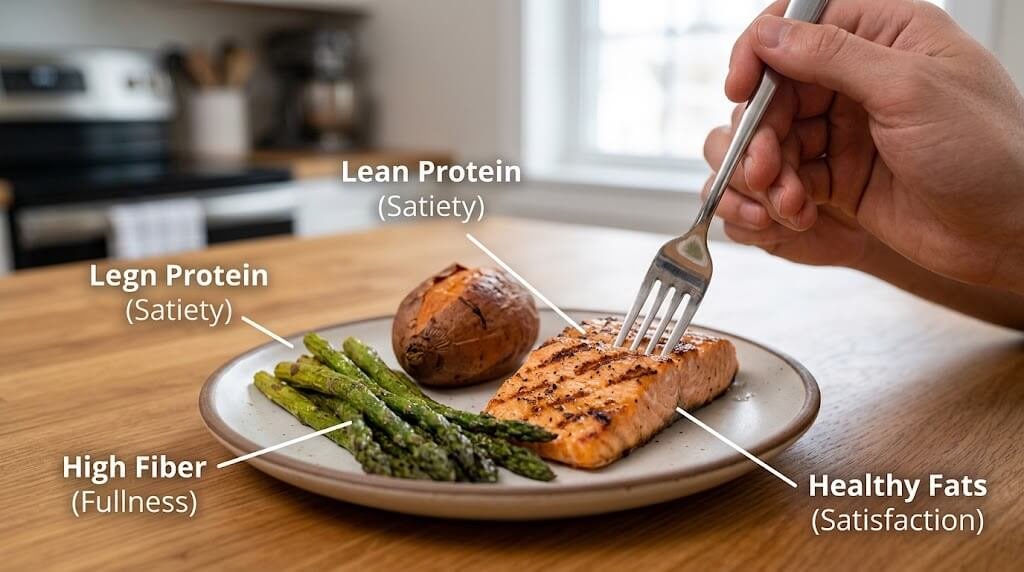
Simple Mindful Eating Exercise
Try this: For one meal today, dedicate 15-20 minutes to eating without any distractions. No phone, no TV, no reading. Put your fork down between each bite. Focus on the taste, texture, and temperature of the food. Notice how your body feels as you eat. You might be surprised at how much sooner you feel satisfied and how much more you actually enjoy your food.

Strategy 6: Choose Whole, Nutrient-Dense Foods Over Ultra-Processed Options
The type of food you choose plays a massive role in how to control appetite naturally for weight management.
The Problem with Ultra-Processed Foods
- Low Satiety: These foods (think chips, sugary cereals, fast food, sodas) are often high in refined carbs, sugar, and unhealthy fats but low in protein and fiber. They provide quick energy but very little lasting fullness.
- “Hyper-palatable”: Processed foods are carefully engineered to be incredibly tasty, often combining specific ratios of salt, sugar, and fat that make them almost “addictive.” This can override your natural fullness signals and drive you to eat more than you need.
- Blood Sugar Rollercoaster: Refined carbohydrates cause rapid spikes in blood sugar, followed by steep crashes. These crashes trigger hunger and cravings, perpetuating a cycle of overeating.
The Power of Whole Foods
- Naturally Satiating: Whole, minimally processed foods (vegetables, fruits, lean proteins, whole grains, nuts, seeds) are naturally rich in fiber, water, and protein – the trifecta of natural appetite control.
- Nutrient Density: They provide essential vitamins, minerals, and antioxidants your body needs for optimal function, including hormonal regulation. When your body gets the nutrients it needs, it’s less likely to send “hunger” signals born out of nutrient deficiency.
- Better Blood Sugar Control: The fiber and complex carbs in whole foods lead to a more gradual release of glucose, providing steady energy and preventing those hunger-inducing crashes. While supplements like berberine and chromium picolinate may offer support for blood sugar regulation and cravings, the foundation should always be a diet built on whole, nutrient-dense foods. Ingredients in some keto supplements may also impact metabolism and potentially appetite in specific contexts.
Practical Whole Food Swaps
| Instead of… | Try… | Why? |
| Sugary Cereal | Oatmeal with berries & Greek yogurt | More protein, more fiber, sustained energy |
| White Bread | Whole-wheat or sprouted grain bread | More fiber, slower digestion |
| Potato Chips | Air-popped popcorn or sliced veggies with hummus | More volume, less fat, more fiber/protein |
| Soda | Water, sparkling water, or unsweetened tea | No sugar/calories, hydrating |
| Candy Bar | A handful of almonds or an apple | Healthy fats/fiber/protein vs. pure sugar |
Strategy 7: Integrate Physical Activity Strategically
Can exercise help control appetite? The relationship is interesting and more complex than a simple ‘yes’ or ‘no’, but overall, it’s a powerful tool.
Exercise and Hunger Hormones
- Temporary Suppression: Research suggests that especially high-intensity exercise can acutely (temporarily) suppress appetite by lowering ghrelin and increasing satiety hormones like PYY and GLP-1 immediately after the workout.
- Long-Term Regulation: Consistent, regular exercise (both cardio and strength training) helps improve insulin sensitivity and overall hormonal balance, which can contribute to better appetite regulation over time. Weight management supplements and ingredients can be evaluated for their potential role alongside exercise.
Practical Tips for Exercise and Appetite Control
- Find What Works for You: Pay attention to how different types and intensities of exercise affect your hunger. Some people find that cardio makes them very hungry, while strength training has a more stabilizing effect (or vice versa).
- Don’t “Eat Back” All Your Calories: While fuel is important, don’t use exercise as a license to overeat. Focus on refueling appropriately with a mix of protein and carbs, but remain mindful of your overall calorie balance for weight management goals.
- Stay Hydrated During Workouts: Dehydration can masquerade as hunger after a workout. Drink plenty of water before, during, and after your training sessions.
Coach’s Tip: “Consider incorporating both structured strength training (building muscle supports metabolism and can help with fullness) and regular movement like walking into your routine. Consistent activity, rather than relying solely on intense workouts, seems most effective for long-term appetite regulation.”
Let’s Put It All Together: Your Natural Appetite Control Action Plan
Implementing all these strategies at once can be overwhelming. Let’s create a simple, progressive plan, just like we would for an exercise program.
Level 1: The Foundation (Weeks 1-2)
- Hydration: Drink 16oz (around 500ml) of water 30 minutes before your biggest meal of the day.
- Protein: Ensure you have a good source of lean protein with at least two of your main meals.
- Mindful Eating: Practice slow, distraction-free eating for one meal or snack each day.

Level 2: Building Momentum (Weeks 3-4)
- Protein Progression: Aim for protein at every main meal. Include a protein-rich snack if needed.
- Fiber: Swap out refined grains (white rice, white pasta) for whole-grain versions and double your vegetable portions at dinner.
- Sleep: Set a consistent bedtime and aim for at least 7 hours of quality sleep.
Level 3: Refinement (Week 5 and beyond)
- Mindfulness Mastery: Apply mindful eating principles to all meals and snacks as much as possible. Pay close attention to hunger/fullness cues.
- Stress Management: Identify one regular stress-reducing activity (walking, deep breathing, etc.) and commit to doing it for at least 15 minutes daily.
- Refine Food Choices: Actively reduce ultra-processed foods and prioritize whole, nutrient-dense options. Notice how this further impacts your energy and satiety.
Naturally Controlling Appetite: Progression and Regression
Just like with any exercise, consistency is more important than perfection. If you have a challenging day, simply get back on track at your next meal. Think of it in terms of difficulty:
- Regression (Easier Version): Focus on just one small habit at a time, like drinking water before one meal or ensuring protein at one meal. Master that before adding anything else. Don’t worry about fiber or mindfulness yet.
- Progression (Harder Version): Once you’ve established the foundational habits, you can add layers of detail. This might involve tracking your fiber intake specifically (e.g., aiming for 25-30g+ daily), using a detailed hunger scale, incorporating more advanced stress-management techniques like meditation, or fine-tuning your carbohydrate choices further (e.g., emphasizing low-glycemic carbs).
FAQs About Natural Appetite Control
Here are answers to common questions about how to control appetite naturally for weight management:
What foods naturally make you feel the fullest?
Foods that are high in protein and fiber are the clear winners for natural satiety. Think lean meats (chicken breast, turkey), eggs, Greek yogurt, fish, lentils, beans, whole grains like oats and quinoa, and plenty of non-starchy vegetables. Their combination of bulk, slower digestion, and hormone regulation keeps hunger at bay.
Does drinking water really help reduce appetite?
Yes, water can help in a few ways. Physically, drinking water fills your stomach, which can provide temporary signals of fullness to your brain. Also, we often confuse mild dehydration with hunger. Staying well-hydrated ensures you’re not eating when your body is actually signaling a need for fluid. Try drinking water first when you feel a craving.
How can I stop feeling hungry all the time without medication?
Focus consistently on the foundational strategies we’ve discussed. Prioritize protein at each meal, significantly increase your fiber intake, stay well-hydrated (including before meals), ensure you get 7-9 hours of quality sleep, manage daily stress, and practice mindful eating. These evidence-based lifestyle adjustments are powerful natural ways to regulate your hunger hormones and enhance satiety.
Can certain natural supplements help with appetite control?
Some research suggests certain supplements may offer support alongside diet and lifestyle, though the foundation is always key. Examples include green tea extract and potentially specific fibers like soluble fiber supplements or cocoa in certain dietary contexts. However, always consult with a doctor before starting any supplement.
How do I stop late-night snacking naturally?
Late-night snacking is often driven by habits, emotions (boredom, stress), or simple biology if you haven’t eaten enough earlier. Strategies that can help include ensuring adequate protein and fiber at dinner, managing stress throughout the day, having a protein-rich evening snack if you’re truly physically hungry, and brushing your teeth or drinking herbal tea shortly after dinner to signal that eating is finished for the night.
Conclusion
Mastering how to control appetite naturally for weight management isn’t a mystical process; it’s about making consistent, practical, evidence-based lifestyle choices. By prioritizing satiating foods (protein and fiber), staying hydrated, respecting your body’s need for sleep and stress management, and bringing mindfulness to your meals, you can build a sustainable approach to appetite control that works with your body, not against it.
Think long-term, be patient with yourself, and focus on building these healthy habits one step at a time. This progressive approach, much like consistent training, will yield lasting results and empower you to manage your weight in a truly healthy and natural way. You’ve got this, coach. Now, let’s get to work!